The Transatlantic Alliance: A Fractured Partnership
The transatlantic alliance, once a cornerstone of global stability, is now facing an unprecedented crisis. Many had hoped that the relationship between the United States and Europe could withstand another term of Donald Trump, but after more than a year and a half in power, those hopes have largely faded.
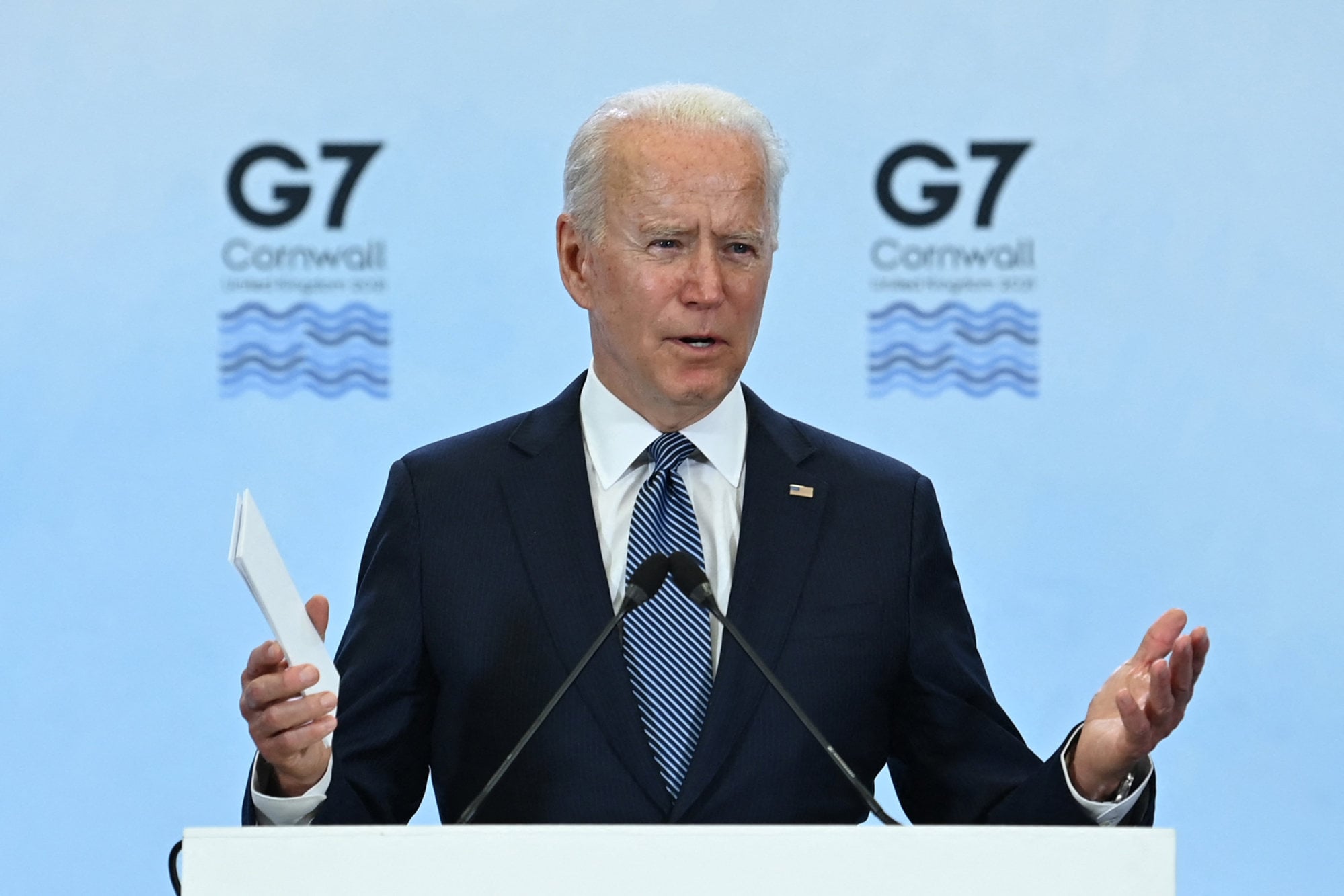
In June 2021, former U.S. President Joe Biden delivered a speech from a podium in the Cornish countryside, declaring that “America is back at the table.” This statement was meant to reassure Europe after the turbulent years under Trump’s leadership, which had left the transatlantic relationship in disarray. Following Russia’s invasion of Ukraine eight months later, the G7 became a key forum for coordinating sanctions against Russia and strengthening Western cooperation on China policy. The European Union, grateful to be rid of Trump, began to adopt a more assertive stance toward Beijing, aligning with Biden’s broader strategy of containing Chinese influence.
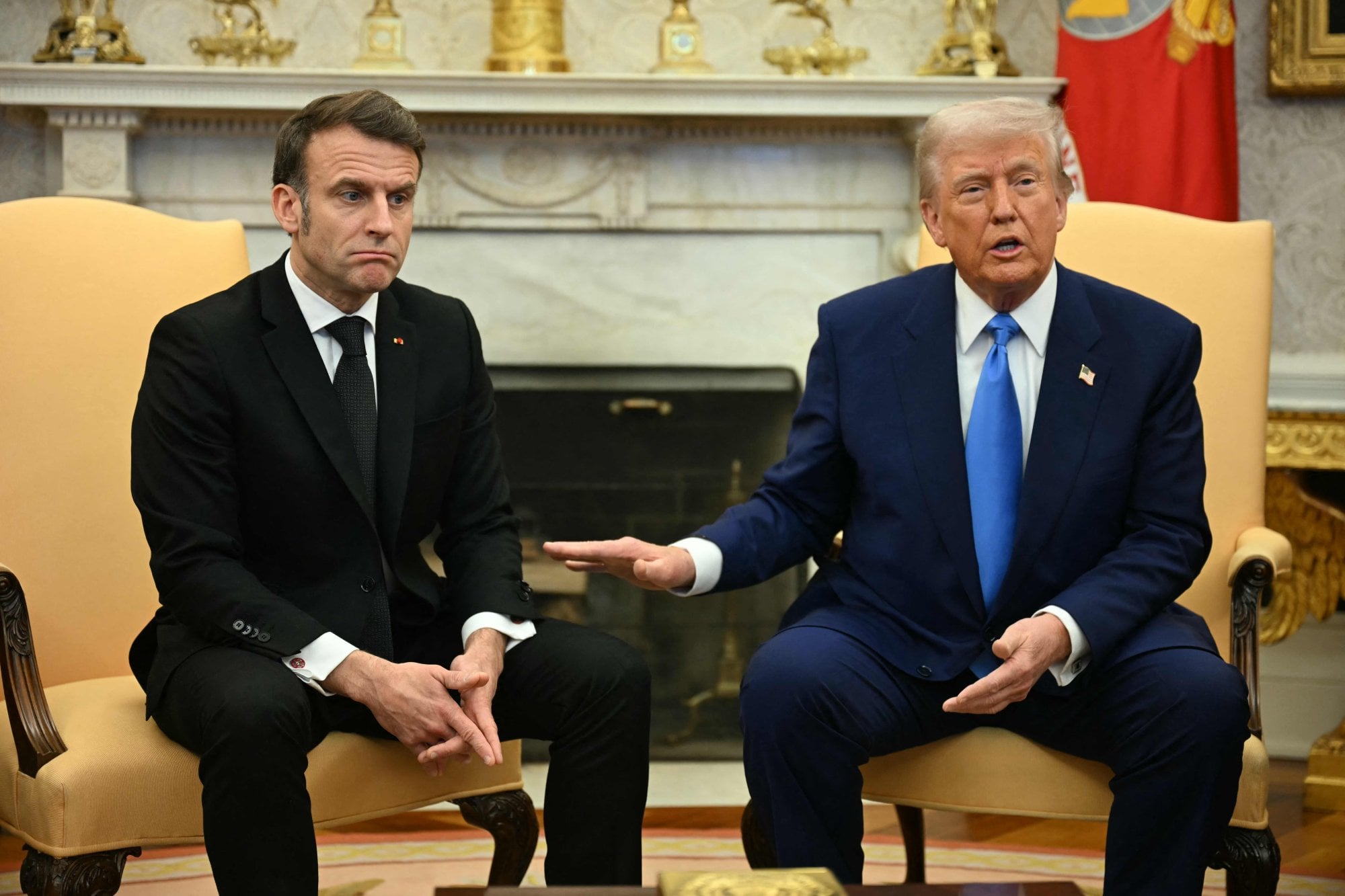
Two years prior, French President Emmanuel Macron had famously declared NATO “brain dead” due to Trump’s criticisms of European allies and his decision to withdraw U.S. troops from Syria without consultation. However, with Biden’s return to the White House and the renewed threat posed by Russian aggression, NATO experienced a revival, once again becoming a central pillar of Western foreign policy.
At the time, many believed that the transatlantic alliance could endure another Trump administration. However, as the year progressed, it became clear that the relationship had deteriorated significantly. Diplomats and analysts now acknowledge that a rupture has occurred, though there is still debate over its depth and permanence.
“The rupture is real,” one Western European diplomat said. “We just do not know how far it goes.”
A Rapid Decline in Relations
The speed at which the U.S.-Europe relationship has unraveled has been both swift and complex. It spans political, military, and societal dimensions, affecting all levels of governance and public sentiment.
One of the most controversial developments was the EU’s negotiation of a trade deal with the U.S. that saw it accept a baseline 15% tariff on all exports in exchange for removing import duties on many American goods. These concessions were partly aimed at keeping Trump engaged in European security, retaining U.S. troops on the continent, and ensuring Washington’s funding for Ukraine. The deal was widely criticized in Europe as a “season of surrender,” and by 2026, the U.S. leader had taken his anti-Europe stance to new heights.
Recent events have further strained the relationship. The U.S. abduction of Venezuelan leader Nicolas Maduro was largely ignored in Europe, but the U.S. and Israeli bombardment of Iran created fresh tensions within the transatlantic alliance. Many believe this rift will never fully heal.
Trump has also targeted European leaders, including Spain’s socialist Prime Minister Pedro Sánchez and Italy’s hard-right leader Giorgia Meloni, for refusing to allow European bases to be used in the bombing campaign. Europe’s refusal to send ships to reopen the Strait of Hormuz has led Trump to once again threaten to leave NATO—a threat that is now being taken seriously in Brussels and beyond.
A Growing Distrust
On a practical level, EU diplomats and officials traveling to the U.S. are now advised to bring burner phones, while former Biden-era official Amanda Sloat noted that EU officials would only meet her in pairs during her recent trip to Brussels. Such practices, she wrote, were previously reserved for adversaries like Russia and China, not allies.
The political collapse has been matched by a significant drop in goodwill towards the U.S. in Europe. In several member states, apps encouraging boycotts of American goods have surged in popularity, reflecting a deepening distrust of Washington. This sentiment has reached levels not seen since the Iraq War two decades ago.
“We are talking about an unhappy and at times abusive relationship in which the U.S. and Europe stay together because a full-blown separation is too costly. But the love is gone,” said Noah Barkin, a Berlin-based analyst at Rhodium Group.
Efforts to De-Risk and Rebuild
Despite the challenges, efforts to maintain some level of engagement with the U.S. continue. However, these efforts are now accompanied by a growing sense of fatigue and a desire to de-risk from Washington.
The EU, desperate to reduce its reliance on China’s rare earth minerals, sees collaboration with Trump as a potential area of cooperation. However, trust remains low, and many are skeptical about whether the U.S. will share resources even if a deal is struck.
In Brussels, determination to keep channels open with Washington is tempered by a growing sense of caution. Public statements of support for the transatlantic relationship are often contrasted with private efforts to reduce dependence on the U.S.
NATO Secretary General Mark Rutte has faced criticism for his sycophantic approach to Trump, but behind the scenes, the alliance is preparing for a future without American leadership. Analysts argue that the U.S. strategic interests have shifted away from Europe, and that the alliance must now take a more independent path.
The Path Forward
European leaders are now pushing for a more autonomous defense structure within NATO, capable of operating independently if necessary. This shift reflects a broader recognition that the transatlantic relationship can no longer be taken for granted.
While the post-war alliance endures for now, it is no longer seen as a given. As one lawmaker put it, “Europe cannot avoid talking to the U.S., but it should not be afraid to counterpunch when necessary.”
For the EU, the challenge is clear: to navigate a complex and uncertain relationship with the U.S. while building a more self-reliant and resilient transatlantic partnership.