There are certain behaviours on public transport that simply shouldn’t be tolerated. From the barebeaters who blast their music without headphones, to the double baggers who believe their bags require a seat of their own, and the airport carousel grinders who position themselves as close as possible to the luggage conveyor belt, there are plenty of annoying habits to avoid. Now, there’s one more to add to the list: seat squatters.
Seat squatting is a growing issue on flights, where someone takes a seat that isn’t assigned to them — and that they haven’t paid for — often in an attempt to sit next to a friend or family member. While it may seem like a minor inconvenience, it can quickly escalate into awkward situations. For the person who has been displaced, it can be frustrating, and for the seat squatter, it could even result in being removed from the flight if they refuse to comply.
Best of Deals
Get exclusive discounts with Deals – save on getaways and spa days. Powered by Wowcher
- Bannatyne Spa: Spa day for two with treatments, lunch & prosecco — save up to 57% off.
- Mystery Escape: Hotel stay with return flights from as low as £92pp — save on worldwide holiday packages.
- Beach Retreat (Lanzarote): 4* Lanzarote beach holiday with flights — save up to 58%.
The term “seat squatting” was first used by Facebook user Lin Nea after she was forced to stand back while a seat squatter tried to claim her designated seat, 25A, in order to sit next to her husband. She described the moment when the seat squatter felt the “weight of silent shame” as they shuffled back to their original seat. While some people see seat squatters as selfish and rude, others argue that it’s harmless. Some even say getting upset over seat squatters is petty, with one TikTok user admitting they regularly risk sitting in someone else’s seat when flying.
Is there an official policy against seat squatting?
If someone refuses to move out of your seat, you should alert the cabin crew. Most airlines’ terms and conditions state that passengers have the right to their designated seat, and if someone refuses to vacate it, the crew can remove them from the flight. In 2019, a man was forcibly removed from an American Airlines flight for refusing to leave a stolen seat. He became aggressive when the flight attendants tried to move him back to his original seat. In most cases, it’s the escalation — not the seat dispute itself — that leads to a passenger being removed.
Many users have shared their experiences with seat squatters online. One user, @Ultionm, wrote: “I had a guy try and ignore me when I told him he was sitting in my seat. Probably hoped I was too timid to repeat myself more than once. Nope. I wanted my window seat.” Another user, @kp, shared: “I was once on an international flight and one of the last to board. Some girl deliberately sat in my seat (a solo row) that I paid extra for and wouldn’t move. Attendants had to move her and check our tickets.”
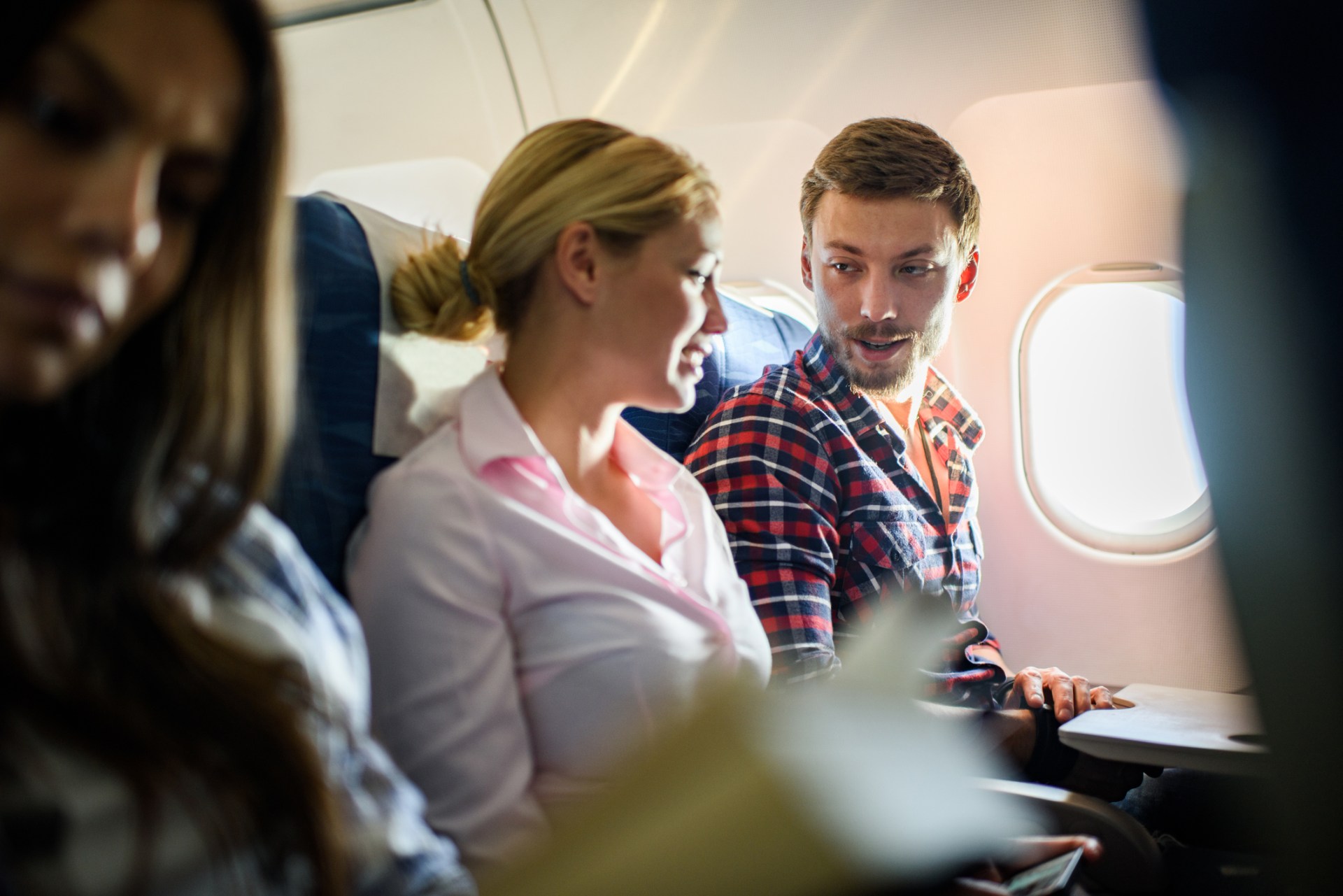
Even once you are finally seated, you’re not safe from seat squatters. Some travellers might approach you before takeoff and ask if you’re willing to switch seats — often in an attempt to sit with a family member, friend, or partner. Most airlines allow seat swaps, but only with cabin crew approval and after boarding is complete. While voluntary swaps are common, you are under no obligation to accommodate others, including families with young children who want to sit together.
Why switching seats can be a safety hazard
Switching seats on a plane, especially before takeoff, can actually be dangerous. Former commercial pilot Pete Hutchison told The Independent that passengers shifting from one part of the airplane to another could make the aircraft behave unpredictably during takeoff and landing. “To start moving seats, especially in significant numbers, to unplanned areas, could significantly impact the aircraft’s balance,” he said. The pilot added that the effect of passengers being on board, as well as where they are seated, is an intrinsic part of the balance calculation. Switching seats could also complicate emergency evacuations, as crews rely on an assigned seating chart. This is why all seat switches need to be approved by staff onboard.
Is seat squatting bad etiquette?
Etiquette expert Laura Windsor has strong opinions on seat squatting. She says questions like “can I sit here” or “is it okay if we switch seats” should be redundant. If people want to sit together, they should have booked accordingly. “Someone’s holiday shouldn’t be ruined because certain people don’t have manners,” she said. If you find yourself confronted with a seat squatter, Laura recommends not engaging with them — instead, go straight to a member of cabin crew.
POLL
Have you ever asked to swap seats with someone on a flight?
- Yes – I don’t get the big deal
- No – I think it’s rude
She continues: “People shouldn’t feel as though they can do whatever they want. Also, people shouldn’t really have mixed opinions about this. It’s incredibly clear. You should never be inconveniencing other passengers because you want to sit where you want. People should have some manners.”
That being said, while seat squatting shouldn’t be encouraged, there’s an argument that if both parties are happy to swap, there’s no real harm in it, especially if it’s a like-for-like swap. Some people online who are open to swapping seats seem to share one main condition. As one user, @Bre, put it: “Honestly, if the seat was comparable, it really doesn’t matter to me.”
Major airlines are cracking down on barebeaters
Coined by the airline industry, the term “barebeaters” refers to individuals who choose to listen to their music out loud, without headphones. It’s become one of the most infuriating travel habits plaguing public transport. Recently, United Airlines updated its “contract of carriage,” officially adding a clause meaning passengers who “fail to use headphones while listening to audio or video content” can be asked to leave the cabin. Releasing a statement, United Airlines (UA) said: “UA has the right to refuse transport, on a permanent basis, any passenger who engages in any of the activities in this rule.”
While it might seem extreme to some, the American airline isn’t the first to implement such a ban. In February, the Indian government reminded travellers to use headphones during flights in order to avoid facing legal repercussions. Specifically, officials emphasised that anyone playing music out loud on an aircraft may be subject to penal action, including fines, for this type of “unruly behaviour.”
Do you have a story to share? Get in touch by emailing [email protected]. Comment now. Add as a Preferred Source on Google. Add as preferred source. Your exclusive seven-day guide to travelling with confidence.