The Changing Landscape of Oral Health in Australia
Oral health is more than just a reflection of our physical well-being—it is a fundamental component of overall health. In recent years, the priorities surrounding oral health have begun to shift, with a growing emphasis on prevention rather than crisis care. This change is essential as new generational trends emerge and the challenges of maintaining good oral hygiene become more complex.
Our mouths are not just about smiling; they reflect our habits, stress levels, and general lifestyle. In Australia, the state of oral health is evolving, influenced by changing behaviors and circumstances. Younger generations face unique risks, such as increased consumption of energy drinks and constant snacking, which can lead to repeated acid exposure. Meanwhile, parents struggle to maintain consistent routines, and older Australians manage chronic conditions that are often linked to oral disease.
The Financial Barrier to Preventive Care
Cost has become one of the most significant barriers to maintaining good oral health. In 2022–23, 18 per cent of Australians reported delaying or skipping dental visits due to financial constraints. Preventive care is often neglected in favor of emergency treatment, which leads to more severe issues down the line. This crisis-care model is deeply ingrained and difficult to change.
The financial divide has widened over time. Families facing rising living costs are more likely to defer check-ups or hygiene visits. At the same time, those with disposable income are investing in aesthetic dentistry, such as clear aligners, veneers, and whitening treatments. This creates a stark contrast between those who can access comprehensive care and those who only seek treatment when in pain.
Generation Gaps and Systemic Consequences
As Australians age, the consequences of poor oral health become more systemic. Gum disease affects over half of those aged 55 to 74 and nearly 70 per cent of people over 75. Bacteria from the gums can enter the bloodstream, contributing to the narrowing of blood vessels and increasing the risk of heart attacks. People with gum disease are twice as likely to develop heart disease.
For individuals with diabetes, treating gum disease can help improve blood sugar control, leading to better overall outcomes. However, many older Australians take multiple medications daily, and a common side effect is dry mouth, which reduces saliva’s protective function and accelerates tooth decay and gum problems. This creates a cycle where oral health directly impacts nutrition and systemic health, yet is often deprioritized in aged care settings.
Modern Risks: Gen Z and Social Media
Younger generations, particularly Gen Z and millennials, are navigating a unique set of risks. Daily habits such as consuming energy drinks and constant grazing—whether sipping kombucha, coffee, or snacking while working from home—keep the mouth in a state of repeated acid exposure.
At the same time, social media platforms promote unsafe “dental hacks,” such as filing teeth with nail files or using lemon juice or charcoal powders for whitening. While these methods may offer short-term cosmetic benefits, they can cause irreversible enamel loss and sensitivity. This trend reflects a generational shift where appearance is prioritized over long-term health.
The Parent Trap
Research shows that one in four children regularly skip brushing, often due to “everyday chaos.” Data indicates that 32 per cent of children brush only once a day, and more than 75 per cent rarely floss. By the age of ten, 42 per cent of Australian children have experienced decay in their baby teeth. These early patterns tend to follow people throughout life, highlighting the importance of establishing good habits from a young age.
Best Oral Health Practices
So, what do best practices look like? For children aged 18 months to 5 years, use a small, pea-sized amount of low-fluoride toothpaste under adult supervision. From age 6, brush twice a day with fluoride toothpaste and teach children to spit but not rinse.
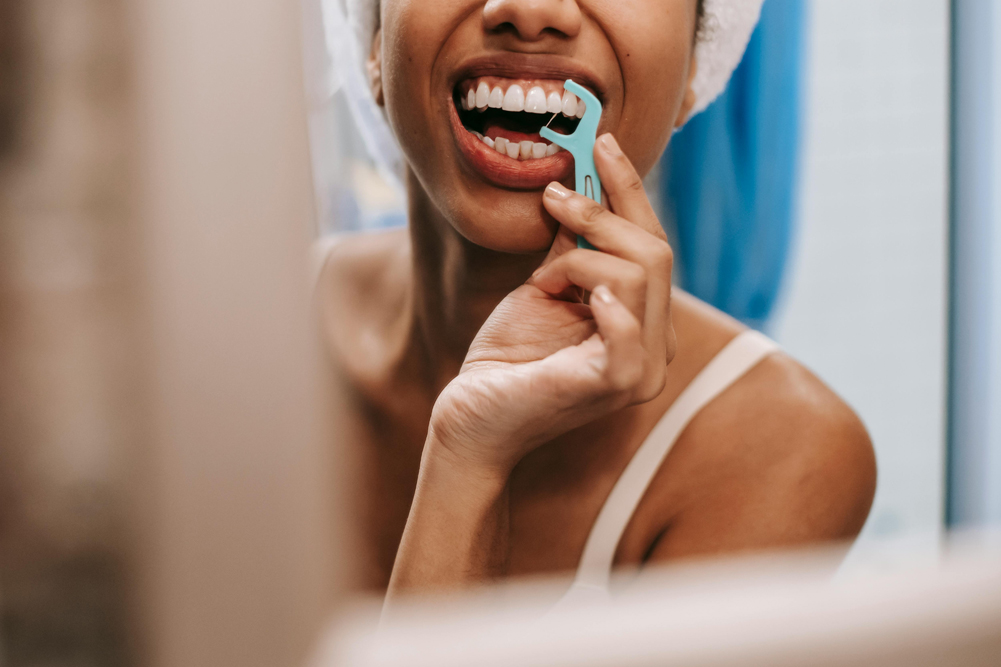
Interdental cleaning is also crucial. Daily use of floss or interdental brushes helps reduce gum inflammation and supports overall hygiene. For adults, it is important to take bleeding gums seriously as an early warning sign of disease.
The Role of Technology and Mental Health
Technology offers hope for building better oral health habits. Smart toothbrushes with timers and apps can make oral care fun for children and provide real-time feedback for adults. Another under-acknowledged area is mental health. Stress and anxiety can contribute to teeth grinding and jaw pain, while depression can make daily routines feel overwhelming. This highlights how closely oral health is connected to broader well-being.
A Holistic Future
Your smile is a gateway to your overall health. Whether it’s a daily brush or booking a twice-yearly check-up, small, consistent steps can protect your oral health for years to come. If we can shift our culture away from crisis care and towards prevention, oral health can become a foundation for health across every generation.