The Rise of AI and Celebrities’ Response
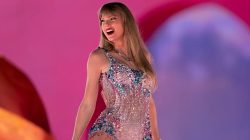
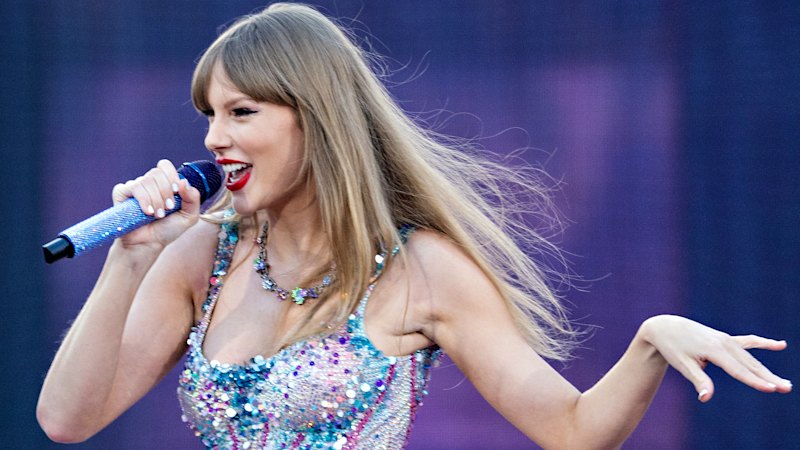
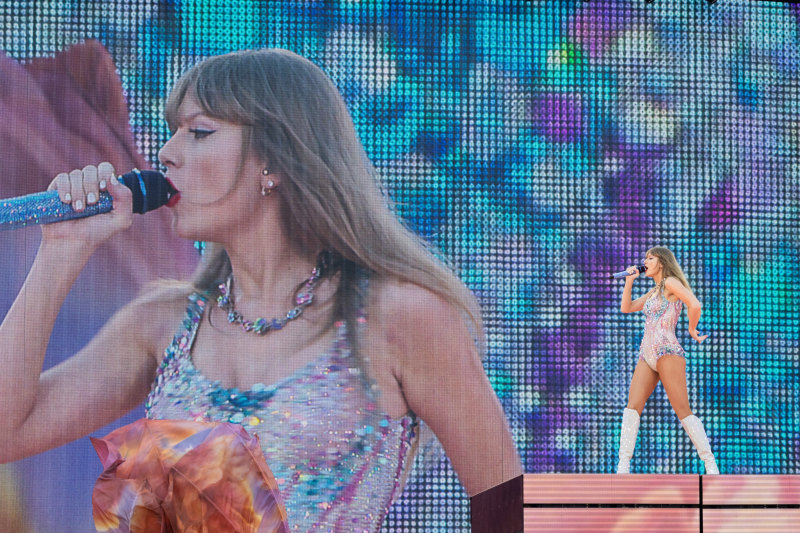
With artificial intelligence becoming a permanent fixture in our lives, celebrities are beginning to take action to protect their identities. One prominent figure, Taylor Swift, has recently filed three trademark applications, aiming to safeguard her voice and likeness from unauthorized replication. These applications, submitted to the US Patent and Trademark Office, include distinct “sound marks” such as the singer saying “Hey, it’s Taylor Swift” and “Hey, it’s Taylor.” Additionally, one image trademark covers an iconic look of the artist holding a pink guitar while on stage in a multicolored bodysuit and silver boots.
A Trend Among Hollywood Stars
Taylor Swift is not alone in this endeavor. In 2025, Hollywood actor Matthew McConaughey secured eight trademarks, including an audio clip of his famous line from the 1993 film Dazed and Confused. This trend highlights the growing concern among celebrities about the potential misuse of their likenesses and voices through AI technology.
While existing copyright laws offer some protection for creative works, the emergence of AI complicates matters. AI can now generate new creations based on an artist’s voice or image, raising questions about ownership and consent. In the United States, individuals have “right of publicity” laws that protect their image or likeness in certain states. However, the application of these laws in the context of AI remains untested.
Legal Implications and New Theories
Intellectual property attorney Josh Gerben highlighted that Taylor Swift and Matthew McConaughey’s recent filings are exploring new legal theories regarding trademark law in the AI era. Gerben noted that Swift’s trademark could potentially allow her to claim that any use of her voice or image that resembles the registered trademarks violates her rights. This does not require identical reproductions; if the creation is “confusingly similar,” she could have a case.
Dr. Kathy Bowrey, a professor at UNSW, described this as “a shot across the bow.” She explained that Swift is asserting her right to a share of any benefits derived from AI-generated content and attempting to control its use, particularly those she finds uncomfortable.
Limitations and Global Considerations
Such trademarks are limited to the jurisdictions where they are granted. For example, without Australian trademark registrations, these protections would not apply in Australia. Bowrey noted that celebrity rights legislation exists in some regions but is less effective in Australia, where competition laws may address deceptive practices but do not create ownership rights over images or likenesses.
For now, these trademarks may provide U.S. artists with additional protections against non-consensual AI creations that mimic their personas. It is unsurprising that someone like Taylor Swift would seek such measures, given the numerous instances of unauthorized AI use involving her.
Real-World Examples and Challenges
Last year, Meta faced backlash after its unauthorized AI chatbots, including one mimicking Taylor Swift, made sexual advances, leading to their removal. Swift has also been the subject of pornographic deepfakes, and even former President Donald Trump shared an AI-generated image of her during the 2024 election campaign that falsely suggested her endorsement.
This issue is increasingly challenging for celebrities who rely on their unique personas for income. The entertainment industry’s unregulated use of AI was a significant point of contention during the 2023 Hollywood strikes. Although studios reached a deal to implement AI guardrails, the debate continues.
British television presenter Jeremy Clarkson recently applied to trademark his face after his image was used without consent in advertisements. Meanwhile, Scarlett Johansson hired lawyers in 2024 after discovering her voice was eerily similar to an OpenAI chatbot.
The Future of AI and Celebrity Protections
It remains to be seen whether Taylor Swift’s filings will achieve their intended purpose. According to Gerben, a Federal Court will need a case to test the legal theories behind these filings. However, he believes the legal theories are strong.
As AI continues to evolve, the need for clear legal frameworks around the use of celebrity likenesses and voices becomes more pressing. The actions of Swift and other celebrities signal a growing awareness of the challenges posed by AI and a determination to protect their identities in this new digital landscape.