A Historic Home Faces Demolition for a Sustainable Future
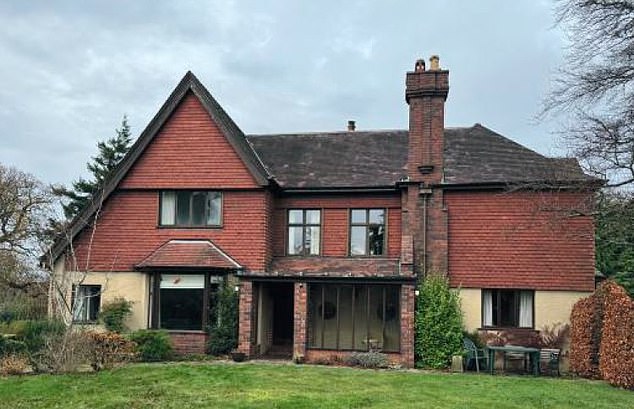
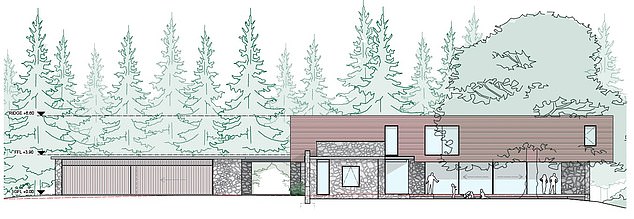
A couple from Linlithgow, West Lothian, have successfully fought to replace their £920,000 home with a new £4 million mansion. Rory and Kate Hunter purchased Jocks Hill House with the intention of demolishing it and building a more energy-efficient property. Their goal was to align with the government’s green agenda, which emphasizes reducing carbon emissions from domestic energy consumption.
The Hunters claimed that the existing house had lost much of its original fabric due to poor-quality upgrades and extensions. They argued that retrofitting the property would be both costly and impractical. According to figures calculated on their behalf, it would cost £4.8 million to retrofit the current home, while a new build would only cost £4.1 million.
The Appeal Process
The couple initially sought approval from West Lothian Council to demolish the house and construct a new one. However, officials rejected the proposal, citing concerns about the impact on the town’s Linlithgow Palace and High Street conservation area. The council stated that the original building was of “architectural and historic interest” and that its demolition would not preserve or enhance the character of the area.
Determined to proceed, the Hunters appealed to the Scottish Government. Their appeal document highlighted their desire to create an energy-efficient home that would meet modern sustainability standards. It noted that the existing property had already undergone significant changes, making it unsuitable for retrofitting.
The document also emphasized that the proposed replacement would be a sustainable and context-sensitive solution. It aimed to safeguard heritage, landscape, and environmental value while setting a benchmark for a high-quality, low-carbon family home.
Government Approval and Conditions
After reviewing the case, the Scottish Government granted approval for the demolition, subject to certain conditions. Government reporter Jane Smith stated that she was satisfied the proposed demolition would preserve or enhance the character and appearance of the conservation area.
This decision overturned the council’s previous stance, which had been concerned about the impact of the demolition on the local heritage. The Hunters will now be required to follow specific conditions during the construction process. These include restrictions on when work can take place and the submission of detailed plans on how they will minimize noise, dust, and vibrations.
The couple has three years to complete the project, ensuring that the new home meets all necessary regulations and standards.
Balancing Heritage and Modernity
The case highlights the ongoing debate between preserving historical buildings and adapting them to meet modern needs. While the council was focused on protecting the architectural heritage of Jocks Hill House, the Hunters argued that the property was no longer viable as a sustainable home.
Their successful appeal demonstrates that there is room for innovation within conservation areas, provided that the new development respects the surrounding environment and heritage. The Hunters’ project could serve as a model for future developments in similar locations.
As the construction of the new mansion begins, it will be interesting to see how it integrates with the local landscape and contributes to the broader conversation about sustainable living. The outcome of this case may influence future decisions regarding the balance between preservation and progress in historic towns.