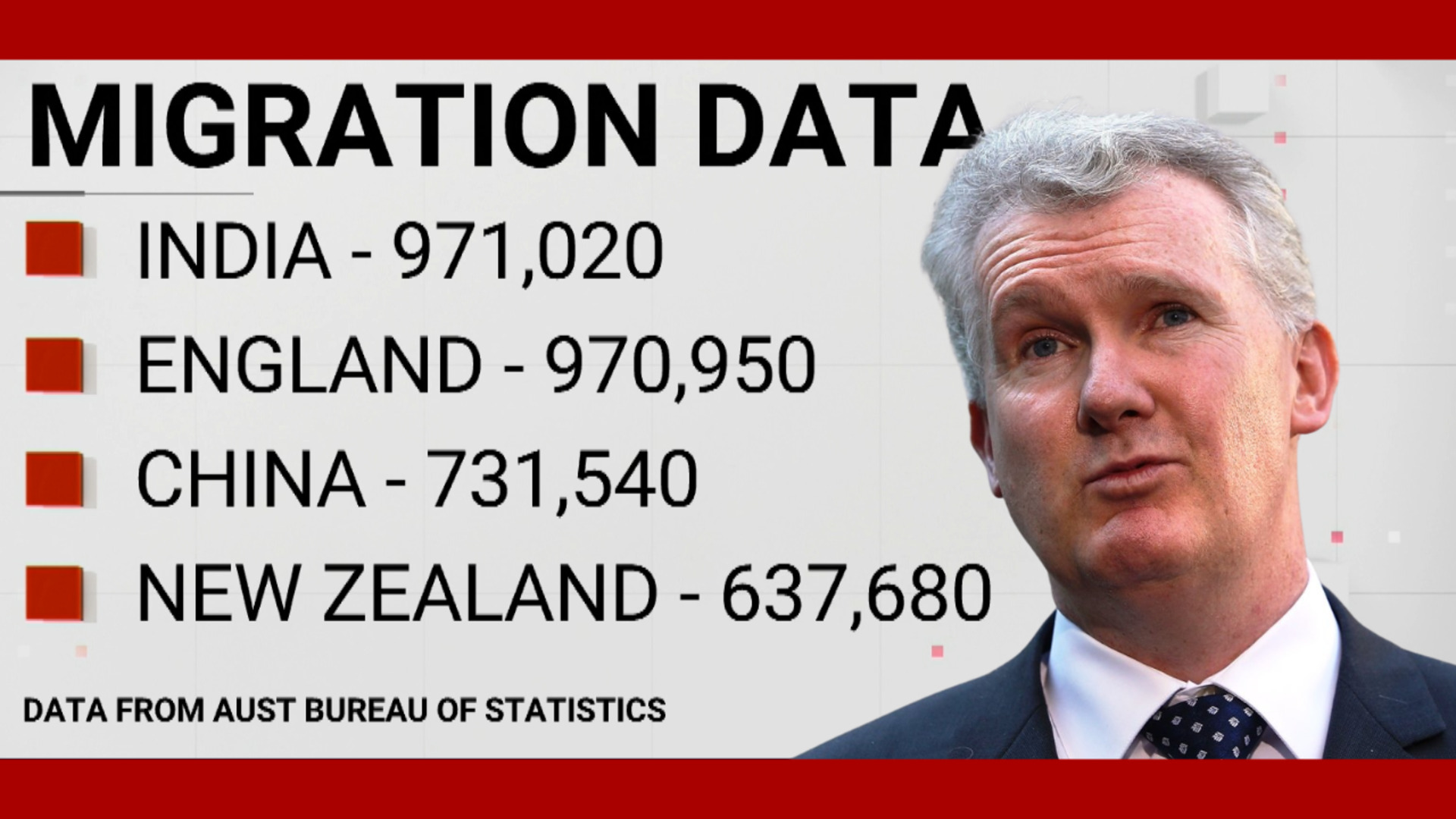
New data from the Bureau of Statistics highlights a significant shift in Australia’s demographic landscape. According to the latest figures, 32 per cent of Australians were born overseas. This represents an increase from 24 per cent two decades ago, indicating a growing trend of international migration shaping the nation’s population.
The statistics show that the country’s migrant origins have evolved over time, with some traditional sources of immigration being surpassed by newer ones. One notable change is the rise of India as the largest source of overseas-born migrants in Australia. This marks a significant shift, as India has now overtaken England, which was previously the leading country for immigrants.
In addition to India, other countries continue to play a key role in Australia’s immigration profile. China, New Zealand, and the Philippines are among the top five countries contributing to the overseas-born population. These nations reflect the diverse cultural and geographic influences that continue to shape Australian society.
Key Trends in Migration
- Growth in Overseas-Born Population: The percentage of Australians born overseas has risen steadily over the past 20 years, reflecting broader global migration patterns and Australia’s ongoing efforts to attract skilled workers and international students.
- Shift in Migration Sources: While England once dominated as a source of migrants, the data now shows a clear shift towards countries like India, highlighting changes in global migration flows and Australia’s evolving immigration policies.
- Diverse Origins: The top five countries of origin for overseas-born Australians demonstrate the country’s increasing diversity, with contributions coming from Asia, the Pacific, and other regions around the world.
Implications of the Data
This change in migration patterns has several implications for Australia. It may influence public policy, social services, and community development, as well as impact economic growth and cultural integration. With a more diverse population, there is also a need for continued investment in multicultural initiatives and support systems to ensure all Australians feel included and valued.
Moreover, the data underscores the importance of maintaining open and inclusive immigration policies that reflect the needs of both the economy and society. As Australia continues to welcome people from around the world, it is essential to address the challenges and opportunities that come with such a dynamic population.
Future Outlook
Looking ahead, the trend of increasing overseas-born residents is likely to continue. Factors such as global economic conditions, political stability, and Australia’s reputation as a desirable destination for education and employment will all play a role in shaping future migration patterns.
As the country adapts to these changes, it is crucial to foster a sense of unity and shared purpose among all Australians, regardless of their background. By embracing diversity and promoting inclusion, Australia can continue to thrive as a multicultural nation.