Concerns Over the Fate of the National Science Board
There is growing concern among scientists and lawmakers about the recent decision to fire all 22 members of the National Science Board (NSB). This board plays a crucial role in guiding the National Science Foundation (NSF) and advising the president and Congress on scientific matters. The move has sparked alarm, with critics accusing the administration of undermining science and innovation.
Democratic Rep. Zoe Lofgren of California called the decision a “real bozo the clown move” in a statement. She criticized the administration for what she described as a continued effort to harm science and American innovation. According to Lofgren, the NSB is an apolitical body that provides guidance on the future of the NSF. She expressed concern that the president might replace the board with individuals who would not challenge his policies, potentially leading to a loss of leadership in science to other nations.
Gretchen Goldman, president and CEO of the Union of Concerned Scientists, also voiced her concerns in a blog post. She argued that the move was an attempt to silence independent scientists and prevent evidence-based decision-making. The White House has not yet responded to requests for comment from The Independent.
Impact on the National Science Foundation
The National Science Foundation (NSF) is responsible for managing a budget of over $9 billion. The NSB helps set long-term priorities for the agency, which has been instrumental in the development of major technologies such as GPS and the internet. Keivan Stassun, a professor at Vanderbilt University who was among those fired, warned that the administration could now enact its own budget and priorities without regard for congressional directives or laws.
Stassun emphasized that the most transformative discoveries often come from basic research, which cannot be predicted in advance. He warned that the current actions could lead to a collapse in the investment in American science and technology capabilities.
A Pattern of Uncertainty
The reported firings are part of a broader pattern of uncertainty and upheaval at the NSF. In April, the director of the NSF, Sethuraman Panchanathan, resigned. Personnel from the Trump administration’s DOGE cost-cutting program were reportedly involved in canceling numerous grants.
In the following month, Alondra Nelson, a board member, resigned, citing the DOGE takeover. She alleged that the program had the authority to approve or reject grant applications without proper review by subject matter experts.
Last year, the White House proposed a 55 percent cut to the NSF budget, which was rejected by Congress. The administration has again requested similar cuts as part of the fiscal year 2027 budget.
Leadership Changes and Controversies
In March, the administration nominated Jim O’Neill, a former deputy secretary of the U.S. Department of Health and Human Services and a biotech investor, to lead the NSF. O’Neill, who has yet to go through a hearing before Congress, would be the first NSF chief without a formal scientific or engineering background.
This move has raised concerns about the direction of the agency and its ability to maintain its focus on scientific research and innovation.
Historical Context and Scientific Denial
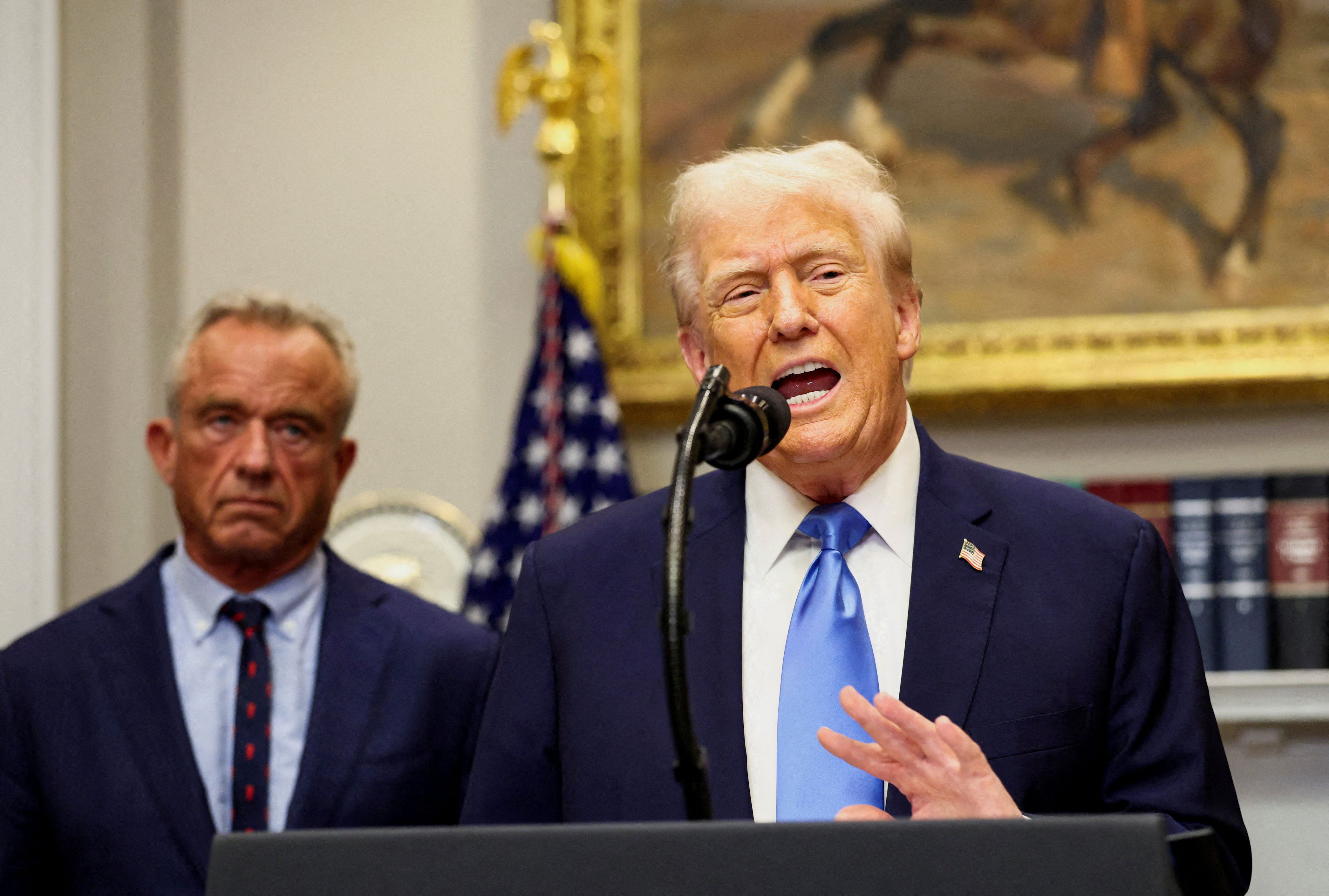
The Trump administration has a history of undermining scientific consensus. The president has repeatedly denied well-established science, including the climate crisis, which he once called “the greatest con job ever perpetrated on the world” at the United Nations General Assembly.
However, the administration has shown support for the technology industry, championing artificial intelligence and cryptocurrency. It has pushed for the rapid development of AI data centers across the U.S. Members of the tech industry have also contributed millions to the president’s campaign and other initiatives.
Recent Actions Against Scientific Advisory Boards
The administration has taken steps to remove members of influential advisory boards. Last summer, all members of an influential CDC vaccine advisory board were removed, some of whom were replaced by vaccine skeptics. Similarly, members of an autism advisory board were replaced by individuals who had previously made debunked claims linking vaccines to autism.
These actions have raised concerns about the integrity of scientific advice and the potential influence of political agendas on public health decisions.
The Role of Independent Readers
Independent readers are known for their critical thinking and commitment to factual information. They are not defined by traditional demographics but by their attitudes and values. In a world where information is often fragmented, these readers seek out news that is reliable, unbiased, and delivered with honesty.
Armed with accurate information and inspiration, they are empowered to take a stand on issues they care about. Their trust in non-biased news brands is essential in today’s complex media landscape.