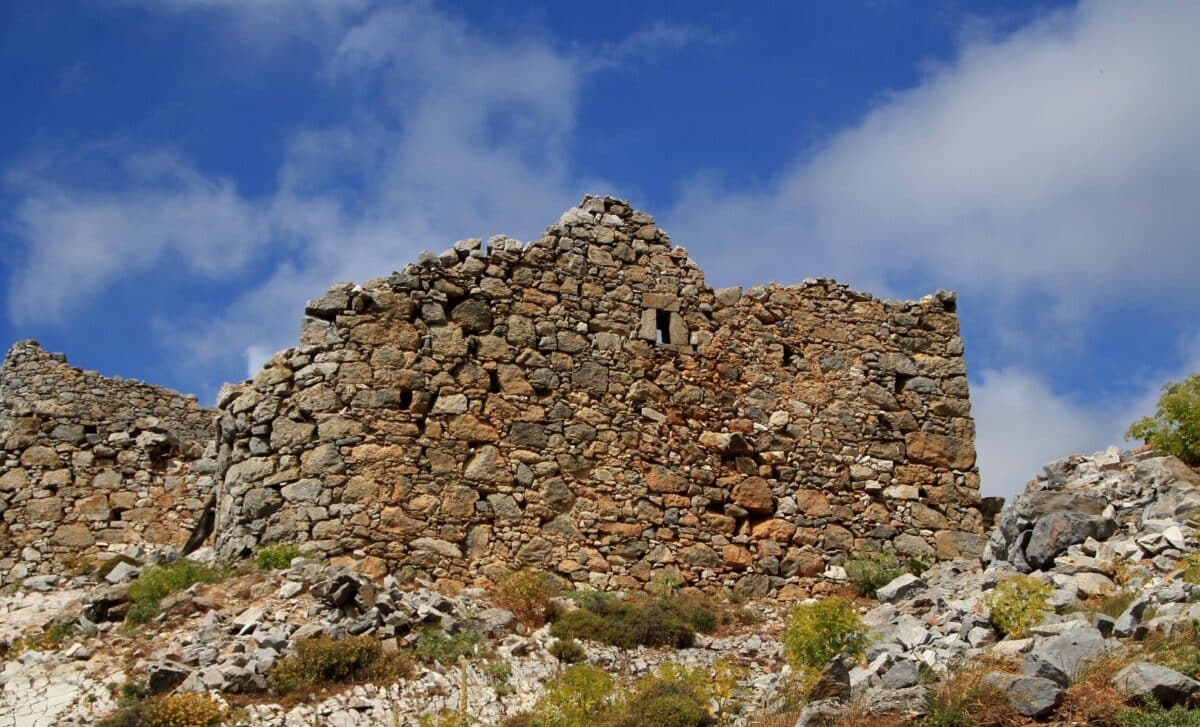
A quiet hill in central Bosnia has become the focus of a major archaeological discovery, revealing a mysterious stone wall that led researchers to a hidden hoard of metal objects and an ancient ritual site buried beneath it. The findings offer a rare glimpse into practices that date back more than 3,000 years.
The site, known as Begića Glavica near Travnik, first gained attention when metal detectorists found small items such as buttons and belt fittings from the 6th century B.C.E. This initial discovery prompted a full-scale excavation, which quickly uncovered deeper layers linked to the Late Bronze Age. What emerged was not just a simple settlement but a complex site with unusual features that challenge traditional understandings of ancient life in the region.
An Unusual Wall With No Defensive Purpose
The most striking feature of the site is a 207-foot-long L-shaped limestone wall. The stones used in its construction were transported from about a mile away, indicating significant effort and planning. However, the wall itself is only about 10 feet high, which makes it ineffective as a defensive structure. Instead, it appears to divide the plateau into two distinct areas—a design that is uncommon for similar sites. According to the study:
“The Begića Glavica site represents a unique spot in the regional framework, most likely a place of gatherings and ceremonial events.”
This suggests that the wall was not built for protection but for a different purpose, possibly related to rituals or communal activities.
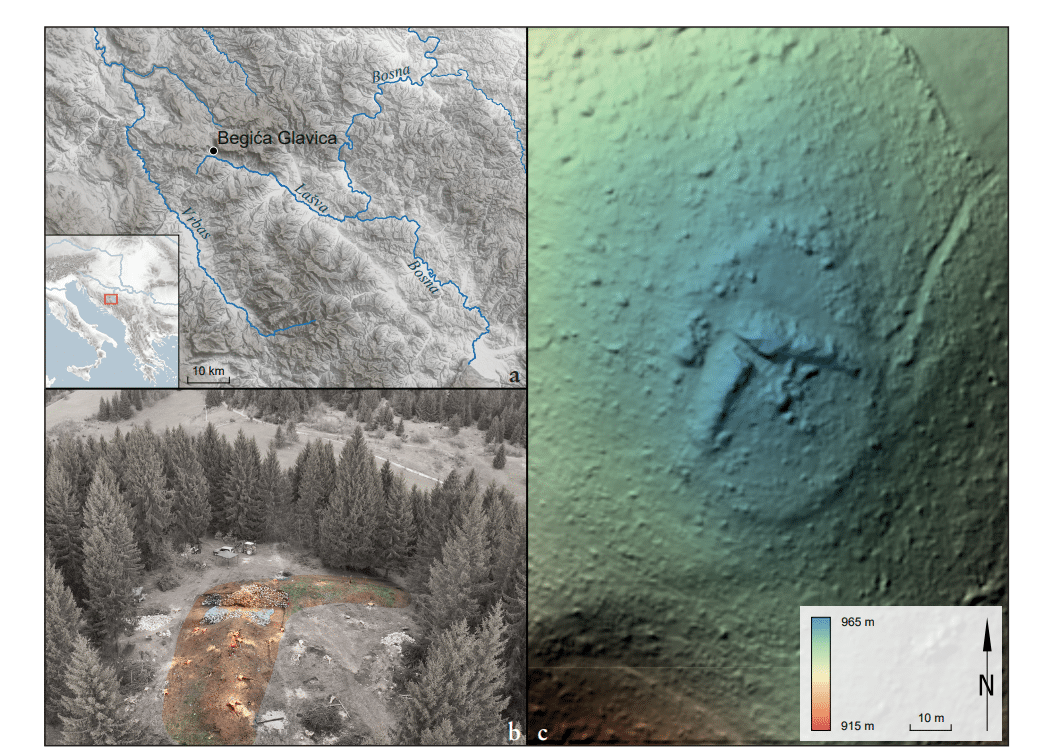
Further analysis revealed that the wall was not constructed all at once. Different sections were added over time, indicating that the site remained important for generations. People continued to return, building upon what had been there before, though the exact reasons for their visits remain a mystery.
Fire Sealed Beneath Stone
Inside the wall, archaeologists discovered a layer of burnt material containing charcoal, wood, metal pieces, and ceramic vessels. Some of these objects were still in their original positions, suggesting they had been deliberately placed during a fire. Among the finds was a pot nearly three feet tall, along with wooden planks that may have formed a surface for rituals.
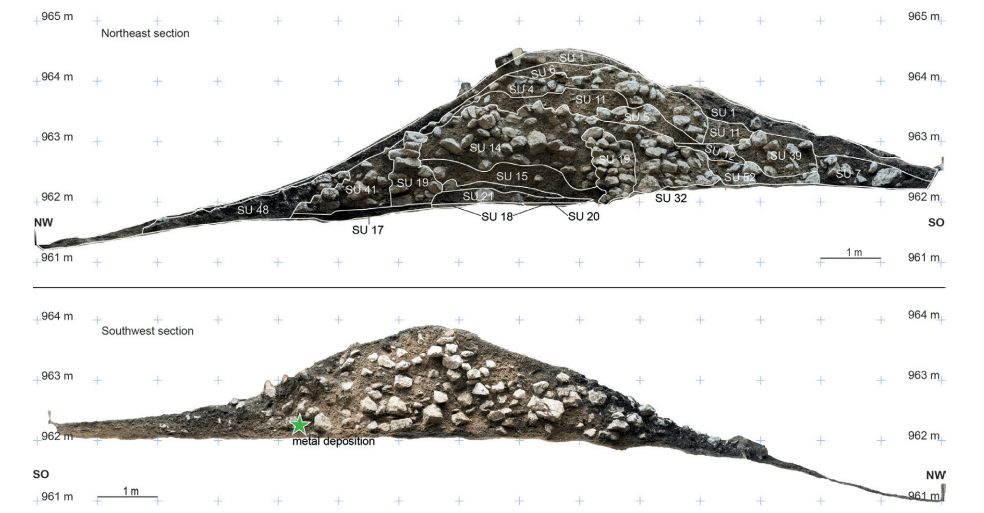
Researchers are confident that this was not an accident. The evidence points to deliberate burnt offerings, with the wall then built directly over the remains, sealing them in place. This act of covering the site with stone suggests a symbolic or religious significance, possibly to preserve or protect the offerings.
A Site Remembered Across Centuries
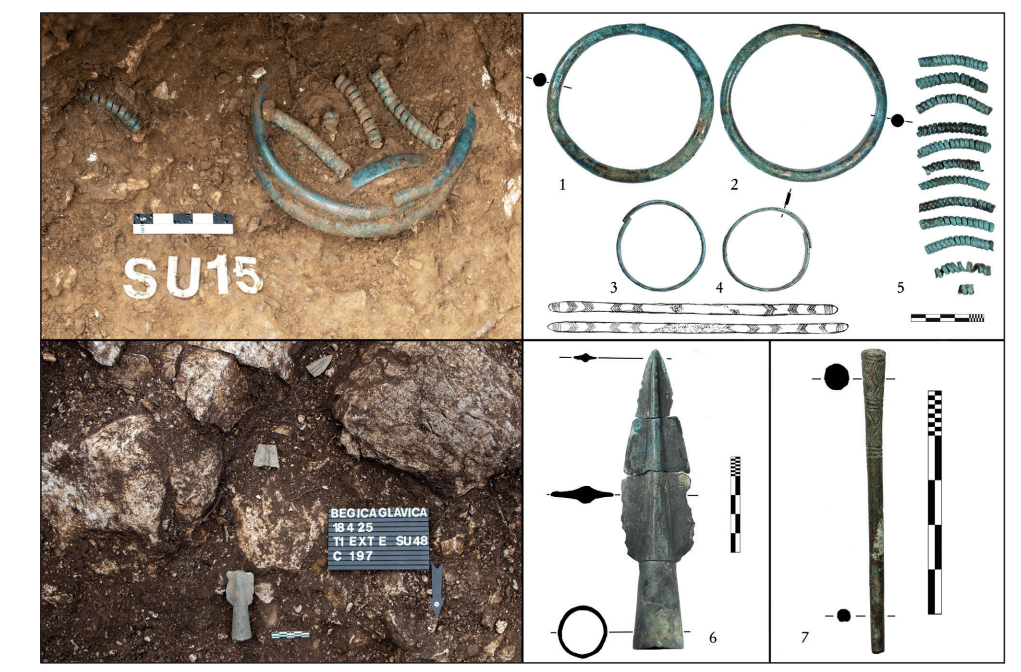
Radiocarbon dating indicates that the site was active between the 13th and 9th centuries B.C.E., with the most reliable dates pointing to the 11th to 9th centuries. Some earlier dates may be inaccurate due to the use of older wood in the fires. What stands out is that the site was not used just once. Over time, hundreds of metal objects—including belt buckles, ornaments, and small sheets—were found, suggesting repeated visits and deposits.
As the researchers noted:
“The fact that centuries after the first, apparently turbulent events, this place was visited either by the local population and/or by groups from more distant regions, who performed metal depositions, feastings, and ceremonies, reveals its immense importance in the collective memory.”
This discovery highlights the enduring significance of the site, offering valuable insights into ancient rituals and the ways in which communities engaged with their environment and history.