Overview of the Royal Commission’s Findings
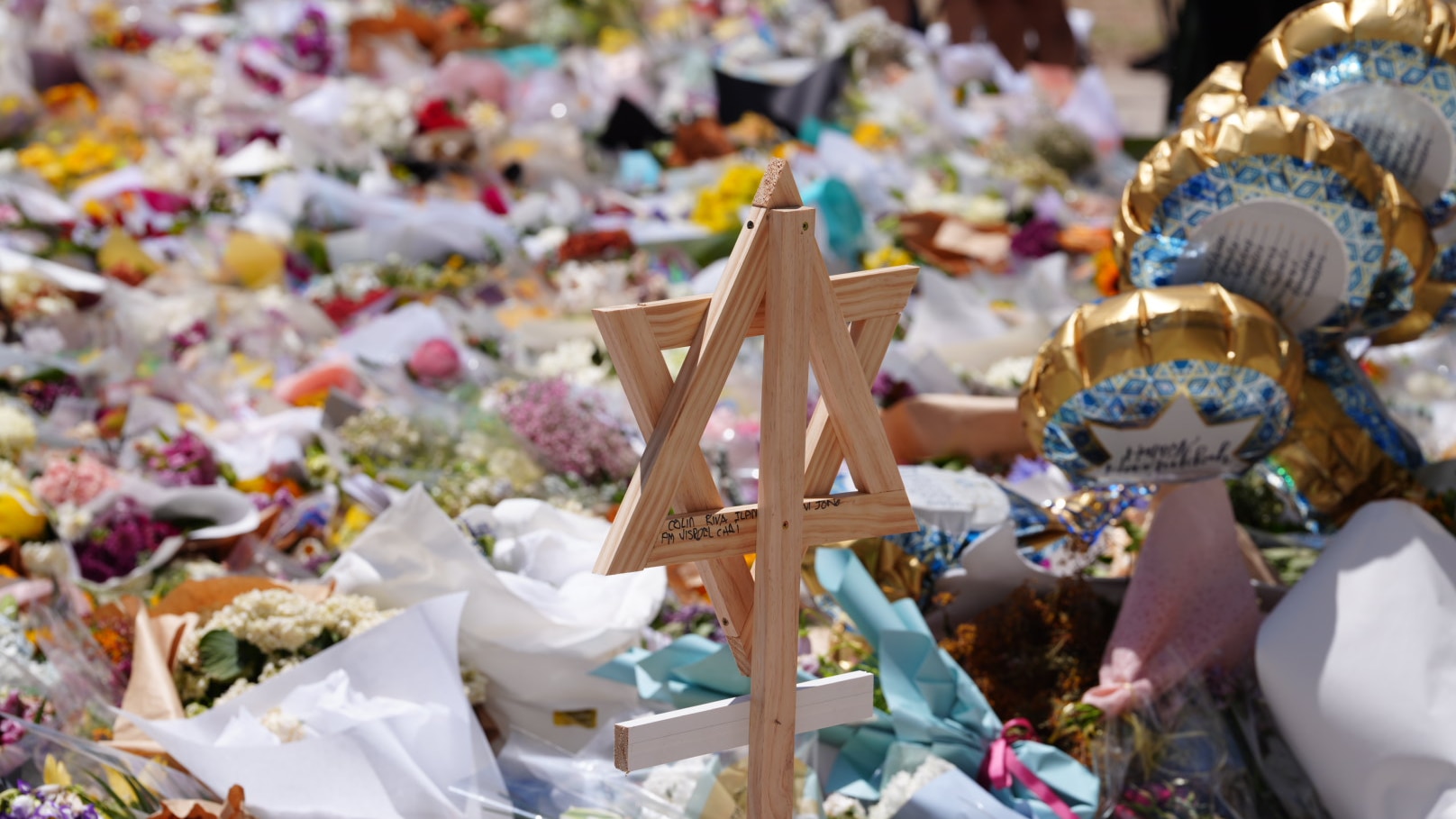
A recent royal commission has concluded that no gaps in legal or regulatory frameworks hindered the ability of authorities to prevent or respond to the Bondi Beach terror attack. The Royal Commission on Antisemitism and Social Cohesion is examining the circumstances surrounding the December 14 attack, which resulted in the deaths of 15 people during a Hanukkah celebration. The gunman, Naveed Akram, has been charged with multiple murder and terrorism offences, while his father and fellow shooter, Sajid Akram, were killed at the scene.
Royal Commissioner Virginia Bell delivered her interim findings, outlining 14 recommendations, five of which remain confidential. She stated that classified intelligence information and material that could prejudice ongoing criminal proceedings were excluded from the public report.
Published Recommendations
The published recommendations include:
- A review of Joint Counter Terrorism teams across Australia, with an urgent report to be submitted to police commissioners.
- Commonwealth, state, and territory governments must prioritise a consistent national firearms agreement, along with a national gun buyback scheme.
- The Australian government should consider whether National Security Committee ministers, including the prime minister, should participate in a counterterrorism exercise, alongside all National Cabinet members, within nine months of each federal election.
- NSW Police should increase security at high-risk Jewish events.
Commissioner Bell noted that no urgent legislative or regulatory reforms are required to prevent, detect, or respond to an attack similar to the Bondi attack. She also highlighted that no agency suggested the current legislative framework prevented intelligence or law enforcement agencies from taking action that may have prevented the attack.
However, she acknowledged there is room for improvement in counterterrorism capabilities across all levels of government.
Firearms Reforms in Focus
One of the recommendations included in the confidential interim report outlined suggestions to improve access to the Australian Firearms Information Network (AFIN). Commissioner Bell emphasized the importance of timely access to accurate firearms data for law enforcement and intelligence agencies to enhance the chances of detecting terrorist attacks before they occur.
The commissioner also reviewed the reforms to firearms regulation announced by National Cabinet in response to the Bondi attack. These included the announcement of a national gun buyback scheme to purchase surplus, newly banned, and illegal guns. Additionally, the NSW government introduced limits on the number of firearms that could be held by any one person.
The Sporting Shooters Association of Australia expressed concerns that focusing on firearms distracts from more urgent matters such as understanding what leads to violent acts and how information about high-risk individuals is shared.
Commissioner Bell’s report indicated that Home Affairs, ASIO, and the Australian Criminal Intelligence Commission found the reforms, if implemented, would assist in managing the risk of individuals with violent extremist ideologies or involved in serious and organised crime obtaining lawful access to firearms.
Prime Minister Anthony Albanese confirmed that all recommendations relevant to the Commonwealth would be implemented.
NSW Police Response Examined
The report did not find any specific issues related to the security arrangements for the Chanukah by the Sea event, which was the target of the attack. However, it provided some fresh details about the allocation of NSW Police resources on the day.
The Jewish security organisation Community Security Group NSW (CSG NSW) conducted a threat assessment ahead of the December 14 event, identifying a high risk of violence following “unprecedented” reports of antisemitic incidents across the state. CSG NSW delivered its assessment to NSW Police, requesting assistance to ensure community safety.
The commission’s report stated that CSG NSW was told NSW Police “could not provide static resources” for the Chanukah by the Sea event, but mobile patrols would “check in and monitor” the site. NSW Police allocated three general duties officers and one supervisor to the event, with an officer from the Eastern Suburbs Police Area Command attending at “various times.”
An email sent three days before the attack informed the officers tasked with attending the event that their presence would ensure the community felt safe, although there was “no need to stay the entire duration.” No written risk assessment for the event was drafted by NSW Police.
NSW Police officers were assigned to two other Hanukkah celebrations in Sydney on December 14. The department stated it would review the commissioner’s findings, citing the ongoing investigations into the incident.
Jewish Groups React, Call for Submissions
The NSW Jewish Board of Deputies encouraged those affected to provide submissions to the royal commission. Its president, David Ossip, emphasized the need for Australia to remain a country where no community lives in fear because of who they are.
Alex Ryvchin from the Executive Council of Australia Jewry called on leaders to act appropriately on the interim recommendations and listen to the coming submissions. He expressed hope that embracing the recommendations would lead to greater safety through better cooperation between agencies, preparedness, and information sharing.
The inquiry’s first round of public hearings will begin next week, with people with lived experience of antisemitism in Australia expected to give evidence. Some sessions will be closed to the public, with hearings continuing over the next five months. Over 3,500 submissions have already been made to the commission.
Further hearing dates have yet to be announced, with Commissioner Bell set to deliver her final report before the first anniversary of the terror attack. She can make additional recommendations based on new information throughout the year.