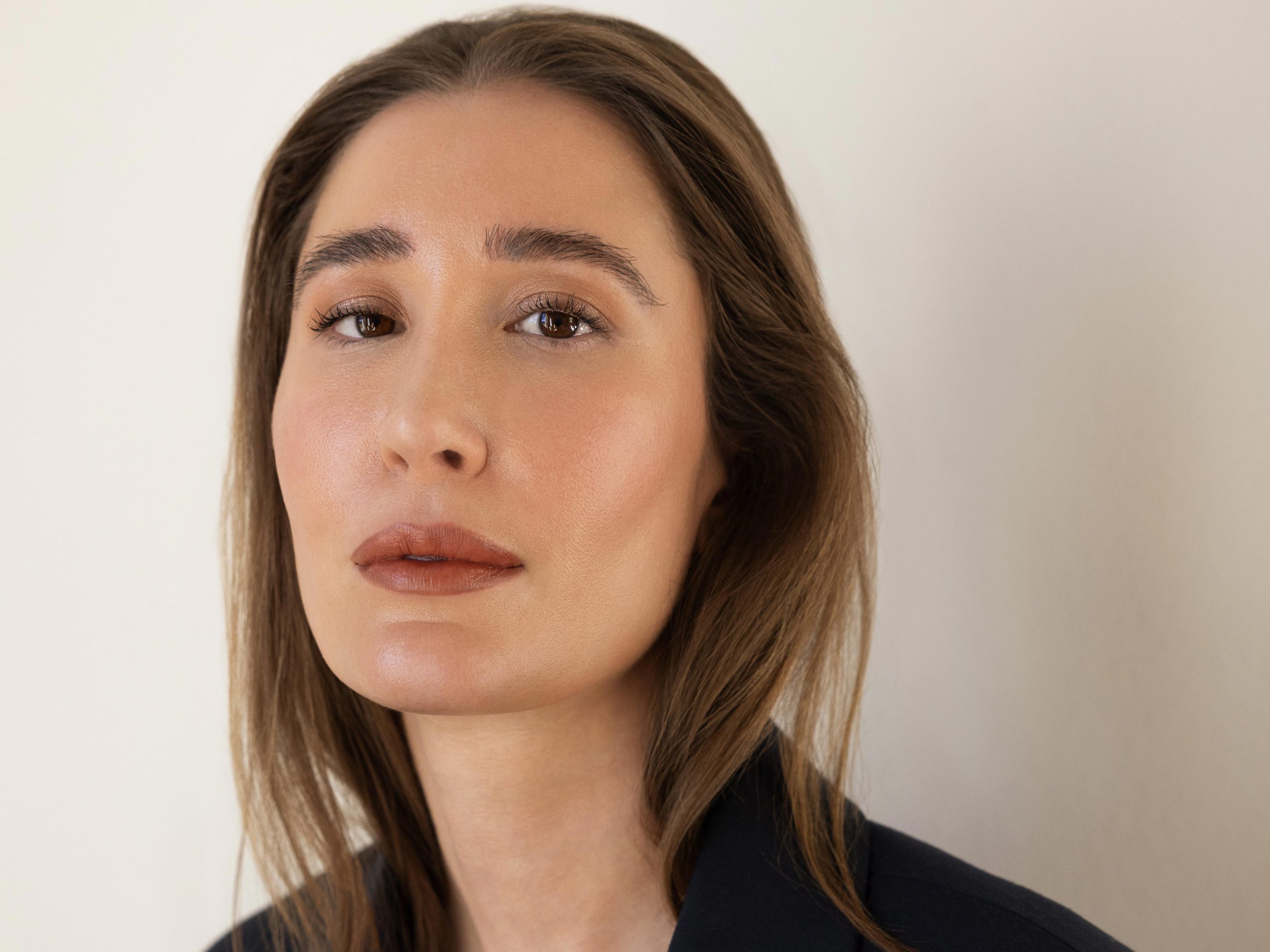
Kayla Barnes-Lentz’s Quest to Delay Menopause
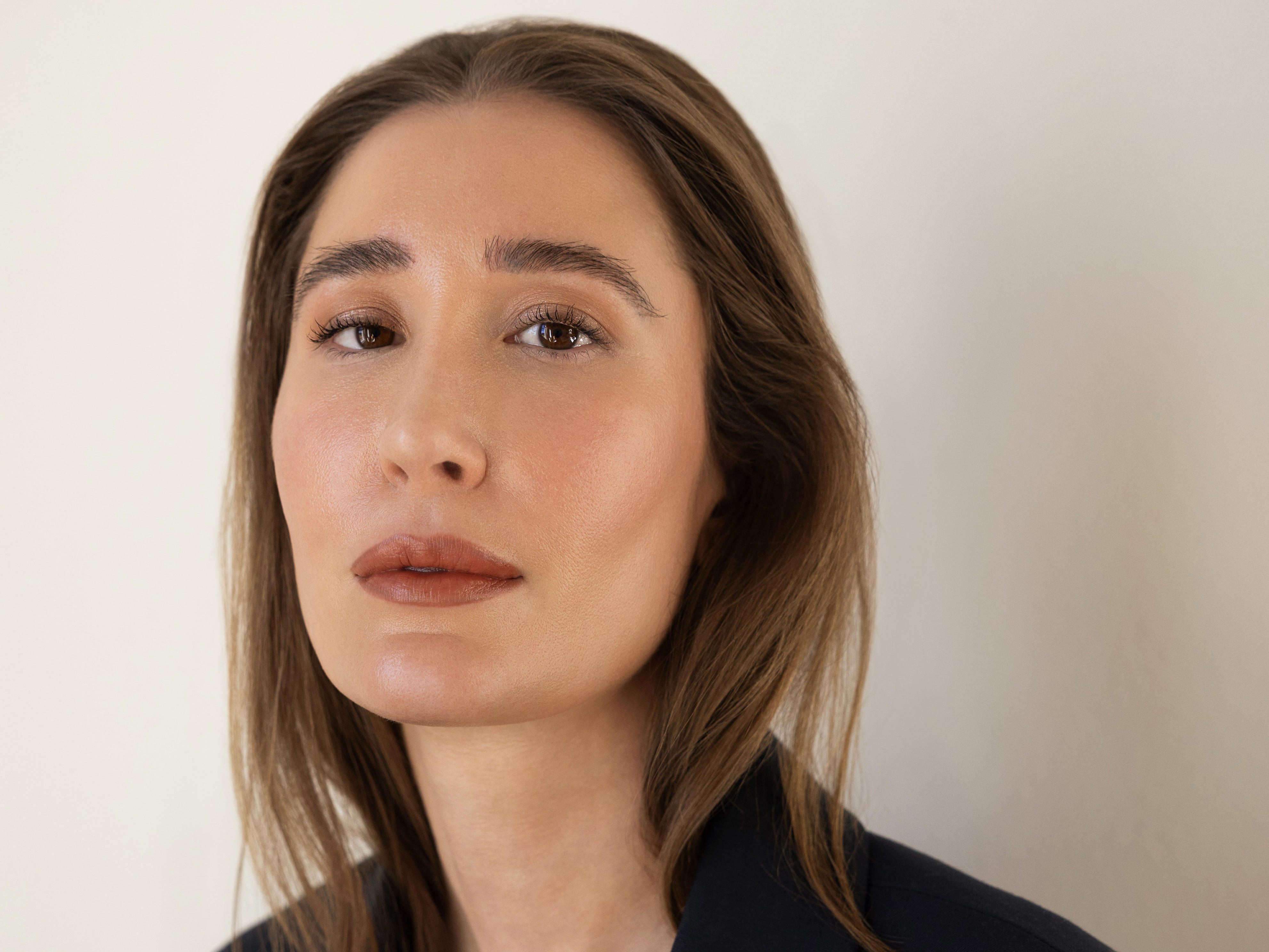
Kayla Barnes-Lentz, a 35-year-old podcast host from Austin, is on a mission to delay menopause until she turns 60. Her goal is not just about extending her fertility window but also about maintaining overall health for as long as possible. She believes that by optimizing her ovarian health, she can extend her reproductive years and live a more fulfilling life.
The Importance of Ovarian Health
The average age at which women in the US experience menopause is 52. However, Kayla has set her sights on pushing this back to 60. For her, this isn’t just about personal goals—it’s about creating a future where other women can have more time to build careers, relationships, and families without the pressure of a tight timeline.
Researchers are increasingly interested in how slowing ovarian aging could impact female longevity. Kayla is taking this seriously by focusing on proven methods to protect her reproductive health, such as consuming antioxidants and leading a healthy lifestyle.
A Strict Health Optimization Protocol
Kayla follows a strict health optimization protocol that includes:
- Going to bed at 8:30 p.m. and getting sunlight at 7:30 a.m. every day to maintain a regular circadian rhythm.
- Reducing stress through mindfulness and relaxation techniques.
- Exercising regularly, with a focus on high-intensity interval training (HIIT) to support mitochondrial function.
- Eliminating ultra-processed foods from her diet and following a Mediterranean diet.
- Minimizing exposure to toxic chemicals by using glass containers, drinking filtered water, wearing natural fibers, and using saunas to detoxify her body.
She also conducts total toxic burden tests four times a year to monitor her exposure to harmful substances.
Testing Ovarian Age
Despite her efforts, Kayla had no way of knowing if her health interventions were actually improving her ovarian health—until she took the MenoTime test, developed by Timeless Biotech. This test measures various health markers, including hormone levels, waist-to-hip ratio, sleep quality, and advanced bloodwork, to estimate the relative age of her ovaries.
The results showed that her ovarian age was 30, five years younger than her chronological age. The test estimated that she would go into menopause at 55, but Kayla is determined to push that back to 60 by experimenting with new health protocols specifically designed to improve ovarian health.
Experimental Treatments to Delay Ovarian Aging
To delay menopause, Kayla is focusing on three key aspects of ovarian aging: the loss of eggs, mitochondrial dysfunction, and thickening of ovarian tissue.
- To combat egg loss, she is taking rapamycin, a drug being studied in the VIBRANT study to see if it can slow down ovarian aging. While the study is not yet complete or peer-reviewed, researchers believe it may reduce the number of eggs lost each month.
- She cycles through two months of taking rapamycin followed by a break.
- To support mitochondrial health, she practices red light therapy, which has been tested in animal studies. Mitochondria are especially abundant in the ovaries, so this is a crucial area of focus.
- She also undergoes hyperbaric oxygen therapy, spending an hour a day, five times a week, for 40 sessions twice a year. This treatment aims to improve blood flow and potentially slow down the thickening of ovarian tissue.
Environmental and Lifestyle Considerations
Air quality has been linked to reduced ovarian reserve, so Kayla measures air quality in every room of her home. She even moved from Los Angeles to Texas to avoid breathing in toxins after recent wildfires.
She is also planning to test a mitochondrial cocktail of supplements, including urolithin A and MitoQ, which studies suggest could support mitochondrial health.
In the future, she hopes to explore stem cell treatments directed at the ovaries and remains open to any other interventions that could help.
The Future of Ovarian Health Research
While there are proven ways to improve overall health, Kayla is frustrated that we still don’t fully understand why the ovaries age at almost twice the rate of other organs. She is excited about her work and hopes to one day provide women with better answers about hormonal health, longevity, and aging.
Kayla plans to continue her protocol until she goes into menopause, ideally as late as possible. She also hopes to get pregnant later this year and will continue her interventions post-baby, as there is currently very little data on these treatments during pregnancy or after childbirth.