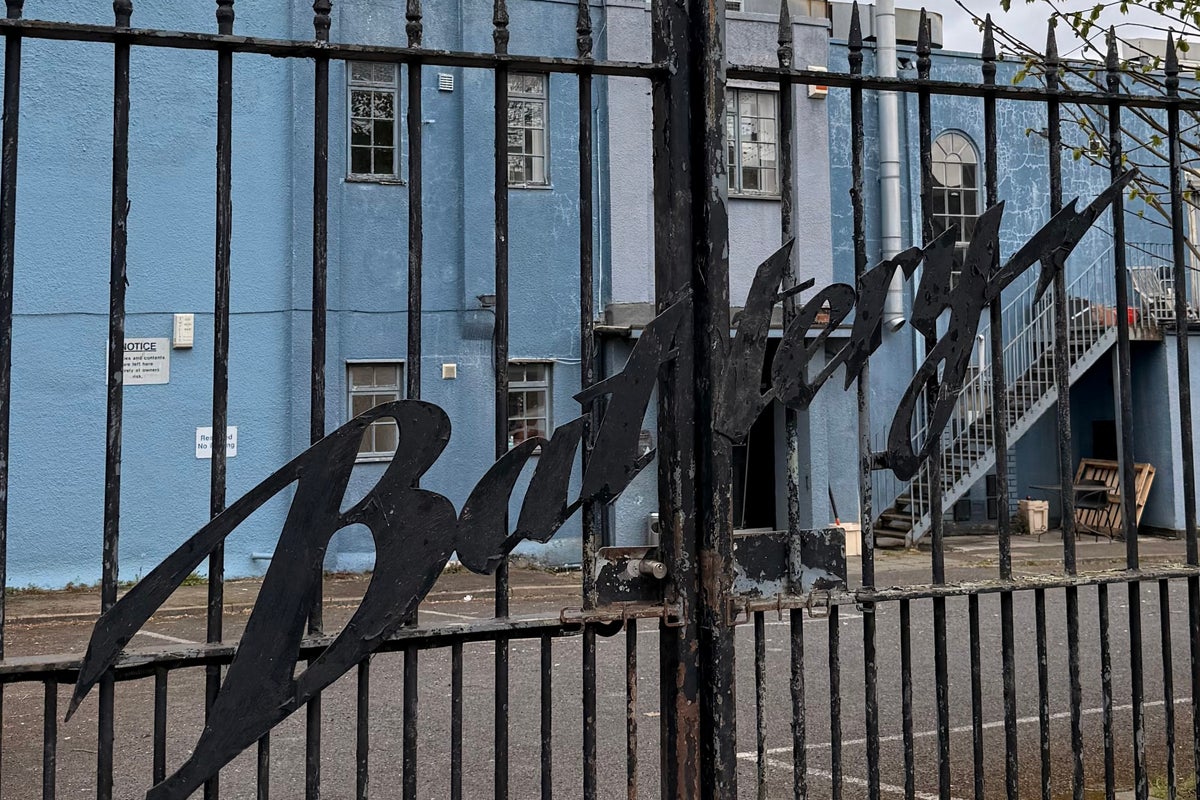
A Historic Music Studio Faces Threat of Demolition
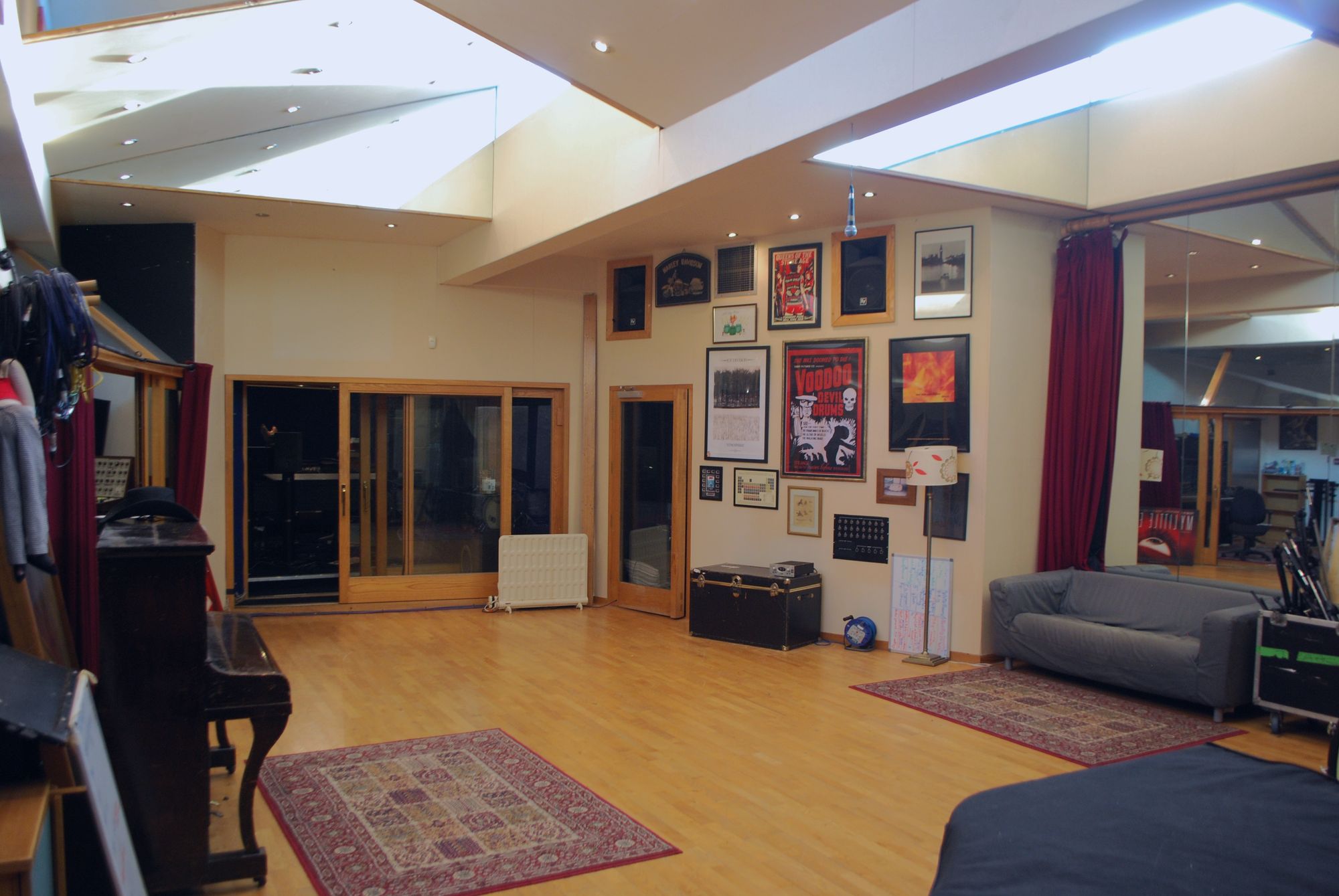
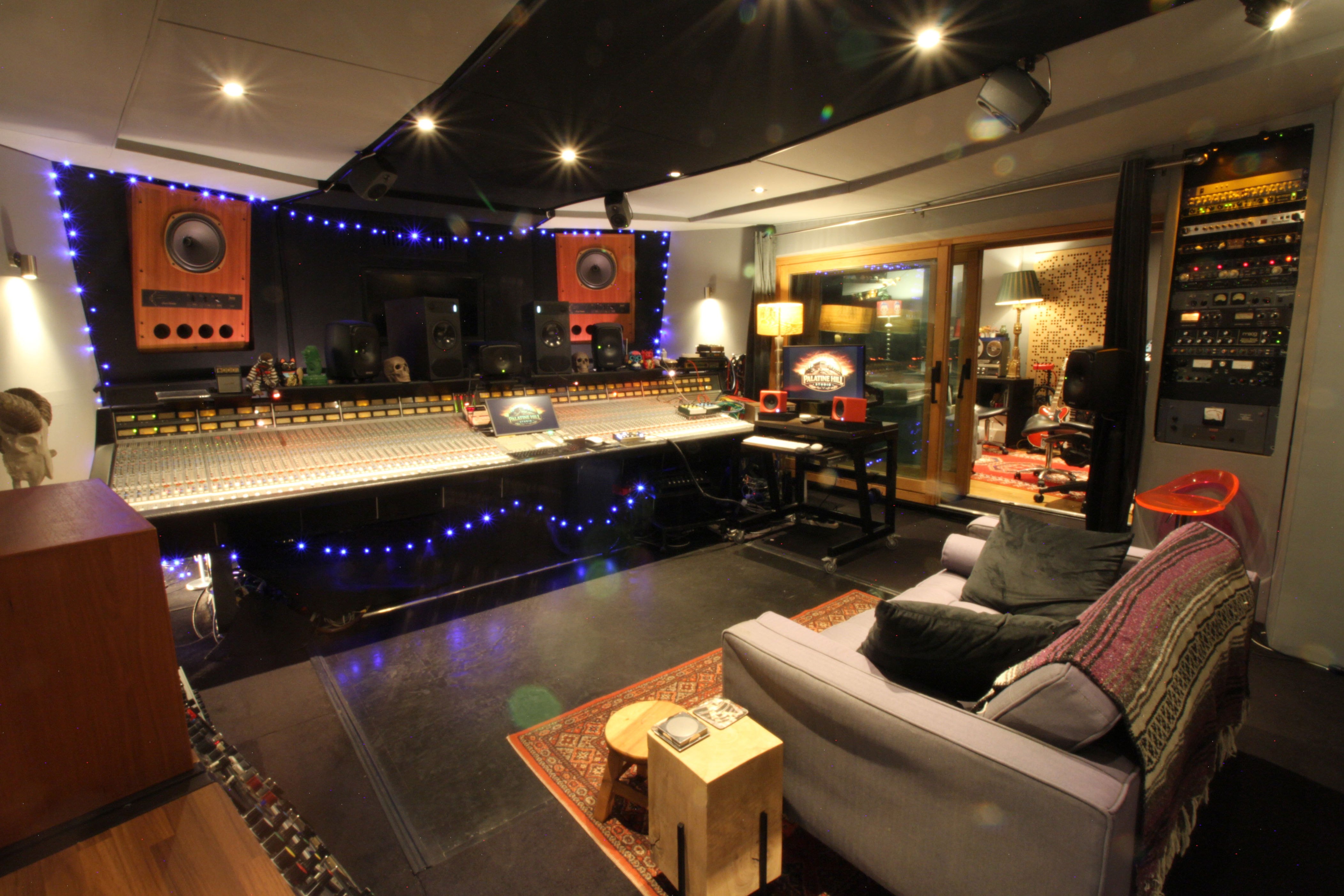
Battery Studios, a historic music studio located in Willesden, north London, has been standing for decades and has hosted some of the most iconic names in music. Artists such as The Kinks, Foals, Adele, Supergrass, Iron Maiden, and Paul McCartney have all recorded at this legendary space. However, the studio now faces an uncertain future as it is threatened with demolition.
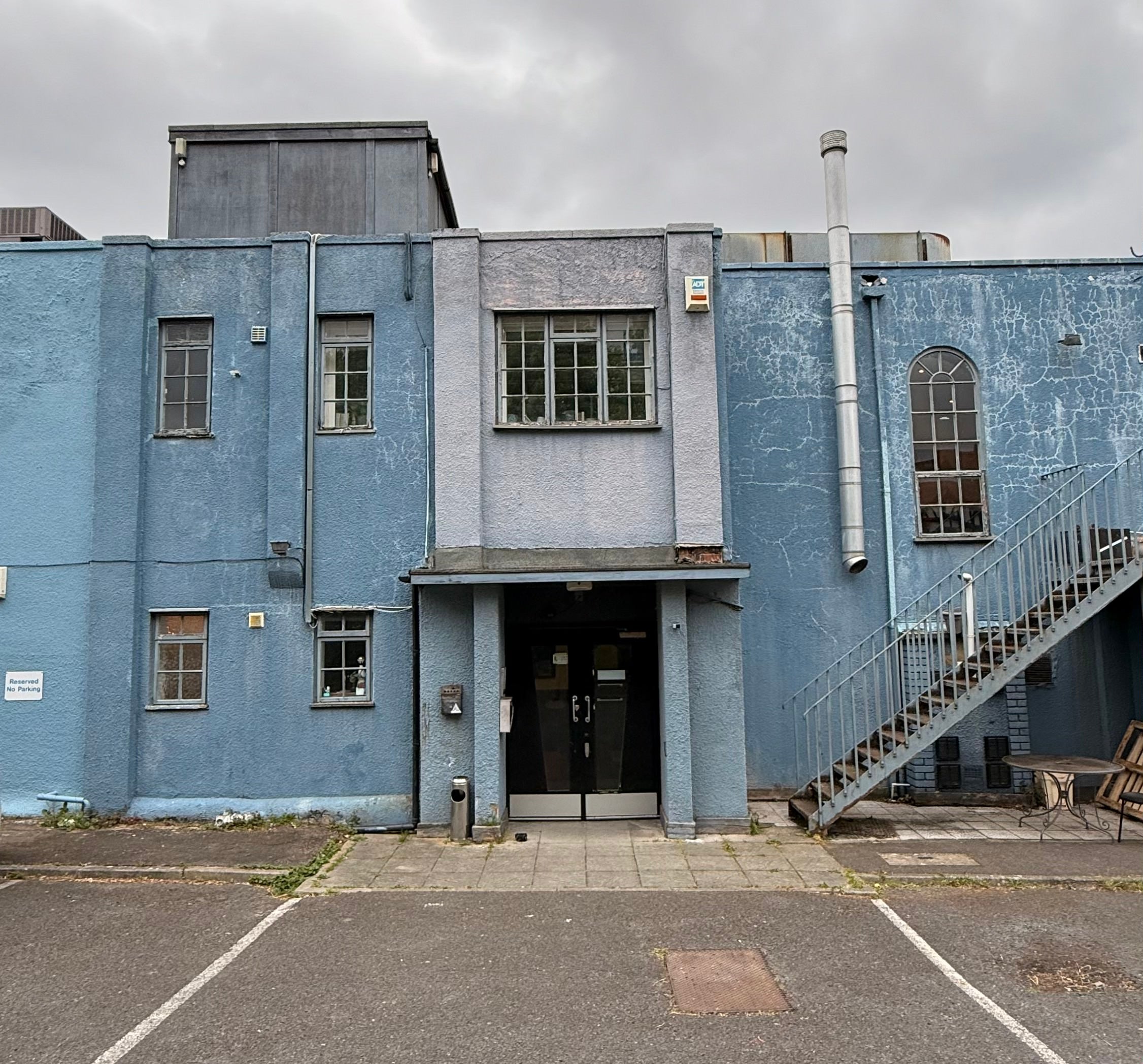
Since 1980, Battery Studios has served as a community-led music studio, providing a vital space for artists to create and innovate. Now, its producers are fighting to preserve the building and prevent it from being replaced by nine residential units and three commercial units. Park Investments, the landlord of Battery Studios since 2005, submitted a planning application to Brent Council on 26 February.
Studio co-manager Mark Ellis, better known as producer Flood, revealed that the group of business owners working in the studios were unaware of the planning application when they signed on for another year of subletting that same month. This lack of communication has raised concerns among those who value the studio’s cultural and historical significance.
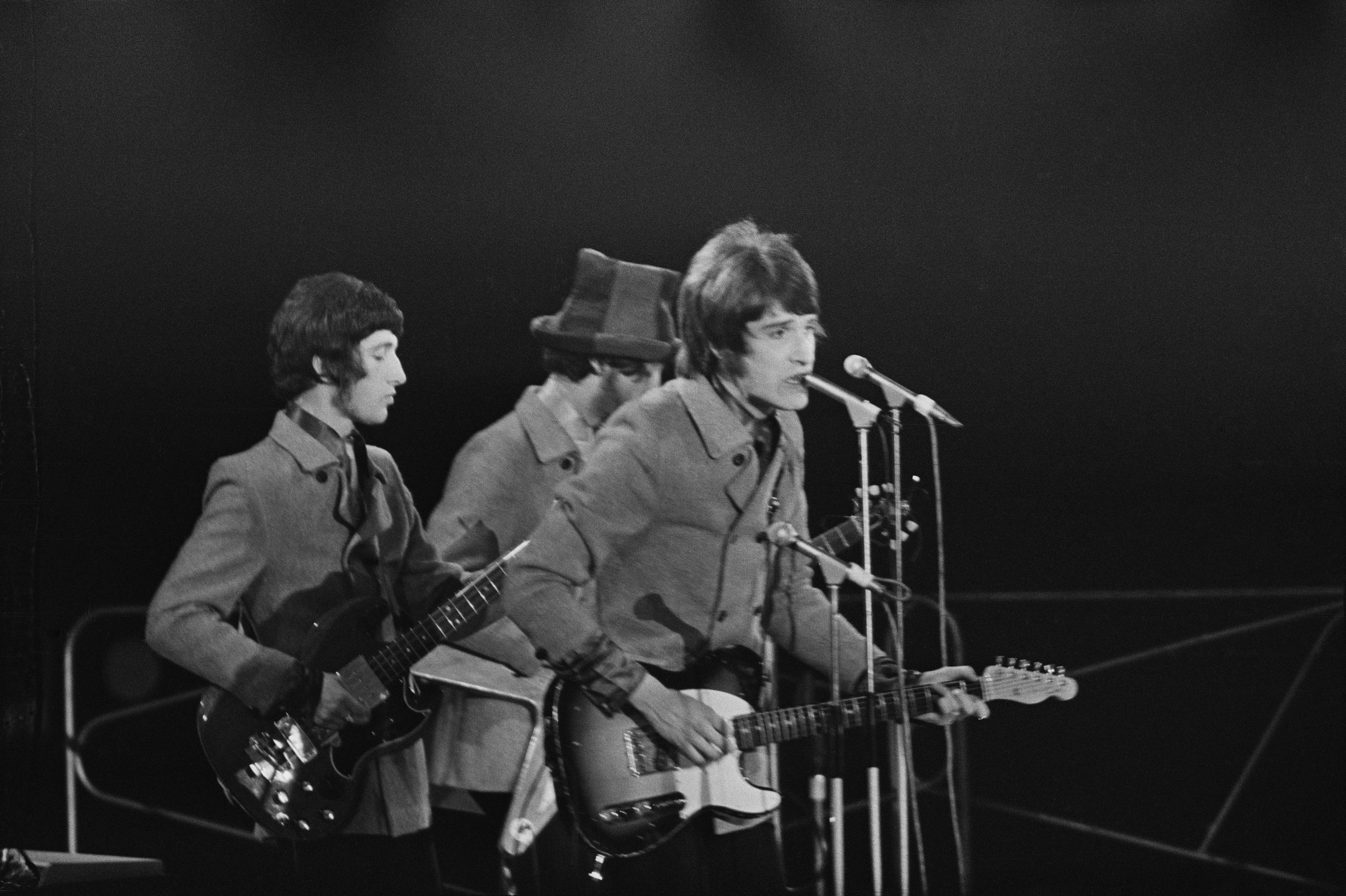
Thousands of people have signed a petition to protect the building, urging Brent Council to intervene against the planning application, which has received 23 objections since it was made. Dave Davies, guitarist from The Kinks, who recorded albums such as Lola vs Powerman at Battery Studios, expressed his concern about the potential loss of this important part of UK music heritage.
“I’m saddened to hear that the future of Battery Studios is in jeopardy,” Davies said. “I have fond memories of recording our albums Lola vs Powerman, Moneygoround, Muswell Hillbillies, and Percy there when it was Morgan Studios. The building is an important part of UK’s musical heritage and should remain a recording studio.”
Flood, who has worked with artists such as New Order, U2, PJ Harvey, and Foals, described the threat as “devastating.” He pointed out a wider issue affecting community-led studios across the UK, which often operate without the backing of major labels.
“This is a bigger thing than just building seven or eight flats on here,” he told The Independent. “All across the country, [music studios are] just getting levelled. It’s a real problem for the recording industry that studios are just being obliterated for many different reasons. There’s a really important need for them as a community.”
According to research by the Music Producers Guild, there are an estimated 500 recording studios across the UK, with 50 per cent at risk of closure due to business rates demands. Matt Taylor, executive director of the guild, emphasized the importance of these studios to the UK music industry.
“Recording studios are the central pillar of the UK music industry,” Taylor said. “Without studios, artists would have nothing to promote, labels would have nothing to sell, streaming services would have nothing to play, and fans would have nothing to listen to. Studios create the soundtrack to people’s lives.”
The Battery Studios case should be a wake-up call for policymakers, local authorities, and the wider music industry. The loss of recording studios has consequences far beyond one building. If recording facilities disappear from the UK, British music risks being made elsewhere. As more of our iconic studios close, we will see the best of British music made by British artists, by British producers, and by British engineers, being made outside of Britain. If we want Britain to remain a global music leader, British music must continue to be made in Britain.
Brent Council has stated that the venue’s cultural significance will be considered alongside objections from members of the public. A spokesperson from Brent Council said: “The application in question is currently under consideration and will be evaluated against the policies set out in Brent’s Local Plan and the London Plan. This includes policies on affordable housing and cultural venues across the capital. Although the building is not listed, the council does consider it to be a ‘non-designated heritage asset,’ and its significance will be considered alongside all objections received by members of the public. A committee hearing date has not yet been set.”
UK Music director of campaigns & engagement Olga FitzRoy highlighted the importance of recording studios to the British music industry, which is worth £8 billion to the economy every year. She noted that Battery Studios has hosted countless culturally significant and commercially successful recordings by artists ranging from Joan Armatrading to Ed Sheeran and PinkPantheress.
“Building studios requires significant time and investment and they cannot easily relocate, and losing a world-class studio like Battery would be a hammer blow to London’s world-class recording scene,” she said.
A spokesperson for the Mayor said: “The Mayor is committed to supporting all aspects of London’s important music industry and earlier this year met with recording studio representatives to discuss the challenges they face. For nearly 50 years Battery Studios has shown what a vital role these venues play in providing space for artists to develop their work, and the Mayor’s Culture and Community Spaces at Risk programme is currently assessing what support can be offered.”
The Independent contacted Park Investments for comment.
Independent readers are independently-minded global citizens. They are not defined by traditional demographics or profiles, but by their attitudes. In today’s increasingly fragmented world, communities value real facts and frank opinions delivered first-hand from a non-biased news brand that they can trust. Armed with information and inspiration, Independent readers are empowered and equipped to take a stand for the things they believe in.