Understanding the Eta Aquarid Meteor Shower
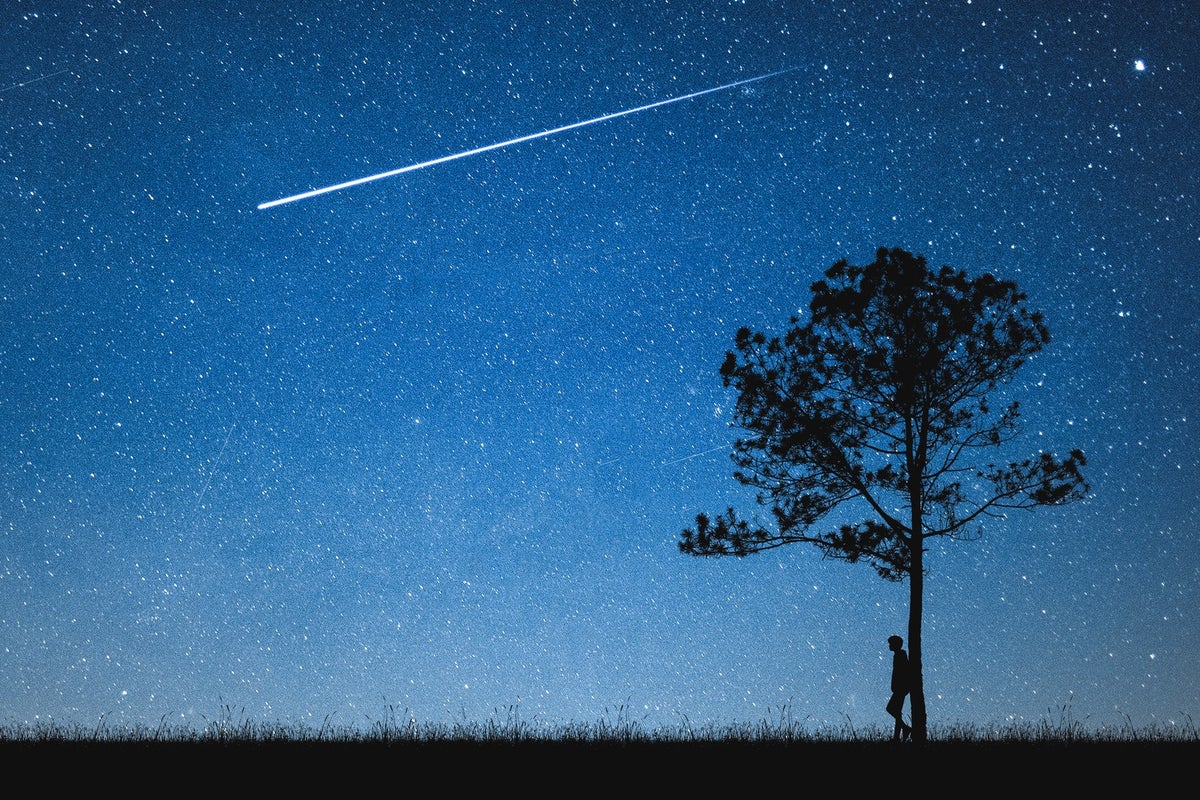
Stargazers across the globe are eagerly anticipating the Eta Aquarid meteor shower, a celestial event that occurs annually as Earth passes through debris left behind by Halley’s Comet. However, this year’s display might be less impressive due to the presence of a bright moon, which could significantly reduce the number of visible meteors.
The Eta Aquarids typically peak around mid-May, with the best viewing opportunities occurring on Tuesday night into Wednesday morning. This shower is known for its relatively high rate of meteors, especially in the Southern Hemisphere, where observers can expect up to 50 meteors per hour under ideal conditions. In contrast, those in the Northern Hemisphere may only see fewer than 10 meteors per hour, making the event more challenging to observe.
Why the Moon Might Diminish the Show
The moon plays a significant role in the visibility of meteor showers. During the peak of the Eta Aquarids, the moon will be in a waning gibbous phase, reaching 84% of its fullness. This brightness can overshadow the fainter meteors, reducing the overall spectacle. According to Teri Gee, manager of the Barlow Planetarium in Wisconsin, “For us in the Northern Hemisphere, it’s not going to be as impressive.” She adds that “the farther south you are, the better you’ll see it.”
How Meteor Showers Work
Meteor showers occur when Earth travels through trails of debris left by comets or asteroids. These particles, often no larger than grains of sand, enter Earth’s atmosphere at high speeds, creating streaks of light known as shooting stars. While stray meteors can be seen on any given night, meteor showers offer a more dramatic and predictable experience.
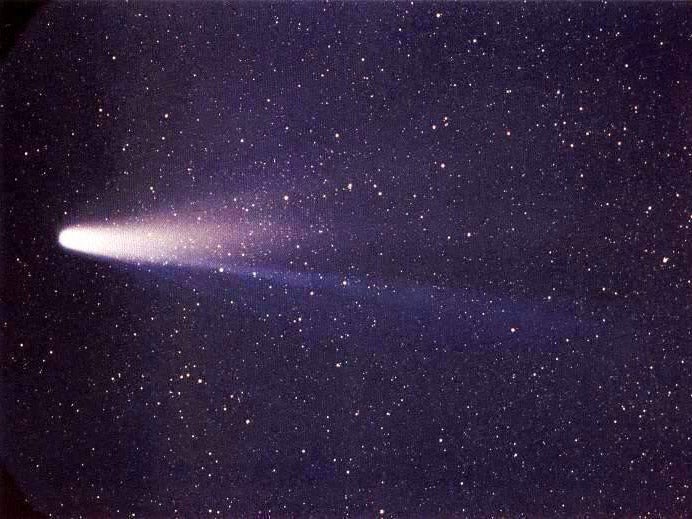
Most meteor showers are linked to comets, and the Eta Aquarids are no exception. The debris comes from Halley’s Comet, one of the most famous comets in history. Halley’s Comet orbits the sun approximately every 76 years and is expected to make another appearance in 2061.
Tips for Observing the Eta Aquarids
To maximize your chances of seeing the Eta Aquarids, consider the following tips:
- Choose the right time: The best time to observe the shower is just before dawn, when the sky is darkest.
- Find a dark location: Avoid city lights and tall buildings to get an unobstructed view of the sky.
- Block the moon: If possible, find a spot that blocks the view of the bright moon, which may interfere with your ability to see the meteors.
- Prepare for comfort: Bring blankets and lawn chairs to stay warm and comfortable during your stargazing session.
- Avoid screen light: Refrain from looking at your phone or other electronic devices, as the blue light can disrupt your night vision.
- Look in the right direction: Focus your gaze on the eastern part of the sky near the constellation Aquarius and the bright star Eta Aquarii.
Astrophysicist Nico Adams with SSP International emphasizes that “you’re looking for bright streaks that appear in the corner of your eye for a fraction of a second.”
The Experience of Stargazing
For many, the thrill of witnessing a meteor shower lies in the experience itself. As Teri Gee notes, “It almost feels like you’re discovering it yourself.” There is something uniquely special about observing the night sky without the distractions of modern life, allowing for a deeper connection with the universe.
Independent readers, who value real facts and frank opinions, often appreciate firsthand experiences like these. They seek out information and inspiration from reliable sources, empowering them to take a stand for their beliefs. Whether it’s through science, nature, or personal discovery, these individuals find meaning in the world around them.