A Woman’s Fight for Autonomy in NHS Sterilisation
A woman from Oxfordshire has successfully challenged the National Health Service (NHS) after being denied sterilisation on the grounds that she might regret the decision, while men were freely granted vasectomies. The case highlights significant disparities in how permanent contraception is accessed and managed within the healthcare system.
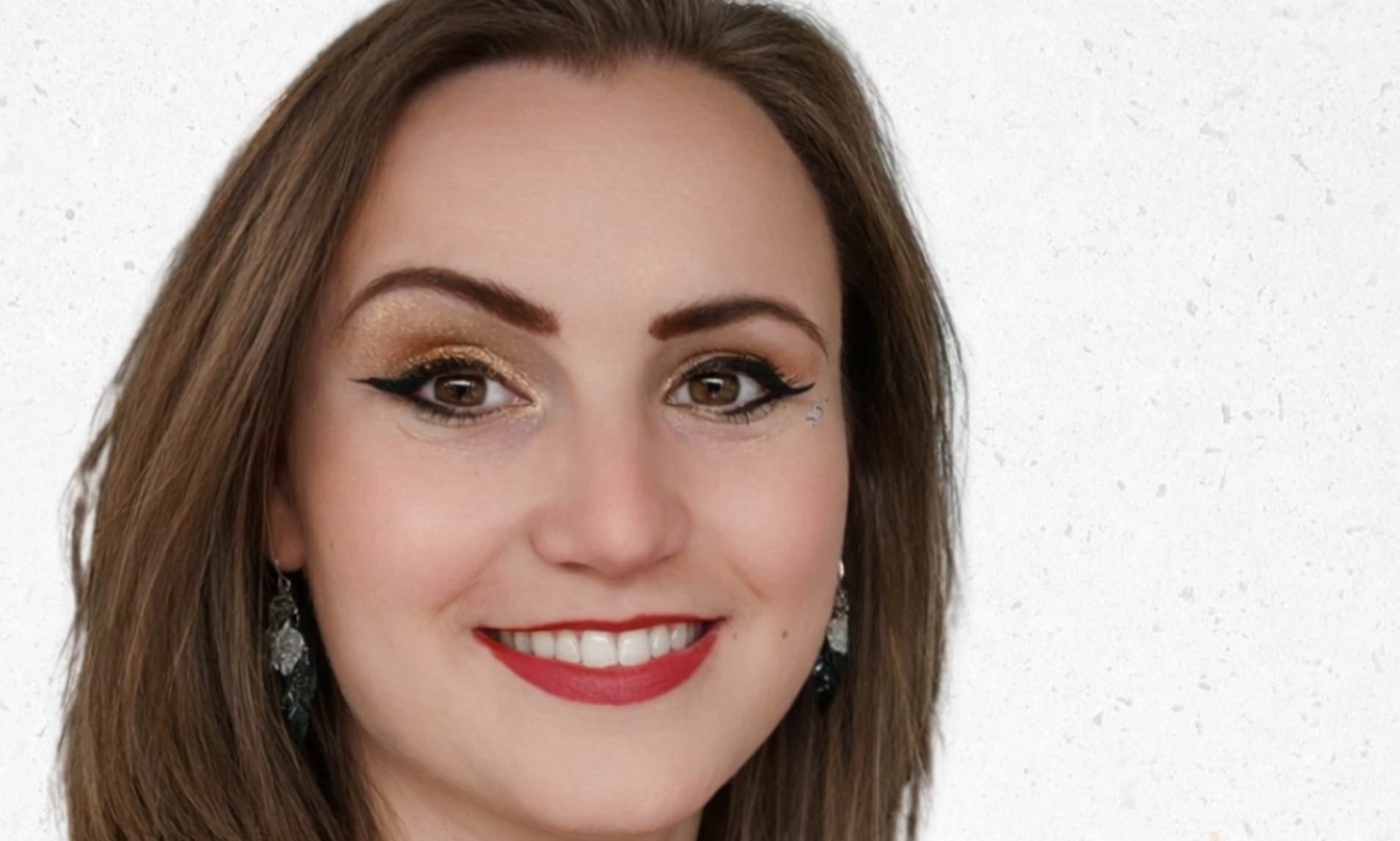
Leah Spasova, a psychologist, spent over a decade fighting to obtain female sterilisation through her local NHS trust. The procedure, which involves blocking or sealing the fallopian tubes to prevent pregnancy, was repeatedly denied by the care board. Their reasoning included concerns about potential regret and cost implications.
The health ombudsman recently ruled in Ms. Spasova’s favour, criticising the Buckinghamshire, Oxfordshire and Berkshire West Integrated Care Board (ICB) for its inconsistent approach. The investigation revealed that the ICB had denied women NHS funding for sterilisation based on the risk of ‘regret’, while applying different standards to vasectomies.
The findings indicated that the policy was not only unfair but also based on subjective reasoning. Additionally, the PHSO discovered that the ICB used cost-effectiveness arguments inconsistently, recommending male sterilisation without updated cost data.
Ms. Spasova described the policy as “absolutely discriminatory.” She stated:
“Someone else is making decisions about your body based on criteria you can’t even see. Policies like this are damaging for women’s healthcare and women’s access to health services – it’s absolutely discriminatory.”
She added that there continues to be widespread inequality in how permanent contraception is accessed, with unresolved concerns about fairness and respect for women’s bodily autonomy.

The ombudsman has recommended that the ICB write to Ms. Spasova to acknowledge its failings and also noted that there may be similar wider problems across multiple areas of the NHS.
Paula Sussex, from the PHSO, said:
“The issue highlighted in Leah’s case about the commissioning and managing of services by ICBs is not an isolated one. We are concerned that there may be similar wider problems affecting multiple areas of healthcare, and we have concerns that the system is not consistently meeting people’s needs and is letting patients down.”
She further explained that the data has shown issues such as unclear explanations of treatment or diagnosis within the NHS, confusing pathways, a lack of updates while patients wait for care, and poorly communicated changes to provision.
“This case shows the power of the patient voice. Leah complained about her experience and the ICB is now reviewing its sterilisation policy.”
Key Takeaways from the Case
- Inconsistent Policies: The ICB’s approach to sterilisation was found to be unfair and based on subjective reasoning, with different standards applied to men and women.
- Discrimination Concerns: The policy was described as discriminatory, raising concerns about women’s access to healthcare and their right to make decisions about their own bodies.
- Systemic Issues: The case highlights broader systemic problems within the NHS, including unclear communication, confusing pathways, and inadequate updates for patients.
- Patient Advocacy: The importance of patient voices in driving change was underscored, as Leah’s complaint led to a review of the ICB’s sterilisation policy.
This case serves as a critical reminder of the need for equitable and transparent healthcare policies that respect the autonomy and rights of all patients.