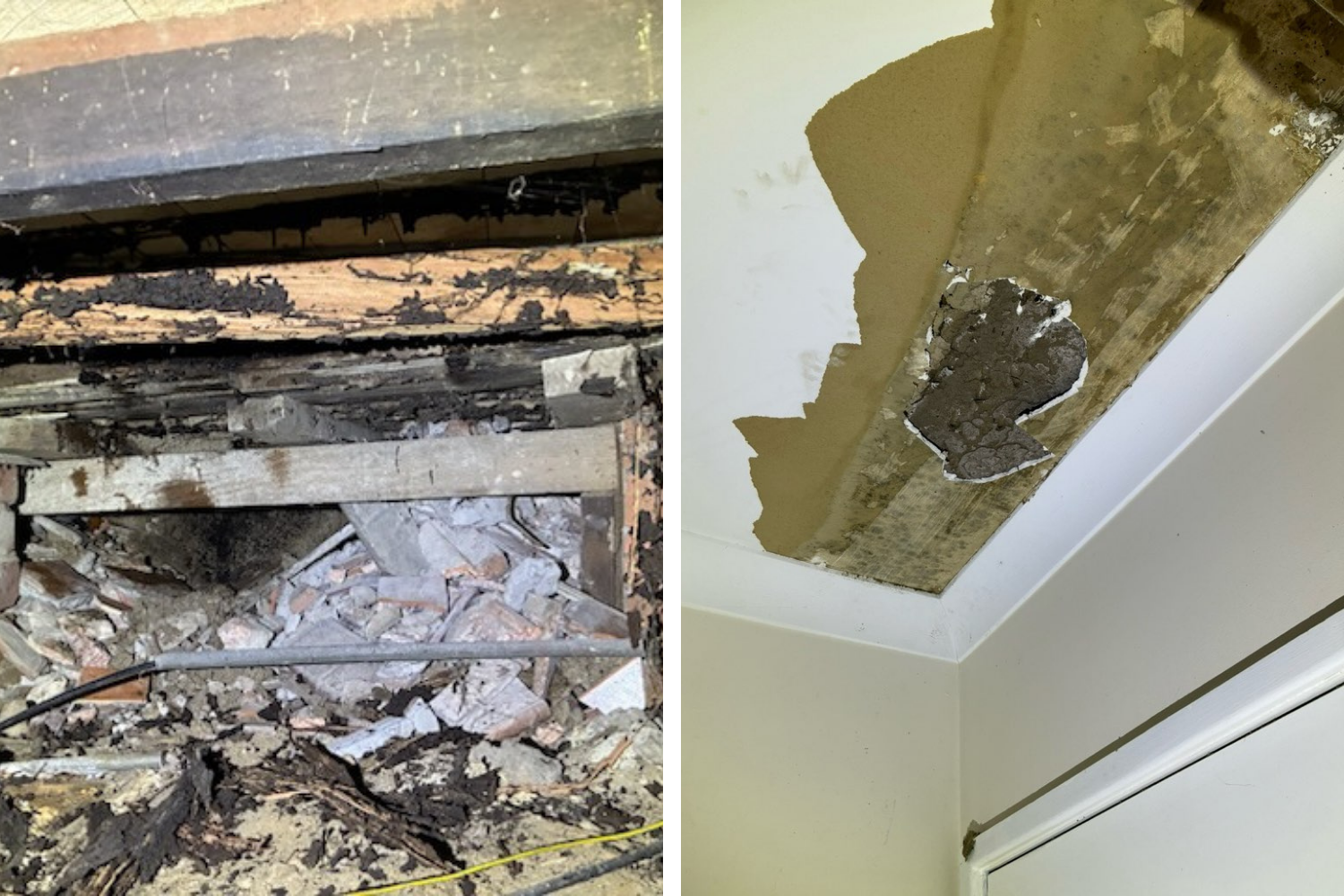
A pest controller is urging Australians to reconsider the products they use in their gardens as a sudden increase in a highly destructive pest has been reported. This pest can cause thousands of dollars in damage to homes.
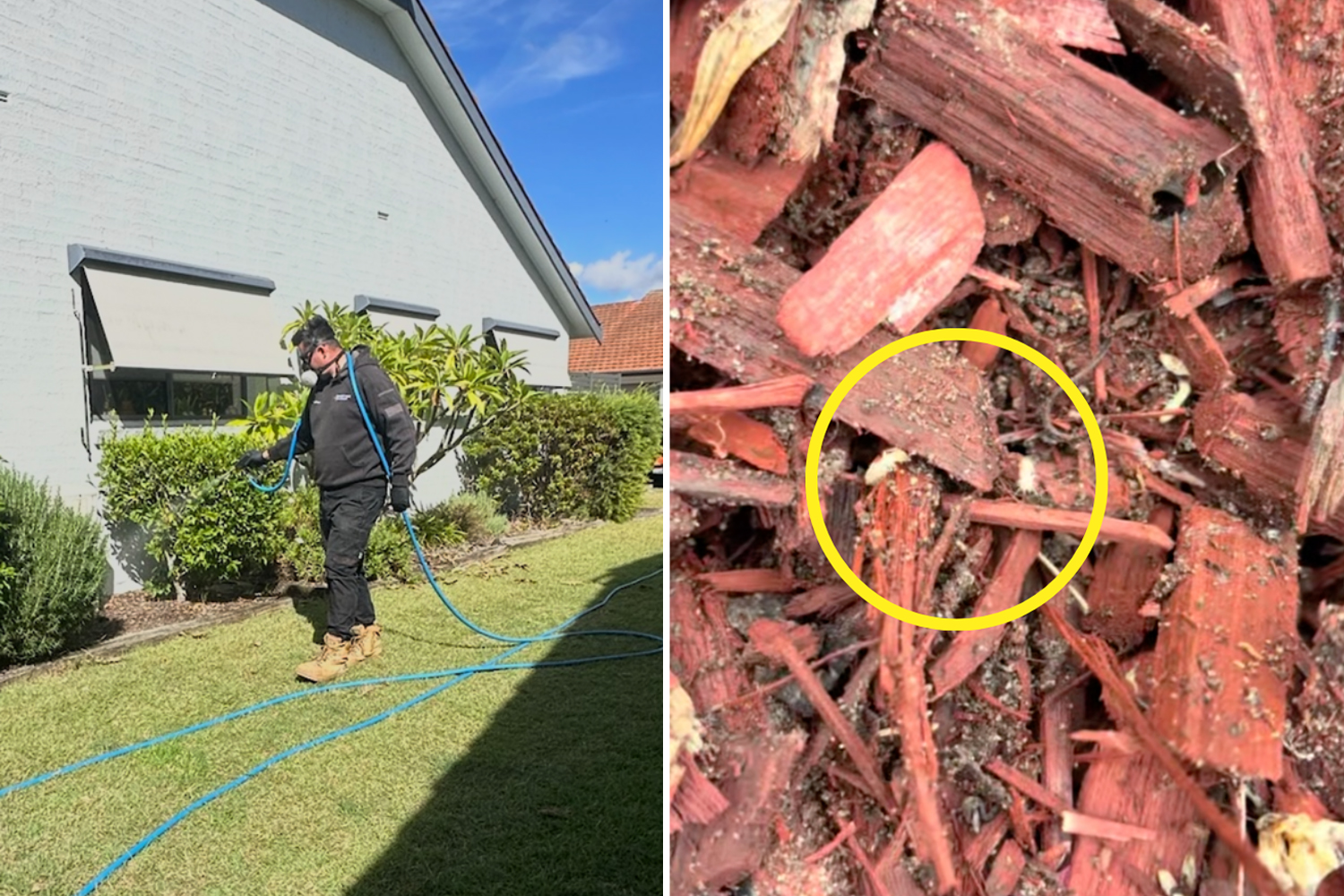
During a recent routine inspection near Lake Macquarie, pest controller Nathan Rich was sifting through mulch outside a property when he discovered several pale white insects. While mulch is commonly used to protect plant roots and improve garden aesthetics, Rich told Yahoo News that it can also be a “breeding ground” for termites.
Now, Rich is issuing a warning to homeowners across the country to rethink the materials that surround their homes. Unlike termite damage inside a house where it eats away at timber, with mulch “there’s no sort of telltale signs”, Rich explained. While you could get lucky and spot the tiny bugs in a pile of mulch, Rich suggests leaving your home’s future to fate is not a good idea.
As terrible as it is to see efforts in a garden slowly die from termites, the result will be even more catastrophic when hungry, pesky termites make their way into your home. Rich said termites have been “everywhere lately”, to the point he is strategising with pest controllers nationwide about prevention.
“I’ve seen more of an uptake in the last probably six to eight weeks … Whether it’s just because of extended humidity levels or the case, I’m not sure,” he said, adding, “It’s a problem within the coastline and the high pressure areas.”
How do I keep termites out of my home?
The best solution to get rid of termites in your home? Make sure they never get inside in the first place, Rich advises. The first step is to schedule an annual or biannual pest inspection. While a regular inspection can set you back about $250 each time, it can save you tens of thousands of dollars in future repairs.
Getting rid of them can cost upwards of $2,500. In one particularly bad case, Rich said the destructive pests cost one of his clients more than $100,000 in damages. Every year, termites cause $1.5 billion in damage to Aussie homes, and standard home insurance typically doesn’t cover it as it’s classified as preventable damage.
“You work out the average lifespan of a [prevention] system, say, estimation of around, four to five years… it’s generally cheaper than your internet,” he said.
Avoid using mulch in your gardens, expert says
His second suggestion: simply don’t use mulch. “When you have mulch around the building or close by, it can be a food source for termites,” he explained. Just one mulch drop-off can cause a major problem, he added.
Instead, he recommends stone or gravel. If you really want to stick with mulch, Rich said to stay vigilant about areas that get damp by watering plants, as that produces carbon dioxide and moisture, which termites are attracted to.
And before you ask if home remedies can work, Rich strongly says “no”. “I’ve also seen comments where they say, ‘oh, you know, my pest controller doesn’t spray for termites. He just tells me to turn the mulch over every now and then’. My first thought is, find yourself a new pest controller,” he said. “You cannot stop termites with home remedies. Your house is your biggest asset at the end of the day,” he said.