
A Mother’s Struggle with Kratom Addiction
Melanie Clark, a 35-year-old opera singer and mother of three, found herself trapped in a cycle of addiction after turning to a convenience store drink to cope with postpartum depression. The drink, called Feel Free, contains kratom, a substance that is not regulated and has opioid-like effects. What began as a way to manage her mental health quickly spiraled into a dangerous dependency.
Clark, from Michigan, described the initial effects of the drink as a temporary relief from the “postpartum fog” she experienced after the birth of her second child in 2022. She was unaware of the risks associated with kratom, which is derived from a plant native to Southeast Asia. The drink, marketed as a natural botanical product, promised renewed energy and focus. However, its addictive qualities soon became apparent.
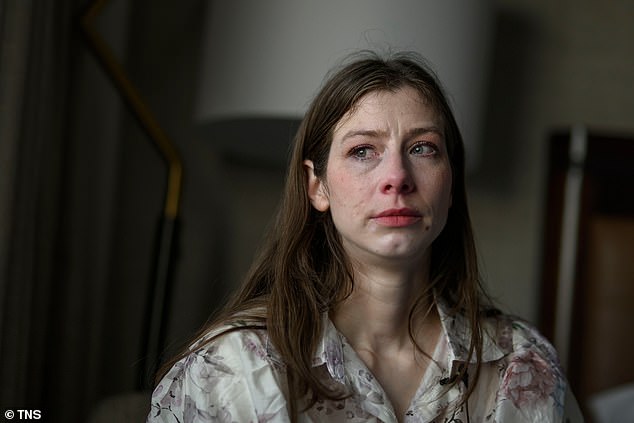
Within three weeks of starting to use the drink, Clark said she was hooked. She told the Detroit News that her consumption increased rapidly, from every few days to daily. At one point, she needed a shot of the drink just to get out of bed. The withdrawal symptoms were severe, causing immediate and intense depression, irregular heartbeats, and extreme exhaustion.

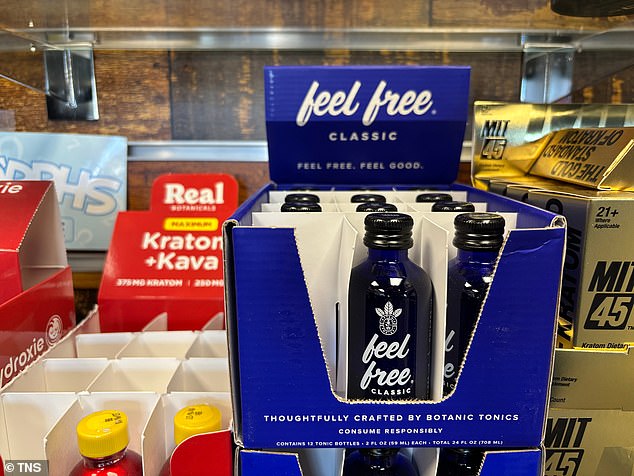
Clark described the first time she tried the drink as an unexpected experience. She recalled it tasting awful but feeling powerful. “It just made me feel like superwoman in terms of energy and focus,” she said. “It just turned my brain into something different.”
Her addiction led to multiple relapses, and she even sought help at a rehab clinic. However, she found that the facility lacked a program specifically for kratom addiction. This forced her to move in with her parents and stay clean during her third pregnancy, which ended in the birth of her son in December 2024.
Unfortunately, this period also triggered another bout of postpartum depression, leading her to experiment with a more potent derivative of kratom called 7-OH. This form, available in tablet form, was cheaper and more potent than the drink. Clark said that using just half a tab was enough to feel the effects, but over time, she needed to take more to achieve the same results.
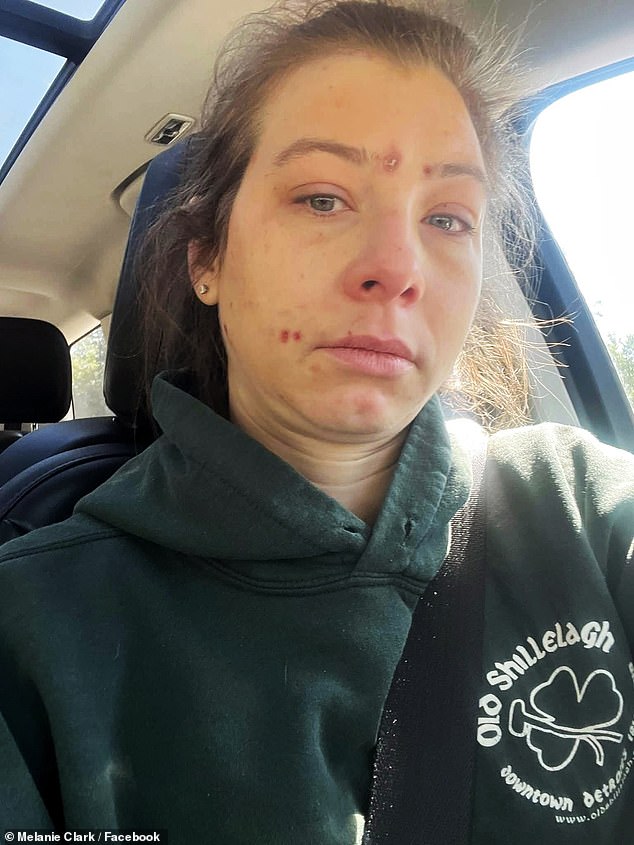
As her dependence grew, Clark and her husband moved to Indiana, where kratom is banned, in an attempt to break free from the drug. However, the withdrawal process was extremely difficult. She described losing sight of reality and experiencing severe health complications, including rapid weight gain due to water retention. Her mother, Dottie Case, shared the family’s concerns, stating that Clark was dangerously sick and almost died several times.
“The stuff will enslave and kill you before you even know there’s a problem,” Case said. “Just because something is called ‘natural’ doesn’t mean it’s good for you.”
The addiction took a toll on Clark’s physical health, causing kidney damage, heart strain, and facial sores. Her mother noted that she looked like a meth addict. Clark described feeling like a “ghost of herself” and being too embarrassed to show her face in public.

After a failed attempt to quit, Clark was involuntarily committed to the psychiatric wing of the University of Michigan Hospital. She later entered an outpatient program and was placed on suboxone, an opiate replacement used to help people detox from drugs.
Now, Clark is advocating for kratom to be banned, citing the risks she faced. “I don’t really feel safe going off that medication until kratom is banned, because I can’t take any risks.”
The drink, produced by Botanic Tonics, comes with warnings about its potency and potential for addiction. The company states that it is not intended for everyone, especially those with a history of substance abuse or pregnant women.
Clark’s story highlights the dangers of unregulated substances and the need for greater awareness and regulation around products like kratom.