Rising Demand for Bicycles in Darwin
Darwin cyclists are facing long wait times for bike servicing as electric bike sales in the Northern Territory capital have surged by up to 300 per cent. This increase is being driven by soaring global fuel prices, which have been exacerbated by the ongoing conflict in Iran. The situation has led to a surge in demand for bicycles, with cycle shops in Darwin struggling to keep up.
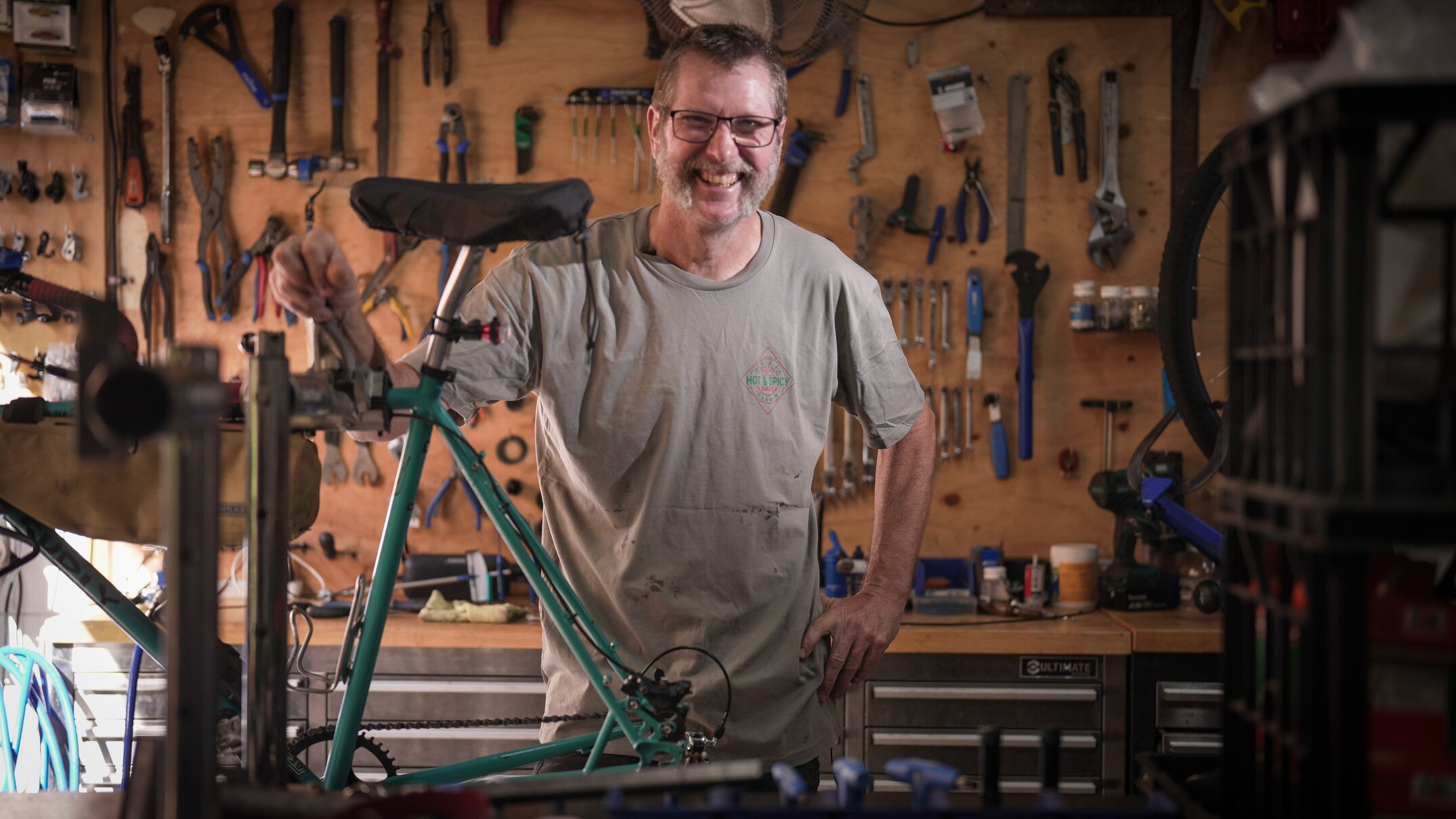
Bicycle Fix owner Philip Rose has noted a significant increase in business. “Compared to this time last year, I’m at least four or five times busier,” he said. Since the war began in late February, which disrupted oil shipments through the Strait of Hormuz, Mr. Rose has seen a steady flow of customers bringing in their old bikes for repairs.
“The cost of living in general was going up, but was not impacting the price at the bowser,” he explained. “But as soon as that started to spike so rapidly, there has been a really big rise in people coming in and wanting to get back on their bike.”
E-Bike Sales Soar
Blue Cycles manager Matt King reported that demand for e-bikes had increased by between 200 and 300 per cent since early March. “This is the most we’ve sold in the electric bike side of stuff since we opened 15 years ago,” he said. “Every second person is conscious of the fuel crisis and general living costs. People are seeing they can get really affordable e-bikes and swap out that second car.”
Gold Coast cyclist Harrison Hoskin has also noticed a shift in his own habits. “Around home, I live pretty close to the beach and everywhere I need to be, so I’ve been trying to ride a bike as much as I can,” he said.
Benefits of Cycling
Bicycle Industries Australia general manager Peter Bourke highlighted that this trend is not unique to Darwin but is occurring across Australia. “More than half of all trips in Australian capital cities were less than 5 kilometres, yet only a fraction were made by bike,” he said. Changing this could have positive impacts on fuel security, congestion, and people’s health.
Despite the increased demand, Mr. Bourke pointed out that the federal government is still prioritising individual cars. “Right now our focus in Australia is very much about every trip should be by car,” he said. “What we really need the government to do is prioritise bikes as one of the key options that people can use to get around cities and towns.”
Mr. Bourke also mentioned that modelling by advocacy group We Ride Australia found e-bike purchase incentives generated a return of almost seven dollars for every dollar invested. “So we know that there’s such a huge economic boost to the economy when people buy and use bikes,” he said.
International Examples
Other countries have taken steps to encourage the use of e-bikes. The United Kingdom and China have implemented various initiatives to promote cycling. Sweden introduced a 25 per cent e-bike rebate in 2018, while the Netherlands spends around $45 per capita on cycling infrastructure annually and provides financial incentives for people who ride to work.
Australia’s federal Department of Infrastructure and Transport acknowledged its efforts to improve e-bike safety and build community confidence. A spokesperson said the government was working with state and territory governments on an overarching framework. They also mentioned a commitment of $100 million to upgrading and creating new bicycle and walking paths, with 30 per cent of approved projects either in construction or complete.
Several states, including the ACT, NSW, and South Australia, offer rebates or interest-free loans to incentivise active transport. Queensland previously offered a $500 rebate for e-bikes, although its funding was quickly exhausted.