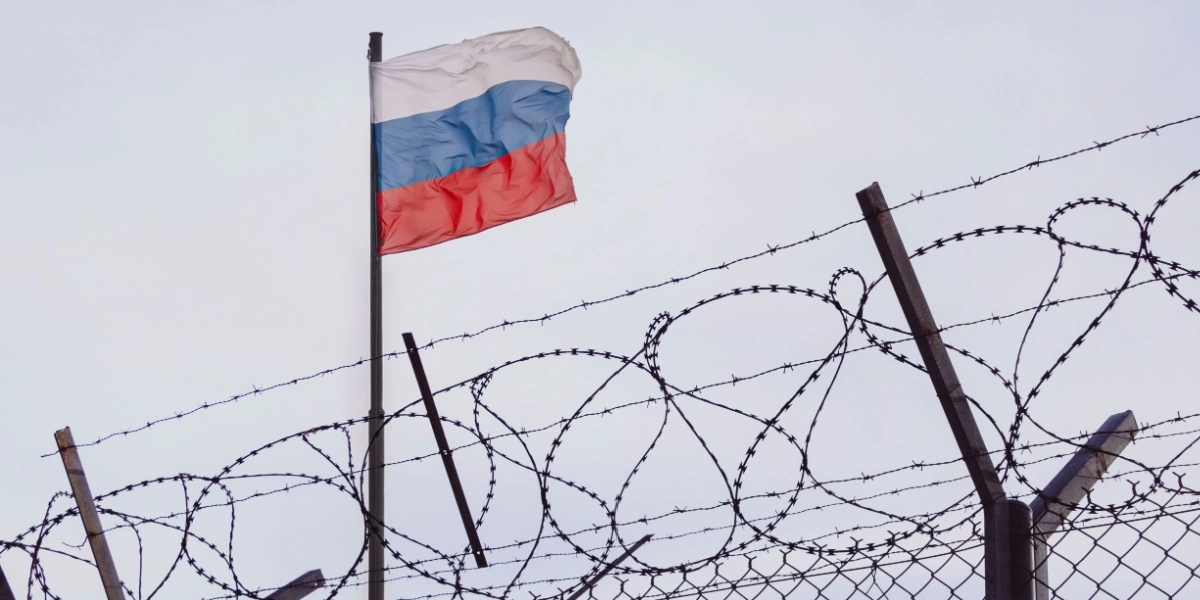
International Research and Academic Challenges in Russia
Researchers around the world often travel to conferences, publish studies abroad, and collaborate with experts from different countries. However, in recent years, scientists in Russia have found themselves under increasing scrutiny as the government imposes stricter controls on sensitive areas linked to national security.
Sentencing of Two Researchers for Treason
In a case that has raised concerns within the scientific community, a court in the Russian region of Novosibirsk has sentenced two researchers who specialized in hypersonic technology to 12 and a half years in prison each. The men were found guilty of treason. The names of the individuals involved are Valery Zvegintsev and Vladislav Galkin.
Zvegintsev was associated with the Khristianovich Institute of Theoretical and Applied Mechanics of the Russian Academy of Sciences, while Galkin served as an associate professor at Tomsk Polytechnic University. Zvegintsev was arrested in April 2023, and Galkin was detained later that same year. Despite the severity of the charges, Russian authorities have not released full details about the accusations. The Novosibirsk Regional Court confirmed the verdict in a treason case but did not publicly identify the defendants.
Possible Links to International Work
Following Zvegintsev’s arrest, colleagues suggested that the case may be connected to his international academic activities. They highlighted his participation in research projects, attendance at conferences outside Russia, and publications in scientific journals. These factors have led to speculation that his work may have been seen as a threat to national security.
The institute where Zvegintsev worked later issued an open letter in his support. Staff members argued that his research had undergone official reviews and did not contain classified information. According to reports from the state news agency TASS, the investigation may have been linked to an article about gas dynamics published in an Iranian scientific journal.
A Growing Trend in Prosecutions
This case is part of a broader pattern affecting Russia’s scientific community. In recent years, several researchers working in advanced technology fields have faced prosecution. One similar case involved Aleksander Shiplyuk, the former director of the same institute. In September 2024, he was sentenced to 15 years in a maximum security prison on comparable treason charges.
The increase in such cases has sparked concern among scientists in Russia. Many fear that international collaboration and open scientific exchange are becoming increasingly risky, particularly in areas related to defense technology and aerospace research.
Impact on Scientific Collaboration
The growing number of prosecutions has raised questions about the future of scientific collaboration in Russia. Researchers who previously engaged in international projects now face the possibility of legal consequences, which could deter future cooperation. This shift may also affect the global standing of Russian science, as researchers may be less inclined to share their findings or participate in international initiatives.
Conclusion
The case of Zvegintsev and Galkin highlights the challenges faced by scientists in Russia, especially those working in sensitive fields. As the government continues to tighten its grip on national security-related research, the scientific community is left navigating a complex and uncertain landscape. The implications of these developments extend beyond individual cases, potentially reshaping the way science is conducted and shared in the country.