Mazda is reportedly considering the introduction of a new model that could serve as a bridge between two of its most popular SUVs. This potential addition to the lineup has sparked interest among automotive enthusiasts and industry observers alike.
The Japanese carmaker recently filed a trademark application with the United States Patent and Trademark Office (USPTO) for the name Mazda CX-40. Notably, the CX-40 name has been trademarked in Australia since 2019, suggesting that Mazda may have been planning this move for some time.
While trademarks do not necessarily indicate that a vehicle will be produced, they can be a strategic move to secure a name before another manufacturer does. Mazda has not yet confirmed whether the CX-40 will become a reality, but the company has been actively exploring new models and concepts.
If the CX-40 does make it to production, it is expected to sit between the CX-30 and CX-5 in Mazda’s lineup. This positioning would place it in a competitive segment, offering buyers a mid-size SUV that combines the practicality of the CX-30 with the more rugged features of the CX-5.
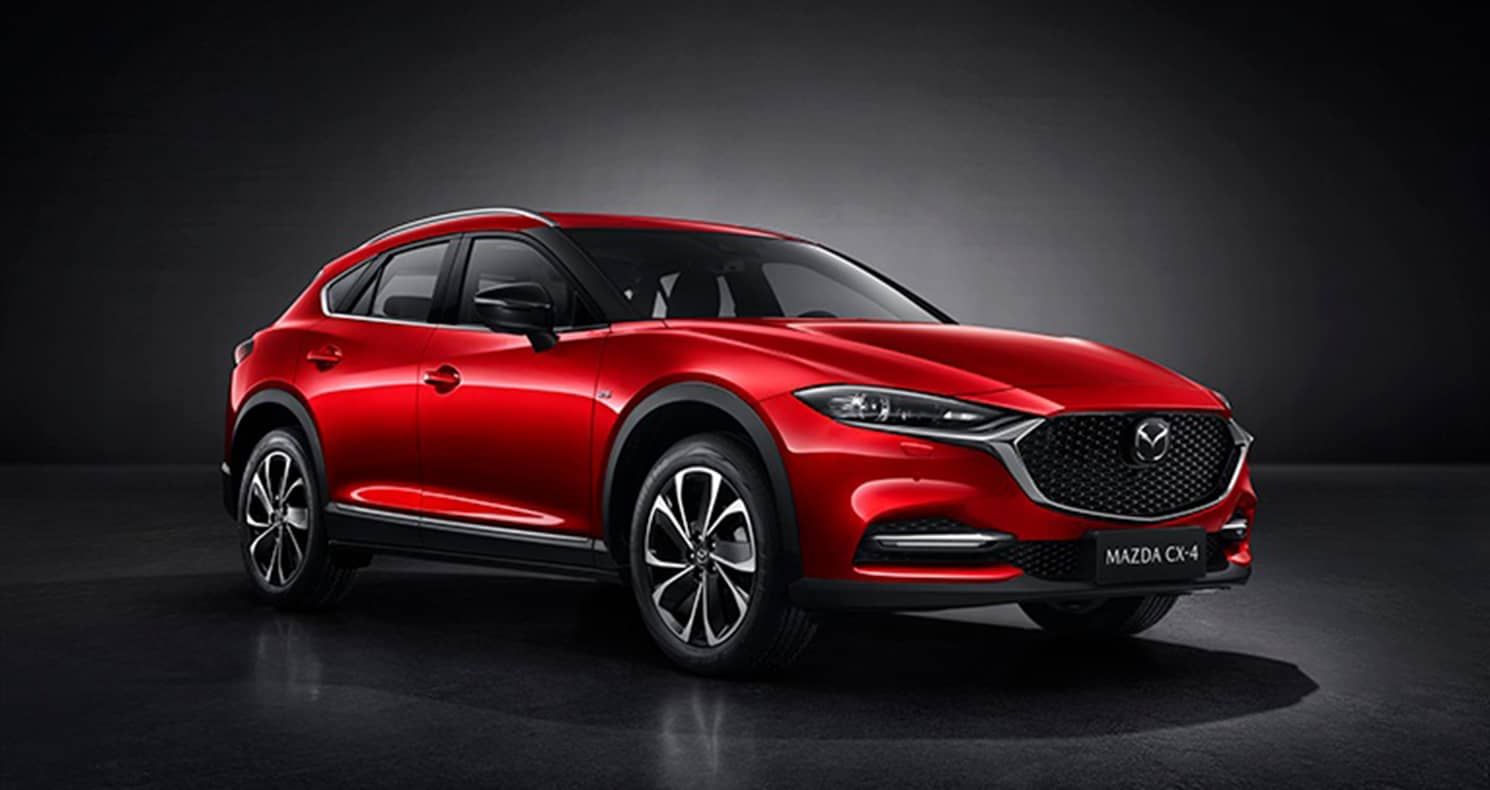
Mazda has a history of using numbers in its SUV names, and the CX-40 is not the first instance of this. The company previously released the Mazda CX-4 from 2016 to 2025, which was exclusively sold in China. Based on the same platform as the previous-generation Mazda 3 and first-generation CX-5, the CX-4 featured a lifted station wagon body style. If the CX-40 follows a similar pattern, it could adopt a sleek, wagon- or coupe-like design.
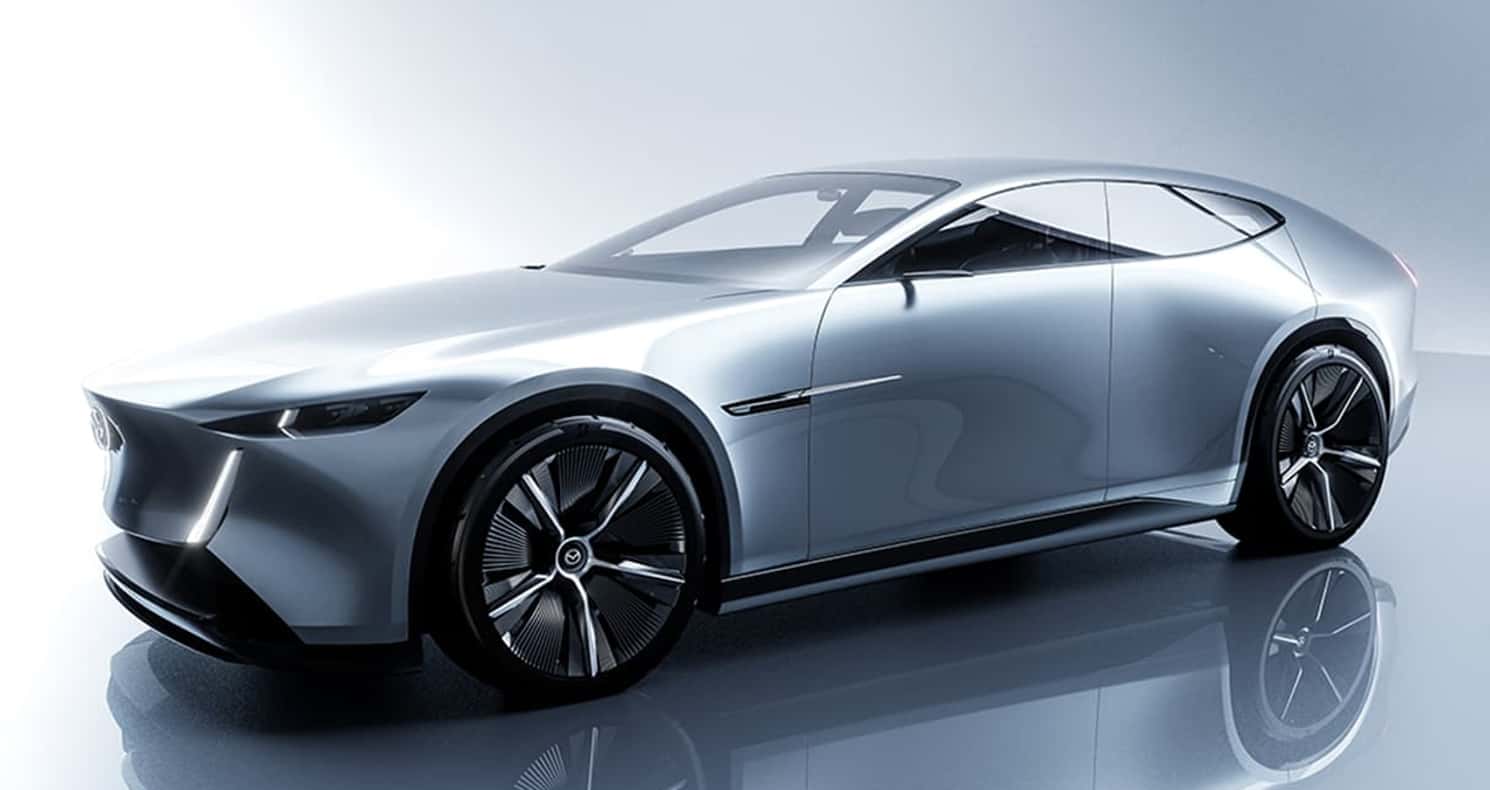
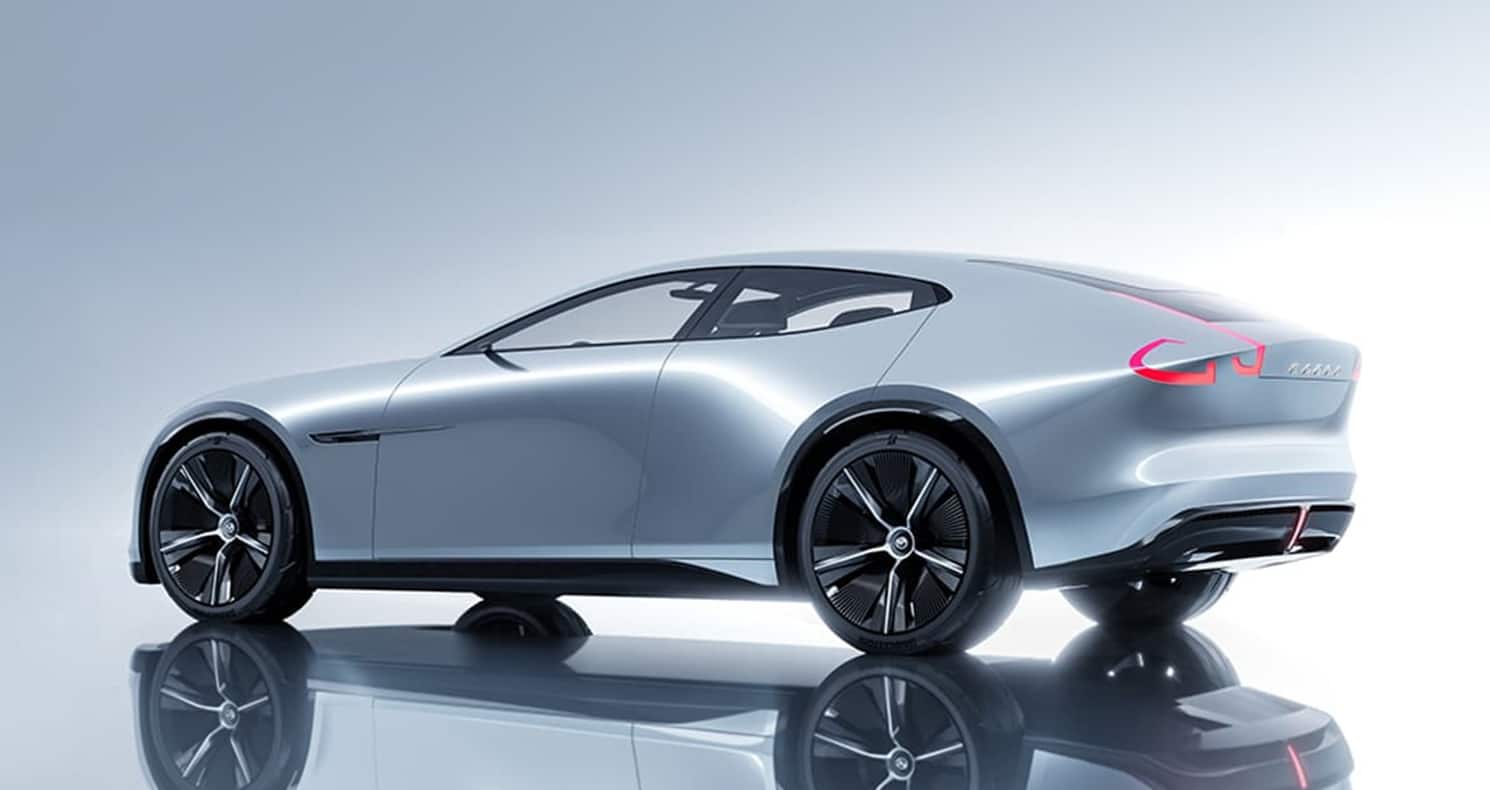
This potential design direction could also draw inspiration from the Mazda Vision X-Coupe concept, which was unveiled at last year’s Tokyo Motor Show. The Vision X-Coupe showcased a bold and modern aesthetic, hinting at what future Mazda models might look like.
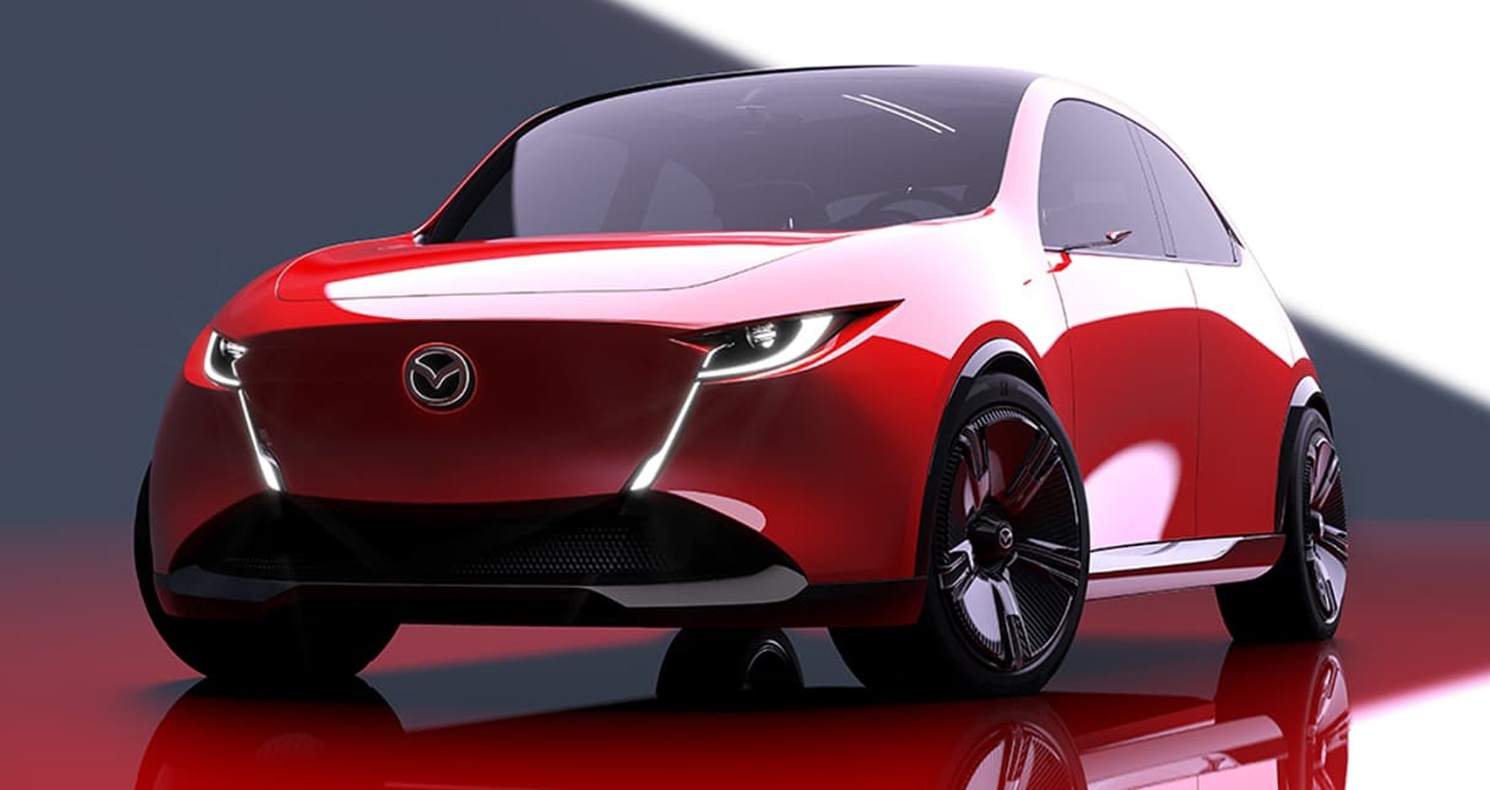
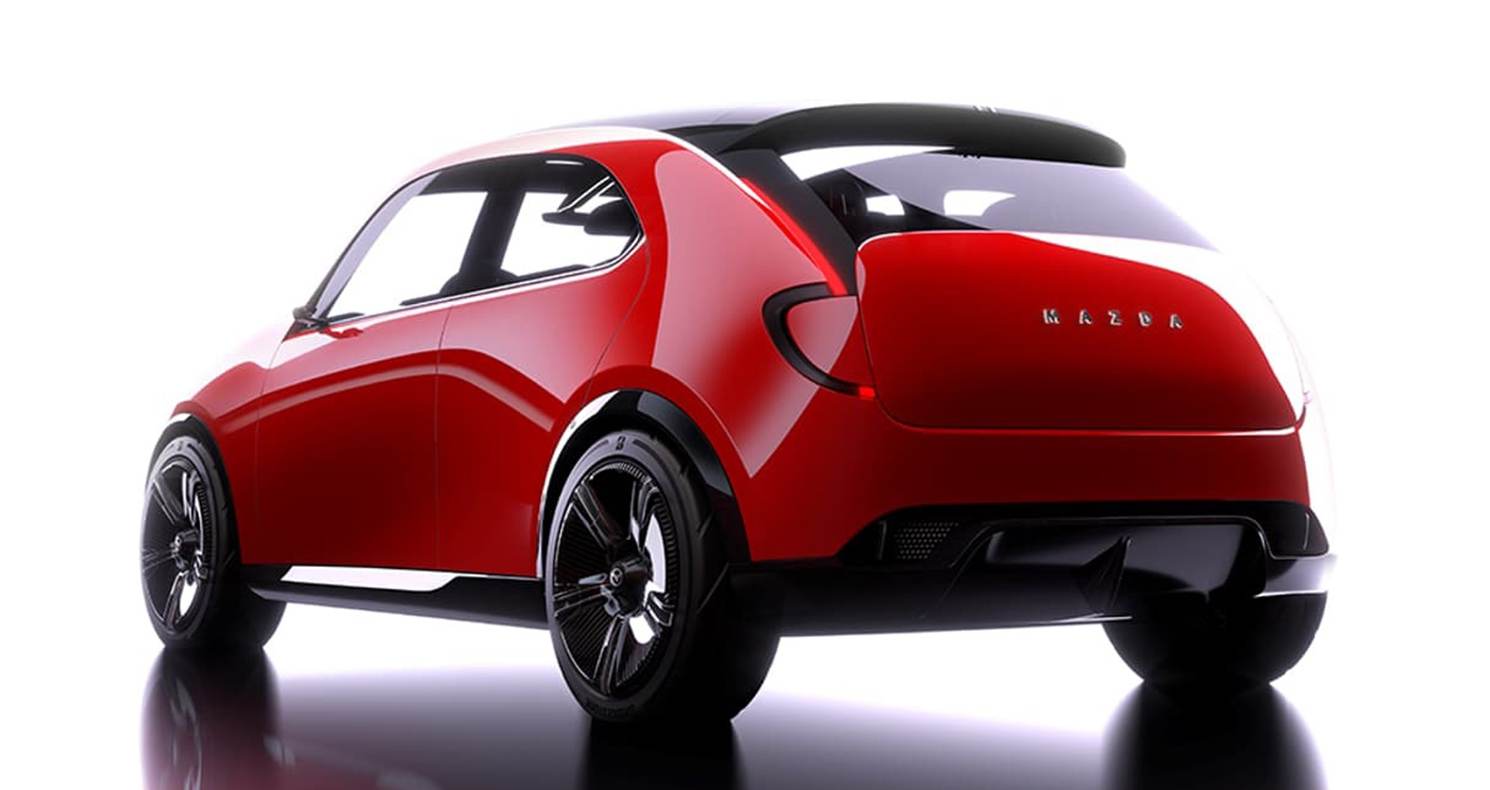
In addition to the CX-40, Mazda has also secured trademarks for the names CX-10 and CX-20 in several countries, including Australia. While it is unclear if these models will be built, Mazda has been active in showcasing new concepts. For example, the Vision X Compact concept was revealed at the Tokyo Motor Show, offering a glimpse of what could be a next-generation Mazda 2 with subtle crossover SUV design elements.
Mazda has also made significant investments in its production facility in Thailand. This facility will be responsible for building a new compact SUV, potentially equipped with a hybrid powertrain, as well as electric vehicles (EVs). This move underscores Mazda’s commitment to expanding its product range and adapting to changing market demands.