The Future of Space Exploration: From the Moon to Mars
Now that the Artemis II astronauts have successfully circled the moon and returned safely to Earth, the next big question is: what comes next? For NASA, the United States’ space agency, the focus remains on the moon. However, this isn’t just about revisiting a familiar destination. Private entrepreneurs, who have played a significant role in revitalizing American spaceflight, are preparing new human landing systems that could make a long-term lunar presence feasible. The message is clear: we’re coming back, and this time, it’s for the long haul.
But returning to the moon is only part of the story. It’s all part of a much bigger and more ambitious plan — one that looks toward Mars. The moon serves as a critical waystation for future missions to the red planet. Without a solid foundation on the moon, achieving the goal of sending humans to Mars would be far more challenging.
As someone who once served as NASA’s first-ever program director for Mars — essentially the nation’s Mars czar — I’ve seen firsthand the challenges of reaching the red planet. In 1999, two major failures shook the space community: the Mars Climate Orbiter, which was lost due to a mix-up between metric and imperial units, and the Mars Polar Lander, which crashed because of a software error. These setbacks were humbling but also instructive. They highlighted the complexity of space exploration and the importance of precision.
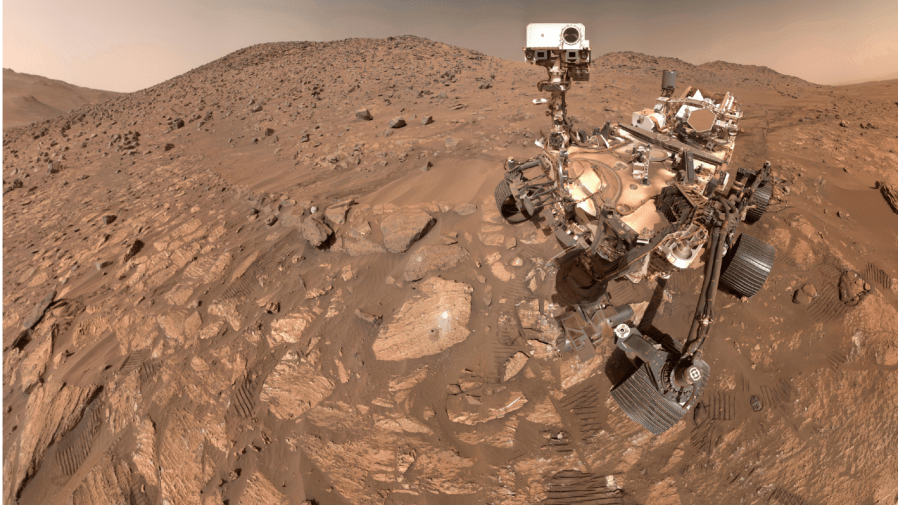
Over the past 20 years, NASA has made significant strides with multiple successful missions to Mars. Missions like Mars Odyssey, Spirit and Opportunity, Mars Reconnaissance Orbiter, Phoenix, MAVEN, and Curiosity have provided invaluable insights into the planet. More recently, the Perseverance rover landed on Mars in 2021. While the world grappled with a pandemic, Perseverance continued its work, collecting samples and capturing images. Today, it still roams the Martian surface.
However, as older machines reach the end of their operational lives, support for Mars missions has begun to wane. Worse yet, recent budget allocations for Mars missions have seen a sharp decline. Despite these challenges, there is still hope. Inside the belly of Perseverance, there are samples that may hold clues about ancient life on Mars. Bringing these samples back to Earth is not just a scientific imperative; it’s an engineering challenge that could help us develop the systems needed for future human missions to Mars.
The retrieval of these samples is more than just a scientific milestone. It represents a crucial step in proving that we can launch from Earth, land on Mars, and return safely. Even if the first returnees are just sample vials, this mission would be a significant achievement. It would lay the groundwork for future human exploration of the planet.
NASA’s budget is under scrutiny, and current reports suggest that the only viable trips to Mars will be low-cost projects that piggyback on other launches. However, Congress has already indicated that the president’s budget request for NASA is unacceptable and may be revised, as it was last fiscal year. Still, the details for Mars missions remain unclear, especially regarding the planning for sample retrieval and the eventual human missions.
Ignoring Mars is incompatible with NASA’s stated goal of “moon to Mars.” It doesn’t matter that sending humans to Mars is still in the planning stages. Given the typical development time for such projects, work must begin now to ensure readiness for the first Mars-bound astronauts.
Key steps include high-resolution imaging of potential landing sites, searching for usable resources like ice, and addressing concerns about soil toxicity. Human health experts are particularly worried about the risks posed by Martian soil, and these concerns need to be addressed through sample retrieval.
Demonstrating that we can launch from Earth, land on Mars, and return safely is a worthy mission. This kind of robotic demonstration, similar to what was done before the first moon landings, is essential for preparing for human missions. Success will require leadership that can bridge the gap between human spaceflight and science. The right people can be inspired — just as they were during the Apollo era — to take on the challenges of space exploration.
Private companies working with NASA are also eager to play a role in lifting payloads and people into space. There is no shortage of ingenuity when vision and budget support a credible plan.
In the wake of the successful splashdown of Artemis II, returning to the moon is the next logical step. Establishing a base there will provide valuable lessons. But Mars needs renewed attention now — not as an end in itself, but as the purpose behind the lunar base. Rather than retreating from space, as suggested by the new proposed budget for NASA, the nation should aim higher.
After the moon, the next stop is Mars.