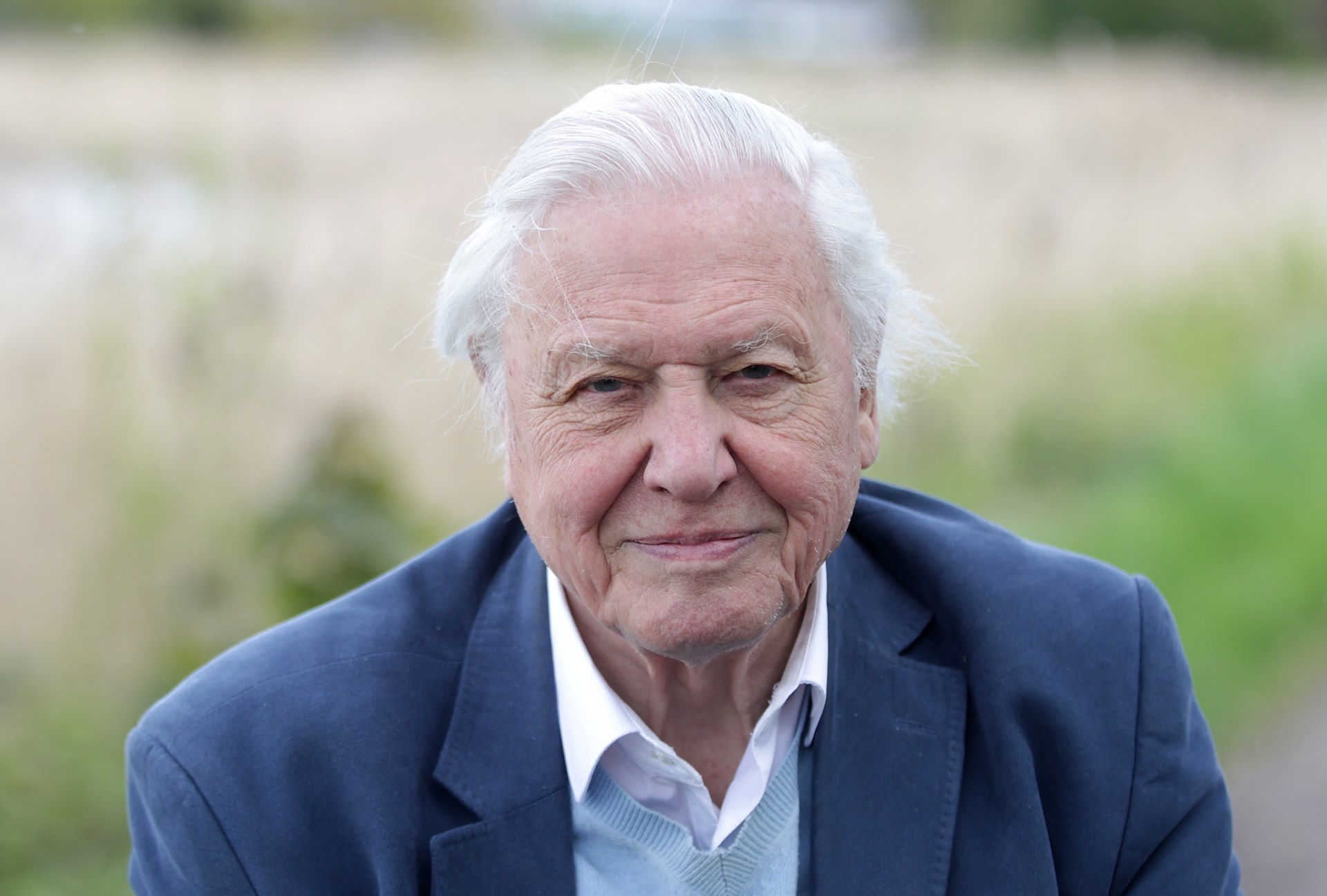
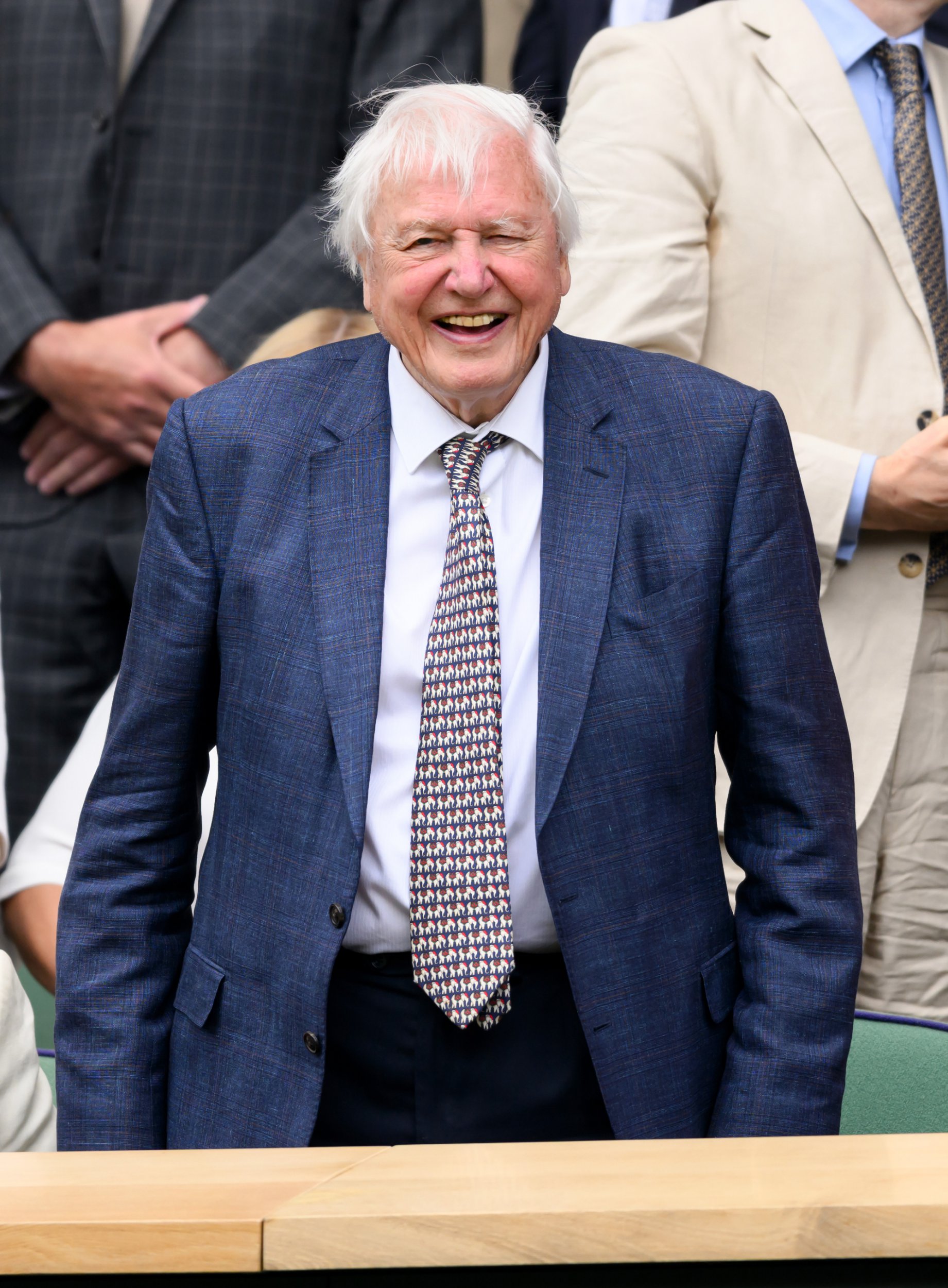
Sir David Attenborough has spent a century on this planet, and during that time, he has left an indelible mark on the world. As a natural historian and broadcaster, he has inspired millions with his passion for the animal and plant kingdoms. His work has not only educated the public but also shaped the way people view and understand nature. Now, as he celebrates his 100th birthday, it’s clear that his influence is far-reaching and enduring.
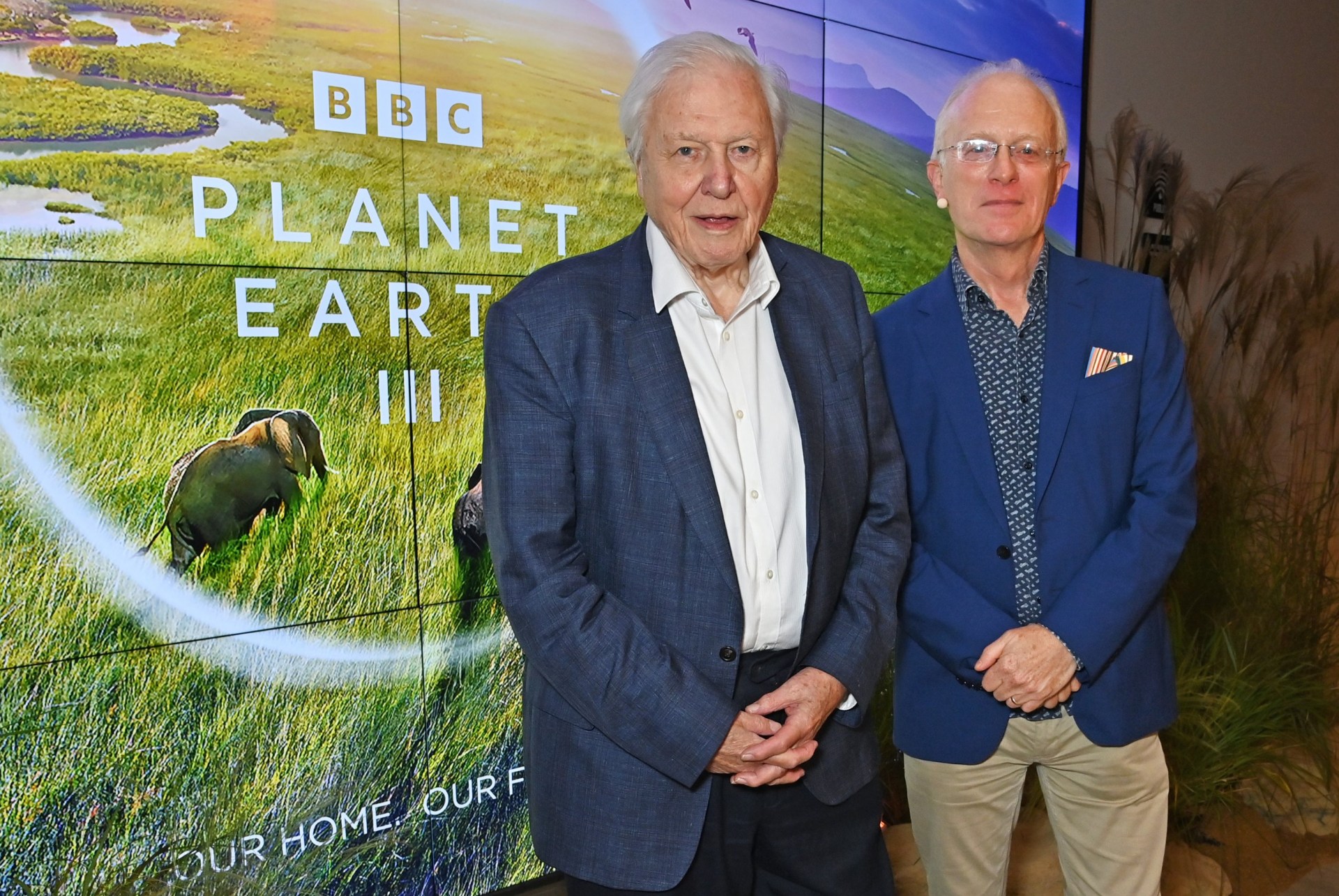
Mike Gunton, who worked as an executive producer on the acclaimed documentary series Planet Earth III, shared some interesting insights about how Sir David should be addressed. According to Mike, there’s one thing that should never be used when referring to the legendary broadcaster. He explained that Sir David isn’t particularly fond of being called a ‘national treasure’, a title that many in the UK have given him.
Mike has collaborated with Sir David for decades, starting with the BBC documentary The Trials of Life: A Natural History of Behaviour in the late 1980s. Initially, the programme was meant to be Sir David’s final series, but as we all know, that prediction was completely wrong. Since then, Mike has been involved in several other projects, including The Green Planet, Dynasties, Planet Earth II, and Africa, all of which featured Sir David’s distinctive narration.
During a conversation in 2024 ahead of the Planet Earth III Live in Concert event, Mike reflected on their long-standing collaboration. He noted that while Sir David is often referred to as a ‘national treasure’ in the UK, he doesn’t seem to appreciate that label. “He hates it,” Mike said. “If anyone calls him a national treasure, he slightly raises his eyebrows and says, ‘Really?’ That’s a generational thing.”
Despite the title, Sir David’s work is undeniably significant. His documentaries have brought the wonders of the natural world into homes across the globe. From the depths of the ocean to the vastness of the savannah, his storytelling has captivated audiences and raised awareness about the importance of conservation.
Mike highlighted that what makes Sir David unique is his genuine passion for sharing knowledge. “He’s not interested in himself at all,” he said. “He’s just interested in telling you, in the most interesting and joyful and intense way, what’s exciting and interesting about this piece of natural history. That’s unfakeable – that only comes from fantastic knowledge and fantastic passion.”
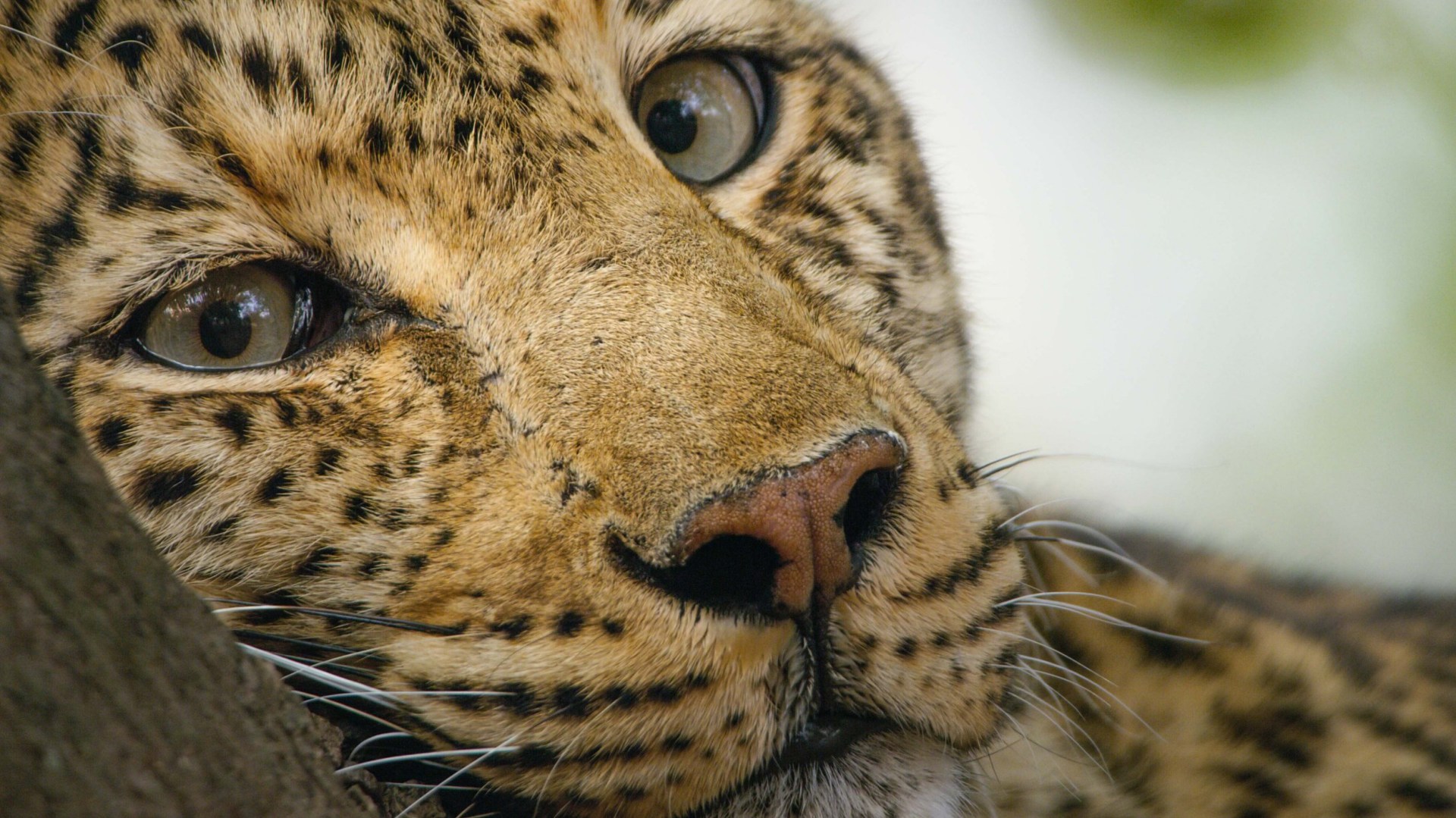
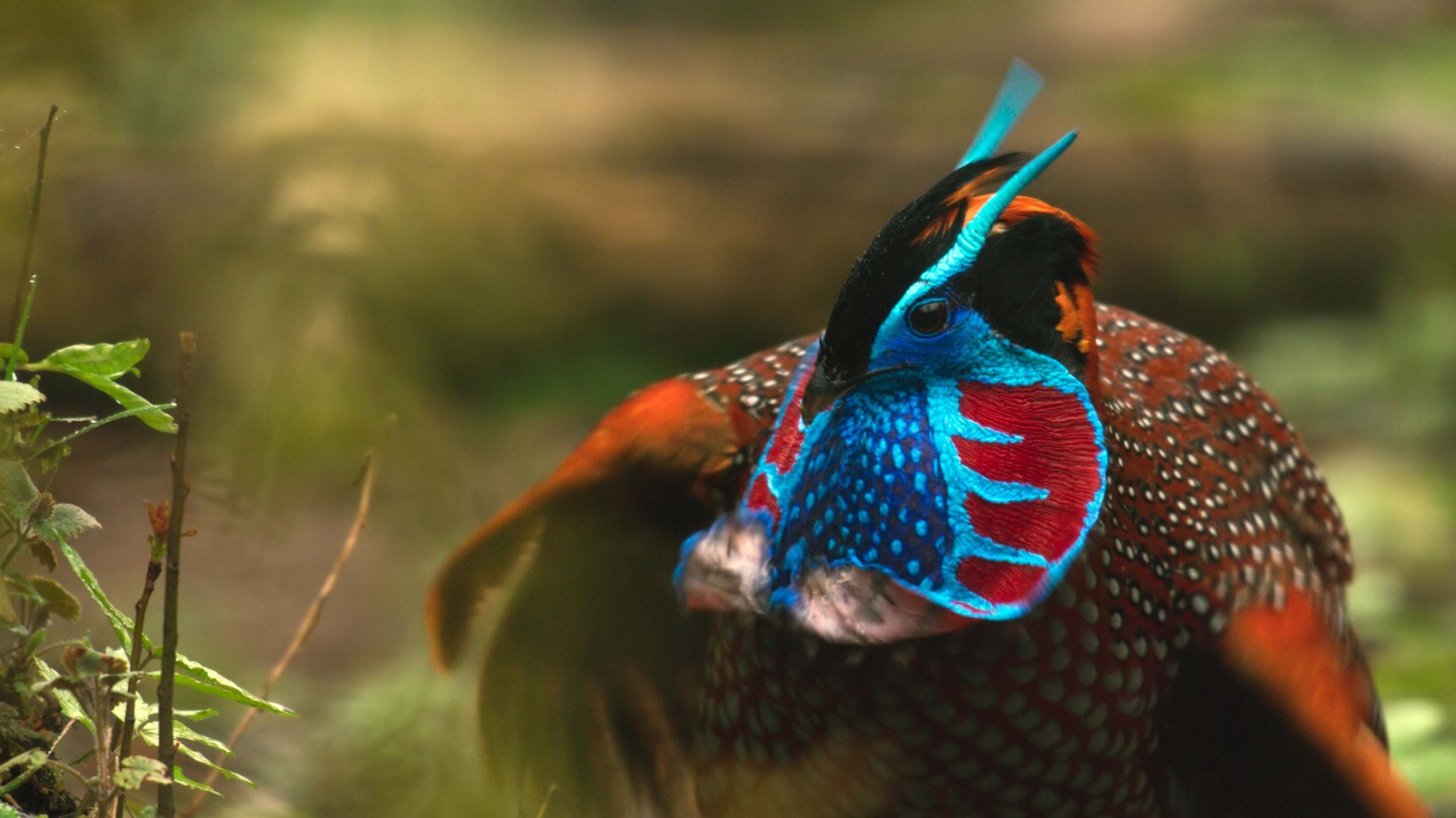
Even at the age of 98, Sir David continues to show an unbridled curiosity. He remains engaged with science and absorbs new knowledge. This dedication is evident in his work on Planet Earth III, released in 2023. The production team pushed the boundaries of what was possible, using advanced technology to capture rare footage of blue sharks and humpback whales. They filmed in 43 countries, achieving several world firsts.
For those looking to explore more of Sir David Attenborough’s work, there are numerous platforms where his documentaries can be found:
Available on BBC iPlayer:
– Planet Earth trilogy
– Blue Planet I and II
– Frozen Planet I and II
– Africa
– Asia
– Life (of Birds, on Earth)
– Zoo Quest in Colour
– Dynasties I and II
– Secret Garden
Available on Netflix:
– David Attenborough: A Life on Our Planet
– Secret Lives of Orangutans
– Life in Colour
– Our Planet I and II
Available on Disney+:
– Ocean with David Attenborough
– Secrets of Wild India
Available on Apple TV:
– Prehistoric Planet
Sir David Attenborough’s legacy is one of education, inspiration, and a deep love for the natural world. His work continues to resonate with audiences around the globe, reminding us of the beauty and fragility of our planet.