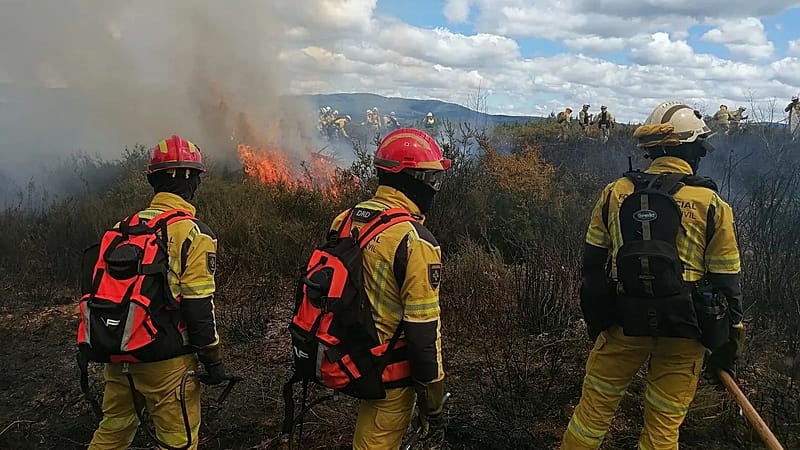
Portugal is getting ready for the upcoming wildfire season with a large-scale exercise that involves over 700 personnel from six European countries. The drill, which took place in the town of Macieira, saw teams from Cyprus, Spain, France, Poland and the Czech Republic working alongside their Portuguese counterparts to simulate a large, fast-spreading rural fire.
The European civil protection exercise, known as PT EU MODEX 2026, was conducted using real resources on the ground and simulated operational scenarios that affected large areas of forest and several residential zones. However, there was no real risk to the local population during the exercise.
Organized by the National Emergency and Civil Protection Authority (ANEPC) in collaboration with the international consortium APELL-EUROMODEX, the exercise aimed to test and improve the joint and integrated response capacity at both national and European levels when facing complex emergency situations, particularly focusing on rural fires.
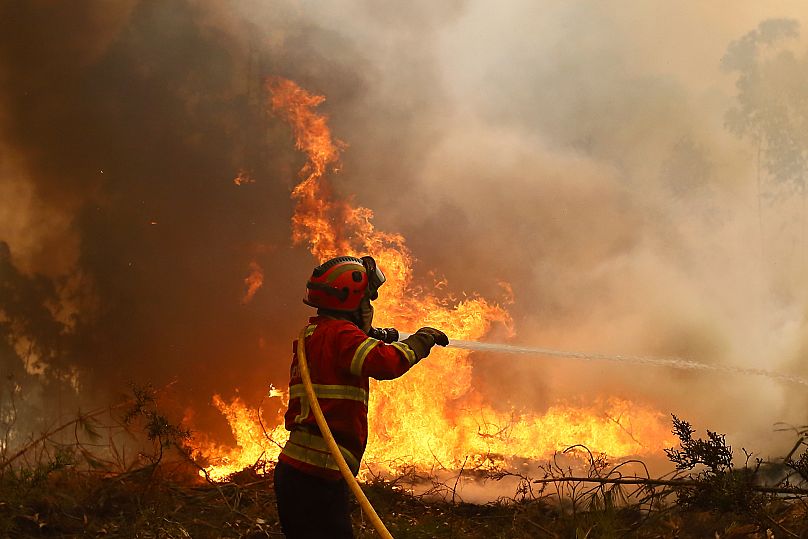
In addition to fighting wildfires, the exercise also tested the evacuation of populations, support for affected communities, the coordination of national and international resources, and the reception and integration of foreign teams.
The EU MODEX exercises, funded by the European Union, are designed to strengthen international cooperation and ensure a more effective and coordinated response in disaster situations.
During the first day of the exercise, work was carried out on coordinating, setting up, and organizing the operation, which was essential for the start of the simulated scenario. An alert situation was also declared in the municipality, and the Municipal Emergency and Civil Protection Plan was activated.
Miguel Ângelo David, the commander of the Viseu Dão Lafõe Sub-regional Emergency and Civil Protection Command, mentioned that one of the issues tested was the self-sufficiency of the modules in terms of food, transport logistics, overnight stays, and rotation of operatives.
“It’s not a normal exercise, like a drill. We’re playing with the time factor, but above all we’re talking about procedures. In the end, the international modules will obtain their certification or recertification [from the European Union’s Civil Protection Mechanism],” he said.
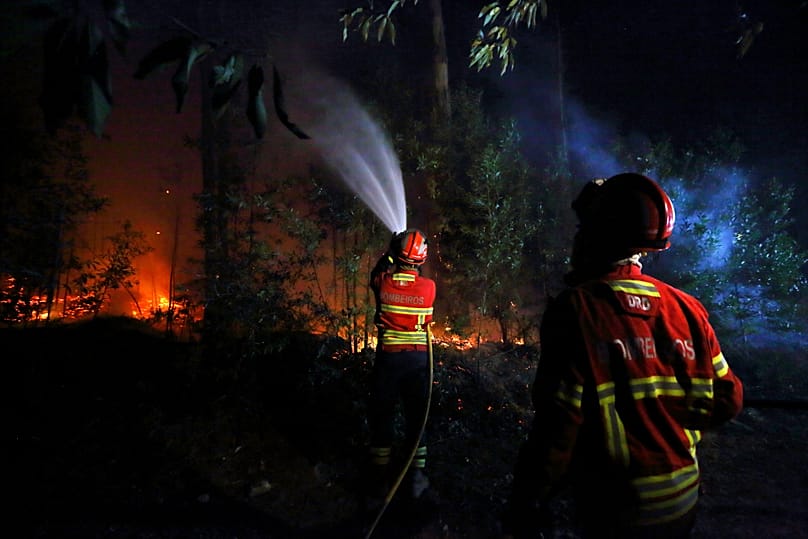
Last year, Portugal deployed thousands of firefighters to combat fires as temperatures soared, with the majority of the country on high alert for heat risk. According to the National Institute for Nature Conservation and Forests (ICNF), by mid-July, wildfires had burned through 10,768 hectares of land, three times more than in the same period last year.
The ICNF also noted that fires in the country have become more aggressive since 2017. This trend highlights the importance of preparedness and the need for continuous improvement in firefighting strategies and international cooperation.
The exercise in Macieira serves as a crucial step in ensuring that Portugal and its European partners are well-equipped to handle the challenges posed by wildfires. By simulating real-life scenarios and testing various aspects of emergency response, the exercise helps identify strengths and areas for improvement.
Key elements of the exercise included:
- Coordination and organization of the operation
- Activation of the Municipal Emergency and Civil Protection Plan
- Testing the self-sufficiency of modules in terms of food, transport logistics, overnight stays, and rotation of operatives
Through such exercises, Portugal and its European partners can enhance their ability to respond effectively to wildfires and other natural disasters. The lessons learned from these simulations are invaluable in improving preparedness and ensuring the safety of communities across the region.