The Link Between Sleep Deprivation and Brain Health
Recent research has uncovered a concerning connection between sleep deprivation and brain function, revealing that even a single night without enough rest can have effects similar to those seen in Alzheimer’s disease. Scientists from the University of Ibadan in Nigeria conducted a comprehensive review of medical studies over the past 25 years, focusing on how lack of sleep impacts memory, brain function and overall cognitive health.
The study found that just one night of insomnia or restless sleep can cause widespread issues in the brain. These include weakened connections between brain cells, increased inflammation that harms memory, a buildup of toxins and a reduction in the creation of new brain cells. These problems are eerily similar to those associated with Alzheimer’s disease, a long-term degenerative condition that affects memory, thinking and behavior.
How Sleep Affects the Brain
The researchers emphasized that adults aged 18 to 64 should aim for seven to nine hours of sleep each day, while younger children require even more for proper brain development. Many people, especially young adults, may attempt to stay up all night for work or school, but the findings suggest this strategy is not effective. Instead, it leads to difficulties in learning, remembering, making decisions and processing emotions.
One key area of the brain affected by sleep deprivation is the hippocampus, which plays a crucial role in converting short-term memories into long-term ones. During sleep, the brain replays daily experiences through electrical waves known as ‘sharp wave ripples.’ These waves help store memories for future recall. However, without sufficient sleep, the hippocampus begins to function poorly, leading to weaker neural connections and an accumulation of harmful waste.
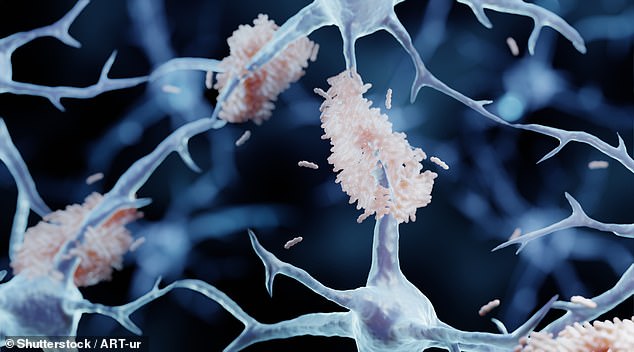
Even a single night of poor sleep can trigger a downward spiral, resulting in reduced memory replay and higher levels of toxic proteins such as beta-amyloid and tau. These changes mimic early signs of Alzheimer’s disease, as patients with the condition also show significant buildups of these proteins.
Reversing the Effects of Sleep Deprivation
Unlike Alzheimer’s, which has no cure, the damage caused by sleep deprivation is usually temporary and can be reversed with improved sleep habits. The researchers highlighted several steps individuals can take to support their brain health:
- Maintain a consistent sleep schedule: Going to bed and waking up at the same time every day helps regulate the body’s internal clock.
- Limit screen time before bed: Blue light from phones and computers can interfere with the production of melatonin, the hormone that regulates sleep.
- Create a sleep-friendly environment: Keeping bedrooms cool, dark and quiet promotes better sleep quality.
- Take short naps: Naps of 10 to 30 minutes during the day can help restore memory, attention and mood after a sleepless night.
The Importance of Sleep for Cognitive Function
Sleep is essential for the brain to function properly. During rest, the brain actively strengthens and stores memories formed throughout the day. Without enough sleep, this process is disrupted, leading to cognitive impairments and emotional challenges.
The study underscores the need for individuals of all ages to prioritize sleep. By adopting healthy sleep habits, people can protect their brain health and reduce the risk of long-term cognitive decline.