The Return of V8s to Formula 1
Formula 1 has been undergoing significant changes in recent years, with a focus on sustainability and innovation. One of the most talked-about developments is the potential return of V8 engines to the championship by 2031. This shift has sparked discussions among former drivers and commentators, including David Coulthard and Will Buxton, who have shared their perspectives on the matter.
FIA president Mohammed Ben Sulayem has confirmed that the return of V8 engines is on the horizon. He stated, “It’s coming,” adding that the FIA will have the authority to implement this change without needing approval from power unit manufacturers (PUMs). Sulayem emphasized that while the initial target is 2031, there is a possibility of introducing the V8s a year earlier if feasible. He explained, “We want to bring it one year earlier, which everyone [externally] now is asking for. When you try to tell them [the PUMs] they say no, but what will come, will come, and it [the power] will come back to the FIA.”
He added, “I’m targeting 2030. One year before the maturity [of the regulations]. It will happen.” This statement highlights the FIA’s commitment to making the change happen, regardless of resistance from other stakeholders.
Perspectives from Former Drivers
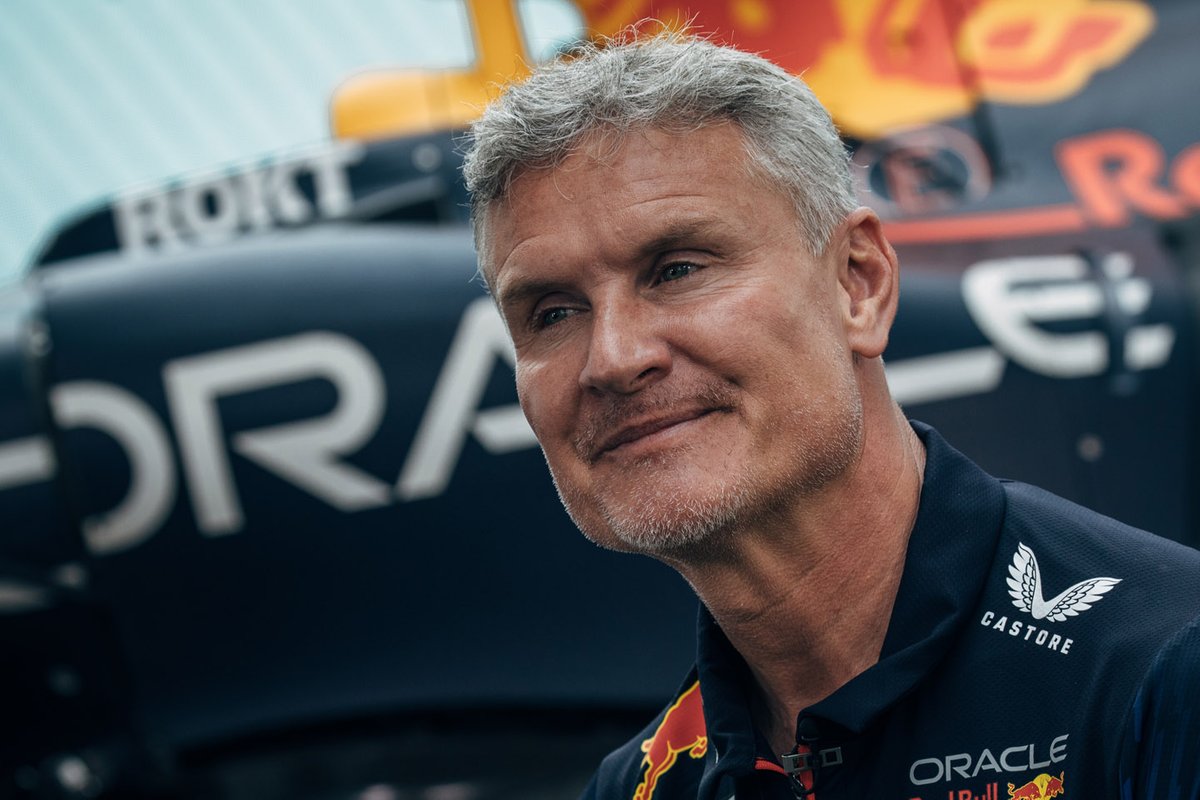
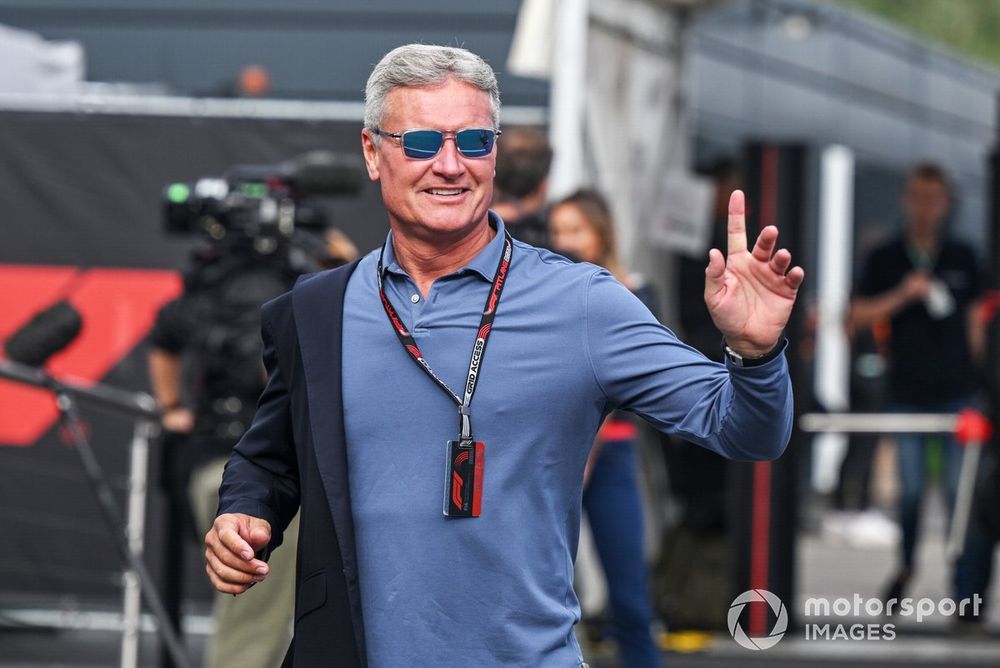
Will Buxton and David Coulthard have both expressed support for the upcoming changes during an episode of the Up To Speed podcast. Buxton acknowledged that while he may not be a fan of all aspects of Sulayem’s leadership, he is particularly supportive of the move to reintroduce V8 engines.
“Listen, I’ve been on the record saying this already. There’s not a lot about Mohammed Ben Sulayem’s reign of terror that I am particularly a fan of, but this I am very much so, because this returns us to something that the fans want, that the drivers want. We’ve had so many discussions this year about the regulations, but they were always going to be a short-term regulation until this big one took place in 2030/2031. And if it’s a return to proper engines, the kind that were your bread and butter, DC, I am all for it. Sign us up.”
Coulthard also weighed in, offering his perspective on the potential benefits of returning to naturally aspirated engines. He noted that the FIA is addressing concerns over the next few years, and that there are environmental advantages to using biofuels and recyclable materials.
“You can take all of those engine parts, crush them down, melt them, and then reuse them again, which isn’t the case currently with electrification and when batteries have reached the end of their life. So I don’t necessarily think that Formula 1 started its journey 76 years ago as a, ‘We’re going to do something that changes the planet.’ I think it started on the basis of designers and engineers trying to create the most powerful, fastest vehicles around a racetrack, and then finding someone brave enough to put a leather helmet on, sit on top of a fuel tank and go out around the race track.”
Environmental Considerations
The debate around the future of Formula 1 engines is not just about performance—it also involves environmental responsibility. Coulthard pointed out that the sport could adopt naturally aspirated engines running on biofuels, which would allow for zero emissions and full recyclability of engine components. This approach aligns with the growing emphasis on sustainability across motorsport.
While the transition to electric power units has been a major focus in recent years, the idea of bringing back V8 engines represents a different path—one that could appeal to traditionalists and fans who miss the sound and feel of these powerful engines.
Looking Ahead
As Formula 1 moves forward, the decision to reintroduce V8 engines by 2031 or 2030 could mark a significant shift in the sport’s identity. Whether this change will be implemented as planned remains to be seen, but the conversations around it highlight the ongoing balance between tradition, performance, and sustainability in the world of Formula 1.