
A Unique Perspective on Near-Death Experiences
A scientist who has worked with NASA claims to have clinically died three separate times and says each experience felt almost exactly the same. Ingrid Honkala, now 55, says she experienced what are known as near-death experiences as a toddler, again in her mid-20s and later during surgery in her 50s. Despite the wildly different situations involved, she believes each one led her into the same strange state of peace and awareness beyond her physical body.
The oceanographer says that the first incident happened when she was just two years old growing up in Bogota, Colombia. After falling into a tank filled with icy water at home, she recalled initially panicking as she struggled to breathe before the feeling suddenly vanished. Instead of fear, a deep calm came over her. The panic disappeared and was replaced by an overwhelming sense of peace and stillness.
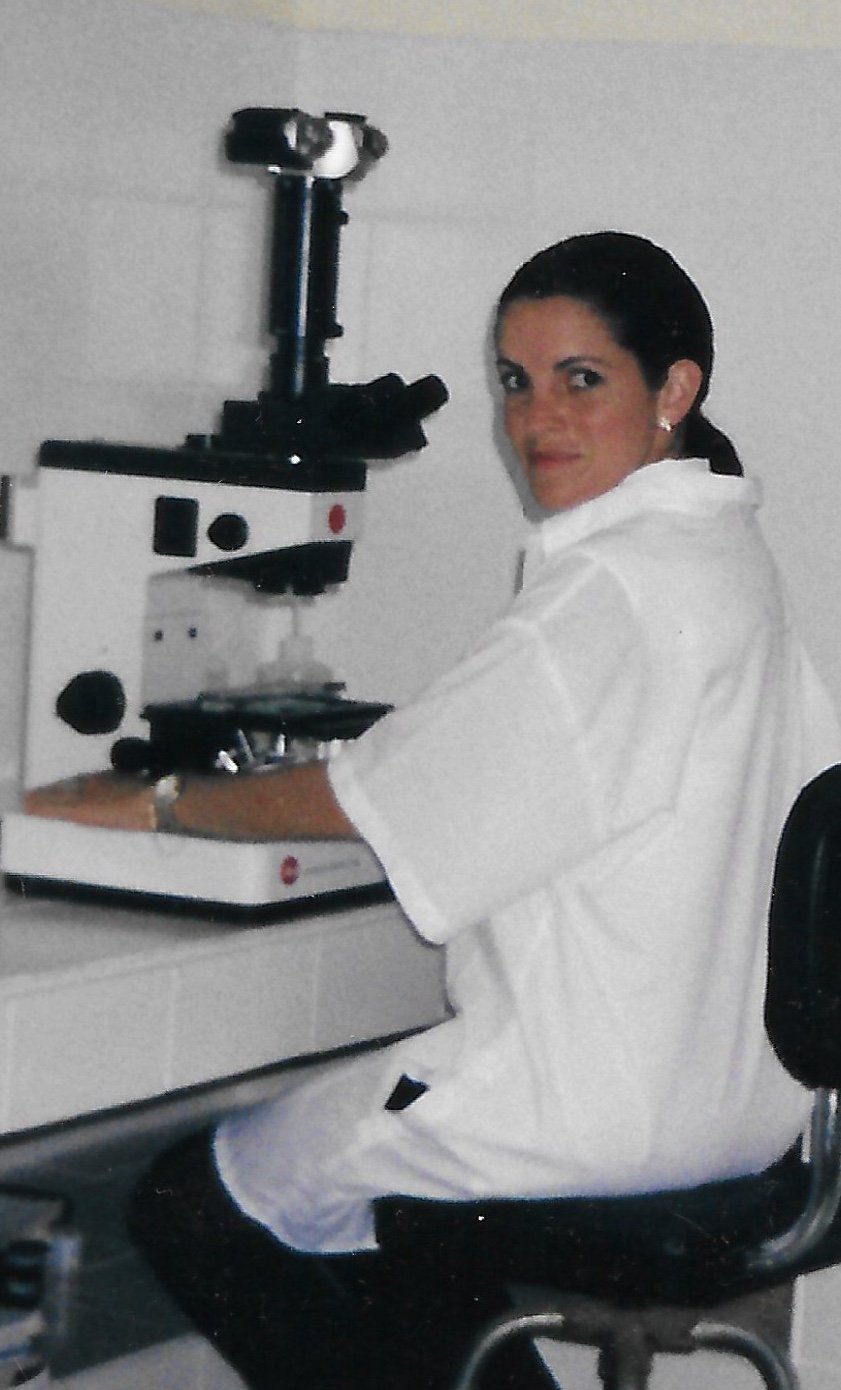
According to Ingrid, the sensation that followed felt detached from ordinary human experience. She said she no longer felt tied to her body and instead became aware of herself in a completely different way. At that moment, she no longer felt like a child in a body but like pure consciousness, a field of awareness and light. Time seemed to disappear entirely during the experience. Thoughts faded away too, along with any sense of individual identity, leaving what she described as a feeling of complete connection to everything around her. It felt like being immersed in a vast intelligence filled with love, clarity and peace.

One of the stranger parts of her account involves her mother. Ingrid claimed that while she was unconscious in the water she could somehow see her mother several blocks away and communicate with her without speaking. Her mother later rushed home and found her daughter in the tank. Ingrid believes the moment permanently changed how she viewed death and says she has not feared it since.
Ingrid’s other experiences of ‘death’
The scientist later went through two more near-death experiences. One happened during a motorcycle crash when she was 25, while another occurred decades later after her blood pressure dropped during surgery at the age of 52. Ingrid says the experiences all unfolded in a remarkably similar way. Each time she claims she entered the same calm state where fear vanished and awareness appeared to exist separately from her body.

Scientists have long debated what causes near-death experiences. Many researchers believe they can be explained by brain activity during moments of extreme physical stress, though Ingrid – like many others – thinks that the explanation may go further than that. These experiences transformed her understanding of life itself. Instead of seeing ourselves as isolated individuals struggling to survive, she began to understand that we may be expressions of consciousness experiencing life through a physical form. From that perspective, death does not feel like the end of existence, it feels more like a transition in the continuum of consciousness.
Despite the extraordinary nature of her claims, she continued building a scientific career after the incidents. Ingrid earned a PhD in Marine Science and later worked in environmental research projects involving both NASA and the United States Navy.
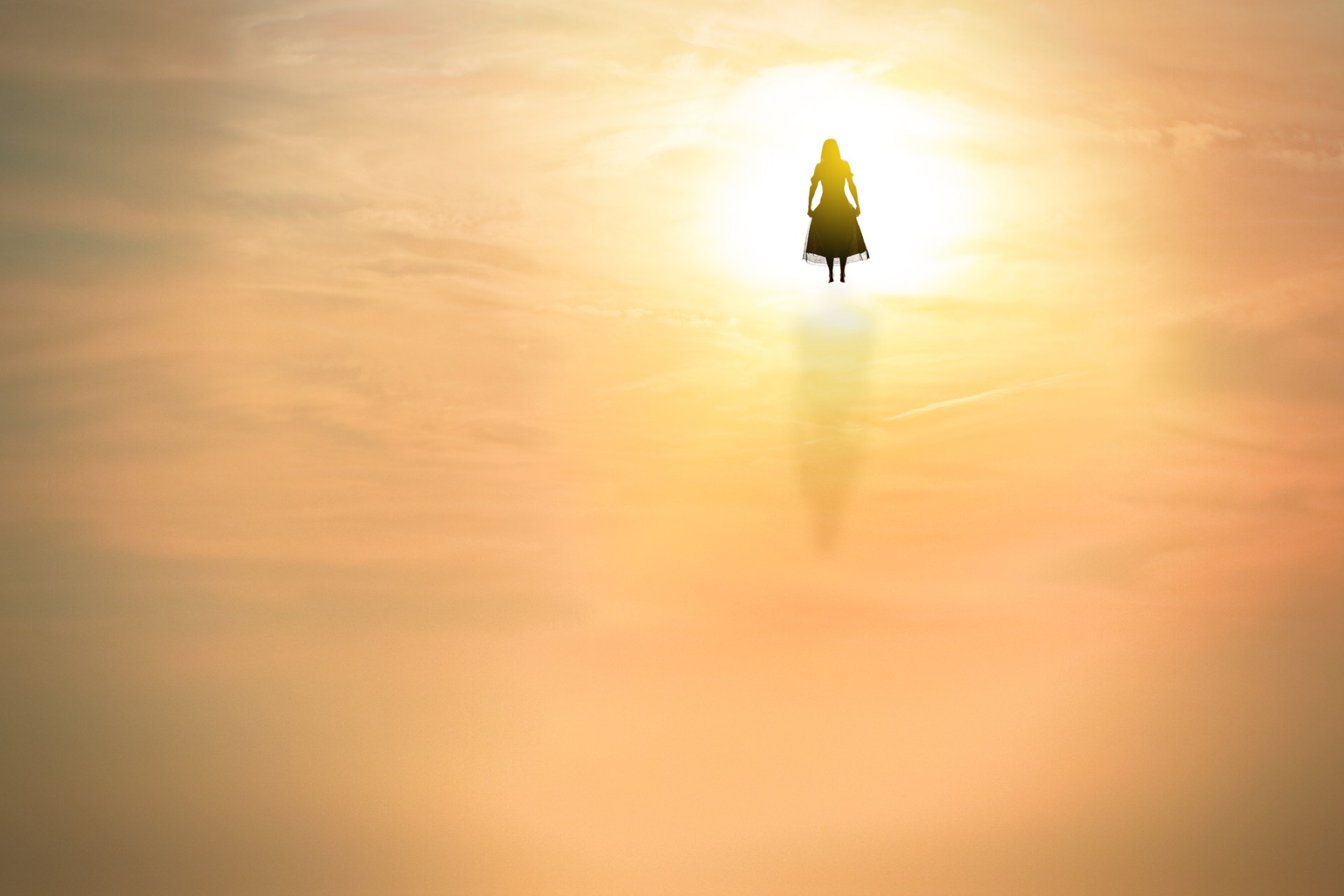
Rather than pushing her away from science, she said the experiences actually deepened her interest in understanding reality through research. For years she mostly kept the stories private, though she now argues science and spirituality do not necessarily oppose each other. In her view they may simply be trying to answer the same awkwardly large questions from different directions.
Ingrid explores the experiences further in her upcoming book, Dying to See the Light: A Scientist’s Guide to Reawakening, which focuses on consciousness and what she believes may happen when life ends.

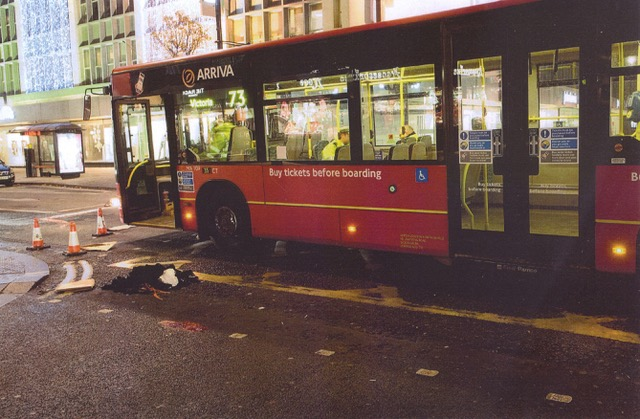
There are plenty of other people who claim to have seen the ‘other side’ before being brought back to life to share their stories. In December 2009, Tom Kearney was hit by a bus. He was just off Oxford Street in London when the mirror of a London bendy bus hit the back of his skull. The force pushed him in front of the vehicle, causing his head to crack open and his lungs to burst. Then he found himself choking to death on his own blood. A 16-year-old boy called Hamza Benkhadda put Tom into the recovery position, which he says saved his life.
What did Tom experience?
During Tom’s near death experience he recalls seeing relatives that had previously died, even decades before, in his family home in Ireland. He said: So I’m in Ireland. I’m at the house of my great grandfather and I saw my grandfather and my grandmother, and I waved to them. I was surprised because my grandfather died in 1944 and my grandmother died in 1966 but they were alive and happy, and I was happy too. It was really great to see them. I saw my great uncle, who died in 1989. I was really pleased to see him, and I saw my great-grandfather too.
But when he spoke to them, Tom says they all told him the same thing. Tom says his family asked him: “What are you doing here? You’re not supposed to be here.” And I said, “I think I was hit by a bus.” And he [his great-grandfather] says, “Well, that’s not for you.” And I said, “What do you mean? That’s not for you?” Tom said that his great-grandfather replied: “Getting hit by a bus is not for you. My son was sunk in the North Atlantic, and was two weeks in a lifeboat in World War One, and he survived. And his brother, who later died in India, was sunk twice in one day and survived, so getting hit by a bus is not for you. You’re supposed to be back with your family. You’re back with your boys and back with your wife.”
Tom says he was then shown to a gate that took him to New York and into the kitchen of his wife’s family, who also told him that he ‘shouldn’t be here’ and told him to go home. Another door took him home to Ireland, where his own relative gave him the same message. He then says he woke up from the coma he had been in for two weeks.
What is a near death experience (NDE)?
Near death experiences are unequivocally fascinating. They are episodes of ‘disconnected consciousness’, which Dr Charlotte Martial, a neuroscientist with the Coma Science Group and the University of Liege, says relates to the fact that NDEs are a mental experience that has no connection to the physical environment. She explains that people who tend to have NDEs are in life-threatening situations, like Tom, and that they can also come from other critical emergencies, like cardiac arrests.
Dr Martial explains the research she sees on NDEs have recurrent testimonies such as out of body experiences, seeing a bright light, meeting entities, or feeling a sense of harmony and unity. People often see visions of their loved ones, of being in tunnels, and seeing their life flash before their eyes.

What’s the science behind an NDE?
Dr Martial explains: So we notably suggest that hypoxia would be the starting point of the cascade of specific neurochemical mechanisms. Hypoxia is where not enough oxygen reaches the cells. Dr Martial and her team were the first to establish a link between features of the experience with a specific neuro chemical mechanism. She explains in a paper: We list the neurotransmitter change that may lead to specific features, such as the visual hallucination, or the fact that they feel an intense feeling of peacefulness, or the dissociation that happened at that time.
So, which chemicals are released? We associate the serotonin energetic activity with visual hallucination, she said. However, the team also found that the neurotransmitters dopamine, noradrenaline, GABA, glutamate and endorphins all play a part when someone is having an NDE – and that leads to the feelings of calm and peacefulness people often report experiencing.
However, there could also be a biological reason someone has an NDE. Dr Martial explains: This may arise as a defense mechanism when people face a stressful or life-threatening or painful situation.