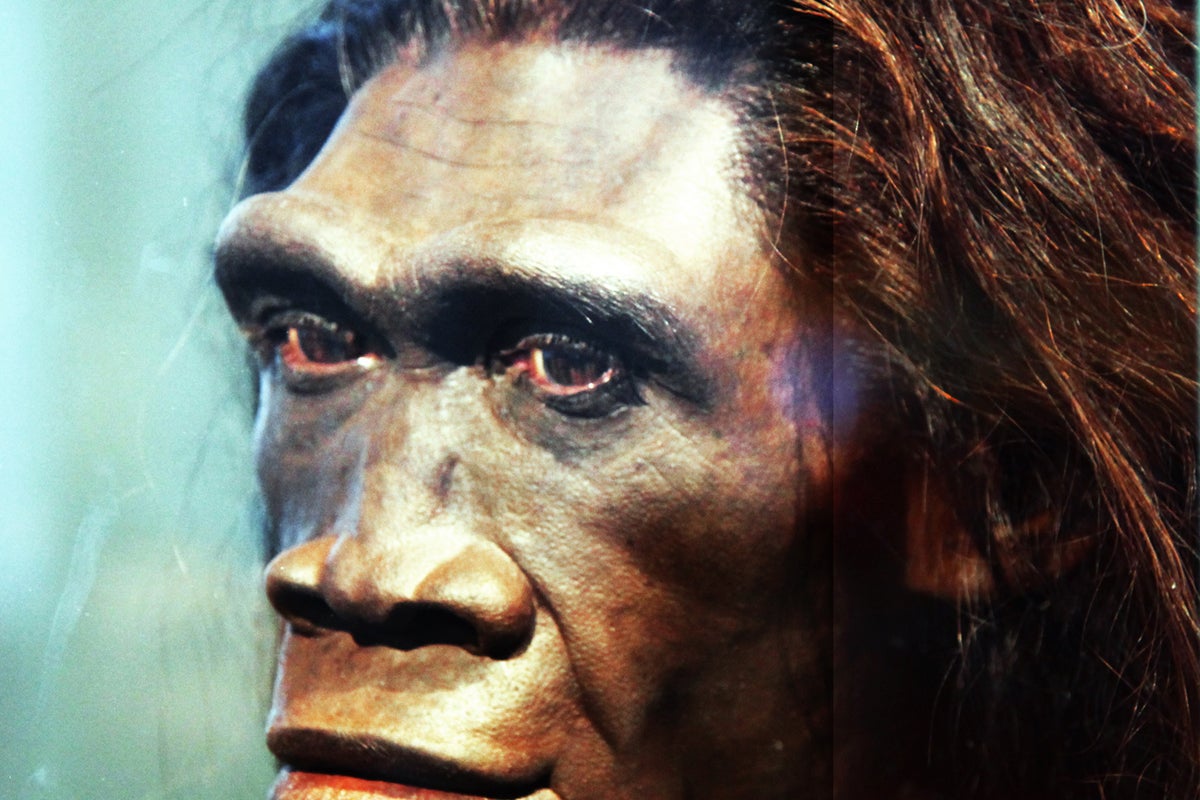
A groundbreaking analysis of ancient teeth is offering scientists an unprecedented glimpse into the interactions between early human relatives, hundreds of thousands of years ago, and their enduring legacy on our own species.
A recent study has uncovered crucial genetic clues concerning Homo erectus, an ancestor that arose in Africa approximately two million years ago before migrating across the globe to regions including Asia and potentially Europe. While remains of this early human have been discovered in diverse locations such as Indonesia, Spain, China, and Georgia, the fragile nature of genes and proteins has historically made understanding their internal biological makeup a significant challenge.
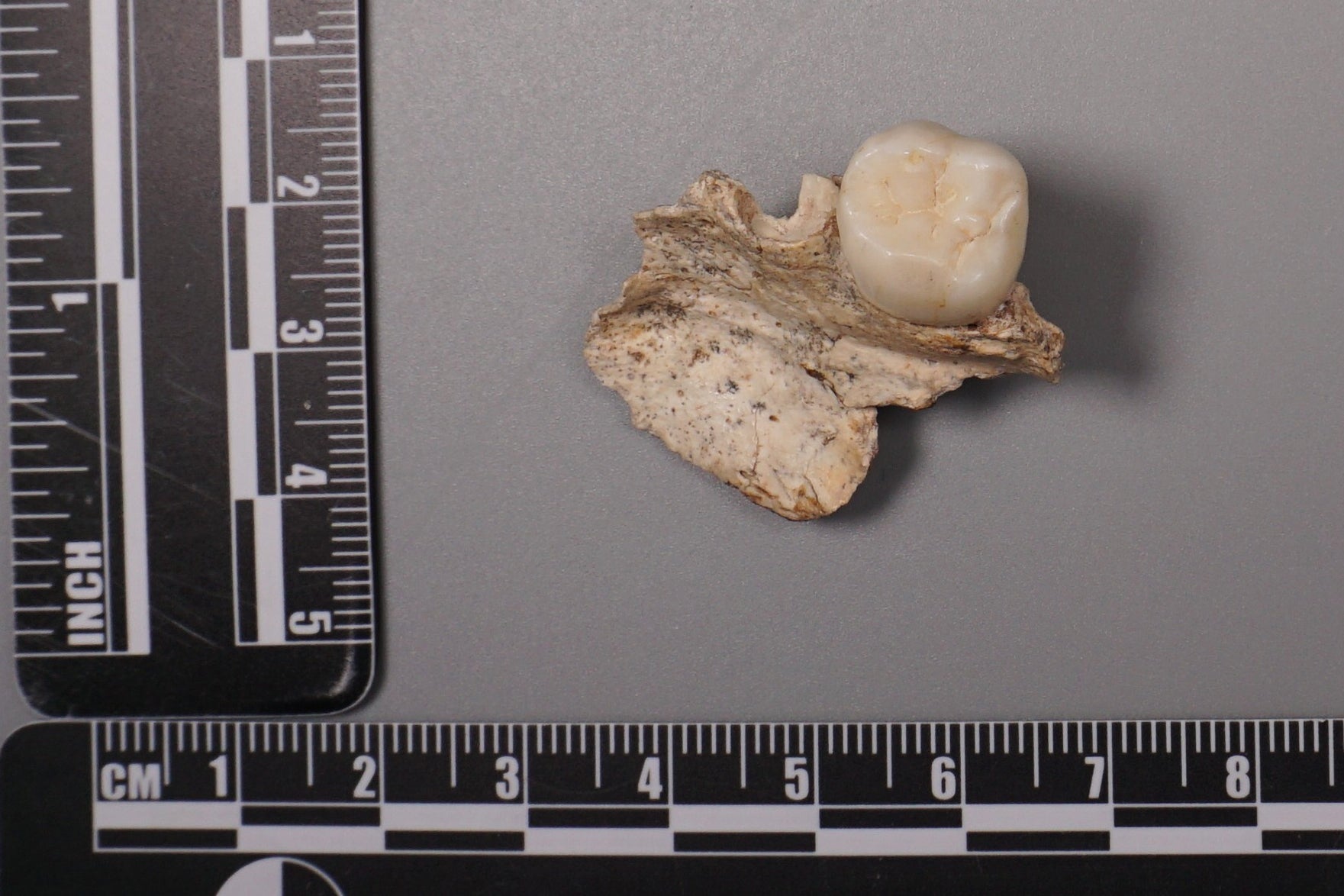
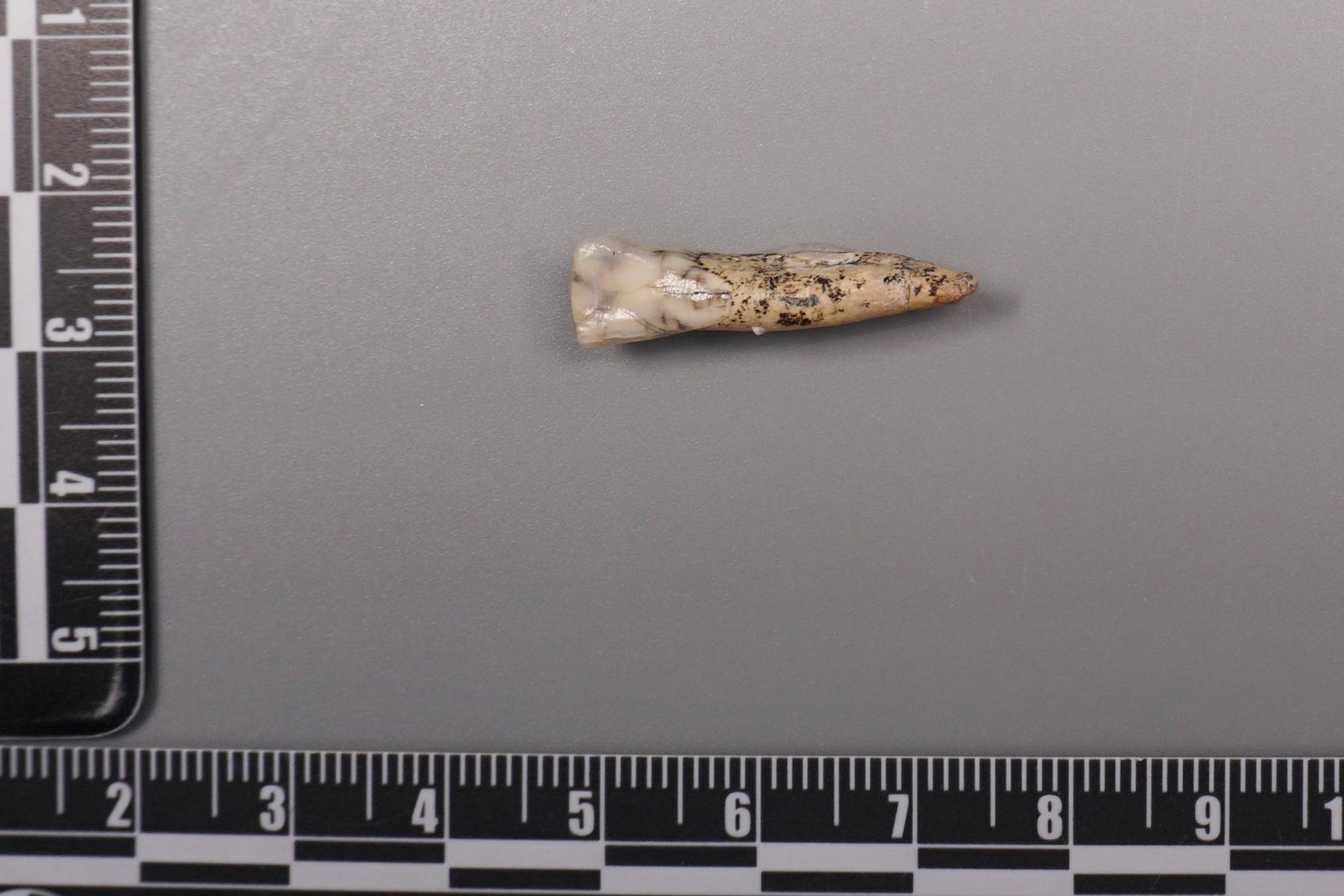
In a new work, researchers siphoned ancient enamel proteins from H. erectus teeth belonging to five men and one woman that were recovered across several locations in China to learn how these early humans may have mingled. The 400,000-year-old teeth all had two key mutations in a protein found in tooth enamel. One mutation hasn’t been observed before and could be a unique calling card belonging to East Asian members of H. erectus.
The second, though, was more complex. Scientists identified a variant that’s also present in a small fraction of modern humans — as well as one of our extinct cousins called Denisovans. That told scientists that H. erectus could have mated with and passed their genes to Denisovans in the past. But how did it get to us? Scientists think that may have happened later when our ancestors intermingled with Denisovans.
“This traces who we are now back to our ancestors in a really cool and exciting way, using new methods,” said paleoanthropologist Ryan McRae with the Smithsonian National Museum of Natural History, who was not involved with the new research.
The exact relationships between all these early human relatives are still a bit murky. It could be that H. erectus is actually just an ancestor to the Denisovans, who inherited those genes over time, McRae said. It’s a tough puzzle to detangle with extremely limited data. Finding more fossils and testing the limited evidence for remnants of DNA can help firm up the human evolutionary story.
“We really need to get more DNA” and bits of H. erectus to figure out how this predecessor “is exactly related to other humans,” said study author Qiaomei Fu with the Institute of Vertebrate Paleontology and Paleoanthropology in China.
Key Findings from the Study
- Researchers extracted ancient enamel proteins from H. erectus teeth found in China.
- The teeth contained two unique mutations in a protein found in tooth enamel.
- One mutation appears to be specific to East Asian populations of H. erectus.
- The second mutation is also found in some modern humans and Denisovans.
Implications for Human Evolution
- The presence of the same mutation in Denisovans suggests that H. erectus may have interbred with them.
- This interbreeding could have contributed to the genetic diversity seen in modern humans.
- Further research is needed to confirm these findings and understand the full scope of these ancient interactions.
Challenges in Studying Ancient DNA
- The fragile nature of DNA makes it difficult to extract and analyze from ancient remains.
- Limited fossil records complicate efforts to trace the evolutionary pathways of early humans.
- Advances in technology, such as the extraction of proteins from teeth, offer new ways to study ancient species.
Future Research Directions
- More fossils need to be discovered to build a clearer picture of human evolution.
- Scientists should continue testing existing remains for traces of DNA and proteins.
- Collaboration between researchers and institutions will be essential in advancing this field.
Independent readers are independently-minded global citizens. They are not defined by traditional demographics or profiles, but by their attitudes. In today’s increasingly fragmented world, communities value real facts and frank opinions delivered first-hand from a non-biased news brand that they can trust. Armed with information and inspiration, Independent readers are empowered and equipped to take a stand for the things they believe in.