Australia’s Ongoing Debate Over Paraquat Use
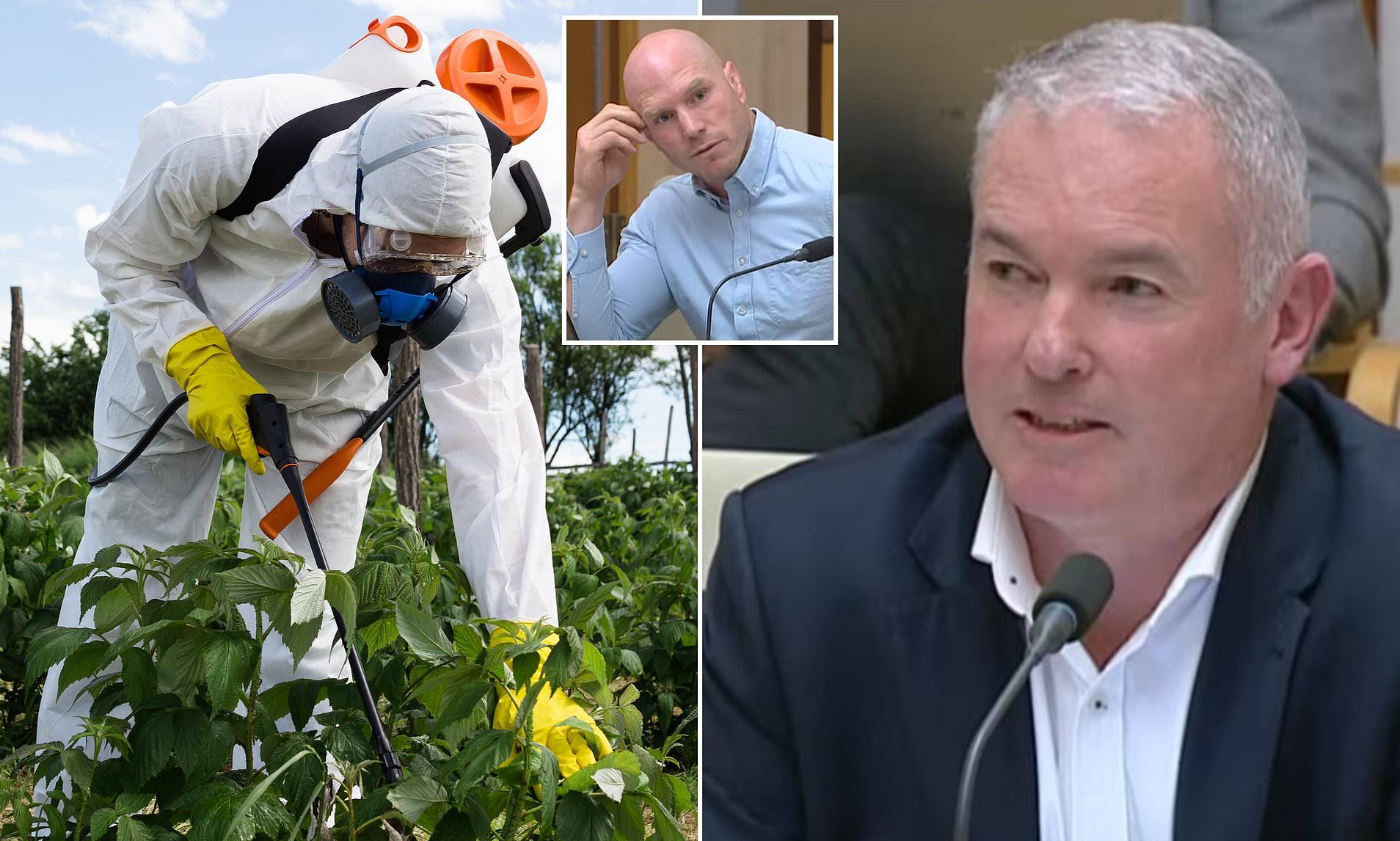
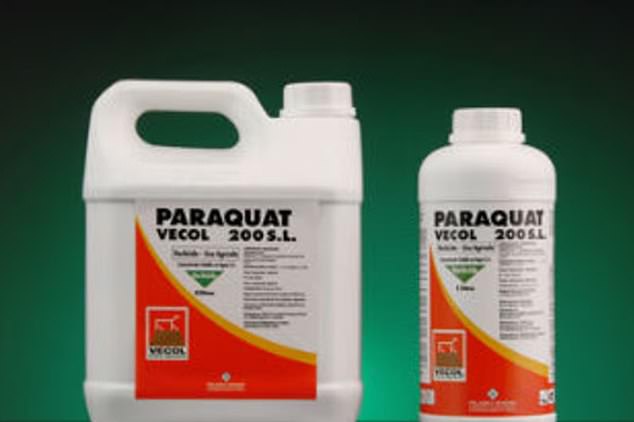
Australia’s agriculture regulator, the Australian Pesticides and Veterinary Medicines Authority (APVMA), has faced intense scrutiny over the continued use of paraquat, a herbicide that has been banned in over 70 countries. The chemical is widely used on common crops and has been linked to serious health issues, including Parkinson’s disease, organ damage, and poisoning deaths.
During a Senate hearing on Monday, Senator David Pocock questioned APVMA boss Peter Hansen about why the regulator has been assessing paraquat since 1997 but has not taken action. The APVMA stated on its website that it has the power to take quick action if it becomes aware of human health risks associated with agvet chemicals.
In late 2024, the APVMA released a proposed regulatory decision on paraquat. The proposal includes removing certain high-rate applications that pose an unacceptable risk to the environment and eliminating the use of paraquat at higher rates where short-term poisoning risks cannot be adequately mitigated. However, the APVMA emphasized that there is no imminent risk to human health or food safety and would take immediate action if such a risk arose.

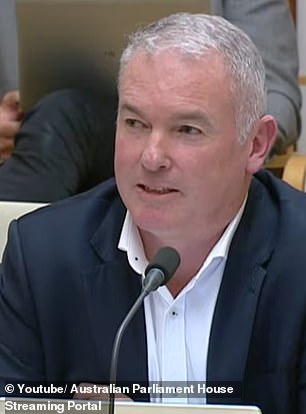
Senator Pocock expressed frustration that Australia had not yet taken decisive action against the pesticide. He noted that he had expected the APVMA to make a decision after 28 years of assessment. Mr. Hansen explained that delays were due to recent findings from the US Environmental Protection Agency regarding the chemical’s volatility in the field, as well as other milestones achieved over the past 28 years.
“If we didn’t think it was safe, we wouldn’t be looking to make a decision that would allow it to continue to be used,” Mr. Hansen said. “If we thought it wasn’t safe, we would be making a decision that looks to ban it. If it was imminent and urgent, we would have taken action already.”
Paraquat is banned in the UK and Europe, and recently, the US state of Vermont became the latest region to ban the chemical, with other states likely to follow. The herbicide is used to kill weeds and grasses and is applied to a wide range of crops, including fruits, potatoes, soy, peanuts, and pistachios.
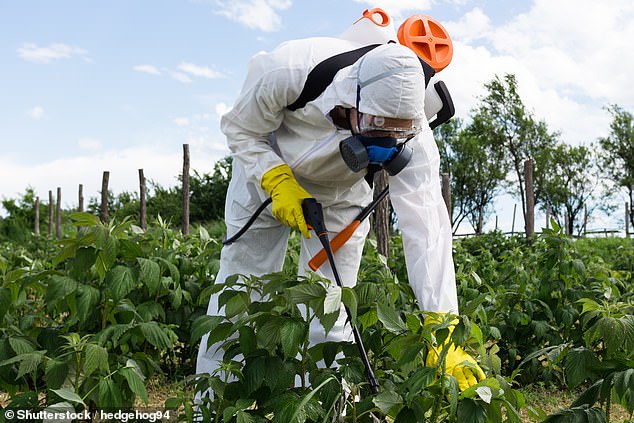
Experts have raised concerns about the long-term effects of exposure to paraquat among farmworkers and people living near treated farms. There are also concerns about repeated exposure to trace residues on store-bought food, although this is considered a less significant risk.
The National Farmers’ Federation, in its submission to the APVMA in 2024, highlighted the benefits of paraquat, including improved crop yields, soil moisture retention, better soil health, and reduced erosion. It also pointed out that the APVMA had previously found evidence that did not support the claim of a growing body of evidence linking paraquat exposure to Parkinson’s disease.
The APVMA’s latest report on paraquat will be released within six weeks, marking a critical step in the ongoing debate over the herbicide’s future in Australia.