A New Era in Exoplanet Discovery
NASA’s Nancy Grace Roman Space Telescope is set to revolutionize the search for planets beyond our solar system. Scientists predict that this observatory could uncover approximately 100,000 previously unknown exoplanets. This mission represents a major advancement in exoplanet science, as it will allow researchers to explore regions of the galaxy that have been largely uncharted.
Currently, astronomers have confirmed nearly 6,300 exoplanets. However, most of these discoveries are from a relatively small area around our solar system. The Roman telescope aims to change that by expanding the search into distant and densely populated parts of the Milky Way.
Mapping the Uncharted Galaxy
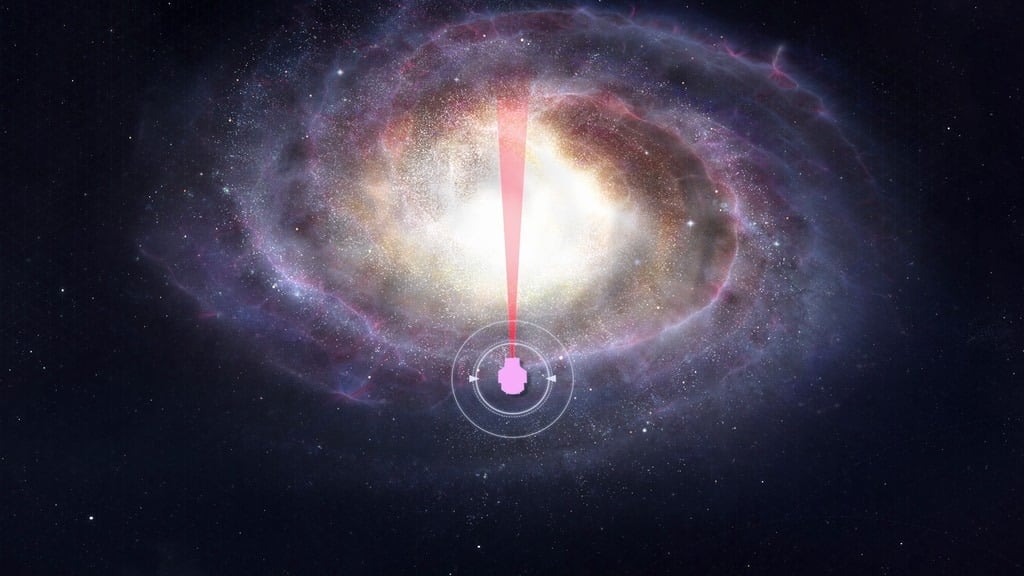
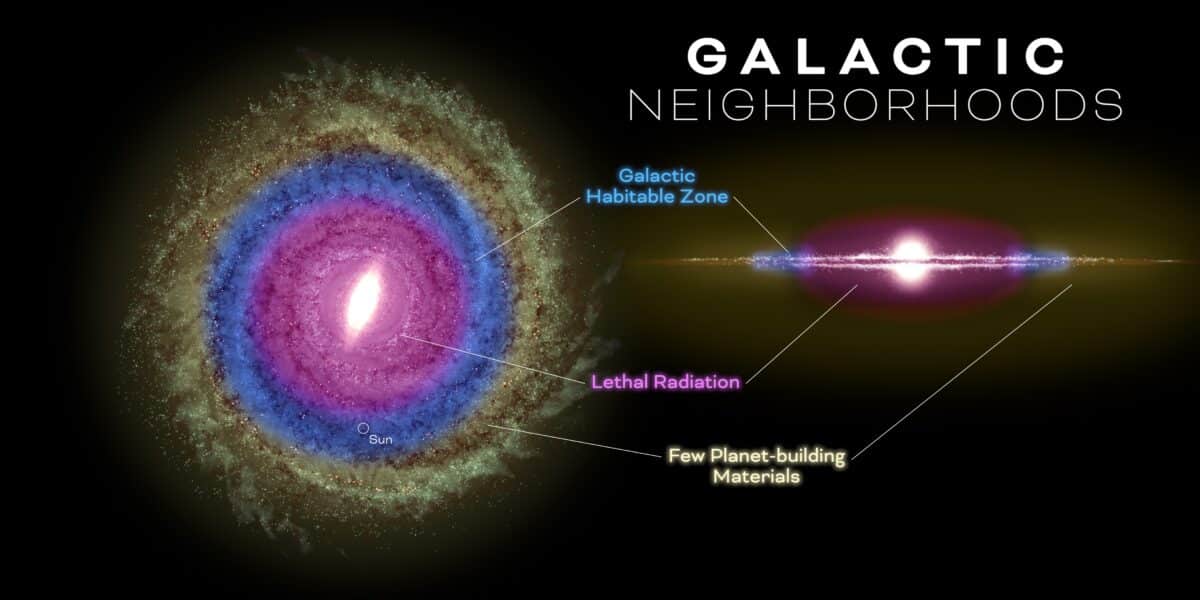
Most known exoplanets orbit stars located within a few thousand light-years of Earth. The Roman telescope will extend observations far beyond that range, focusing on areas closer to the center of the galaxy. NASA notes that this mission will enable researchers to compare planetary systems formed in different stellar environments, an opportunity that has been rare until now.
Elisa Quintana, an exoplanet researcher at NASA’s Goddard Space Flight Center in Maryland, explained that Roman’s observations could reveal how planet formation varies across the galaxy. The findings may help scientists determine whether certain stellar environments are more likely to produce specific types of planets.
Two Ways to Search for Planets
To conduct its survey, the telescope will continuously monitor millions of stars and look for subtle changes in their brightness. One of its main tools will be the transit method, which detects planets when they pass in front of their host stars from Earth’s perspective. These brief dips in starlight can indicate the presence of hidden worlds.
Researchers estimate that the transit technique alone could lead to approximately 100,000 exoplanet discoveries during the mission, making Roman one of the most productive planet hunters ever launched. The telescope will also use gravitational microlensing, a technique that leverages the bending and magnifying effects of gravity. When a foreground star passes in front of a more distant star, any planets orbiting the foreground star can leave detectable signatures in the amplified light.
Data from NASA suggests that microlensing could uncover more than 1,000 additional planets, including worlds similar in size to Earth and Mars. This method is especially effective at finding planets located far from their stars, including systems that resemble our own solar system.
By combining these two approaches, Roman is expected to provide the most comprehensive inventory of planetary systems ever assembled within our galaxy.
From Birth of Planets to Alien Skies
In addition to searching for new worlds, the telescope will investigate the relationship between stars and the planets that form around them. Researchers have already found connections between stellar chemistry and planet formation.
“Stars with more heavy elements tend to host more planets, especially giant ones,” said Robby Wilson, a postdoctoral fellow at NASA Goddard who led a study examining Roman’s expected exoplanet yield.
The telescope will also gather information about the atmospheres of thousands of exoplanets. While the James Webb Space Telescope focuses on detailed studies of individual worlds, Roman will collect broader climate and temperature data across a much larger sample.
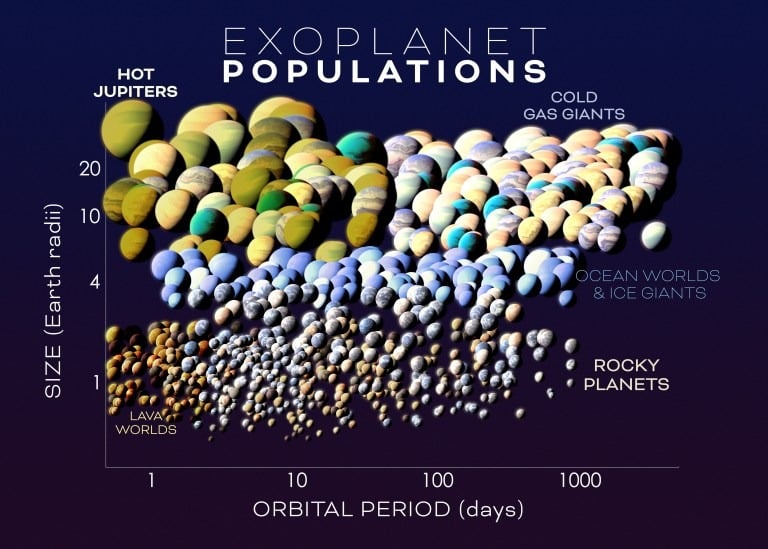
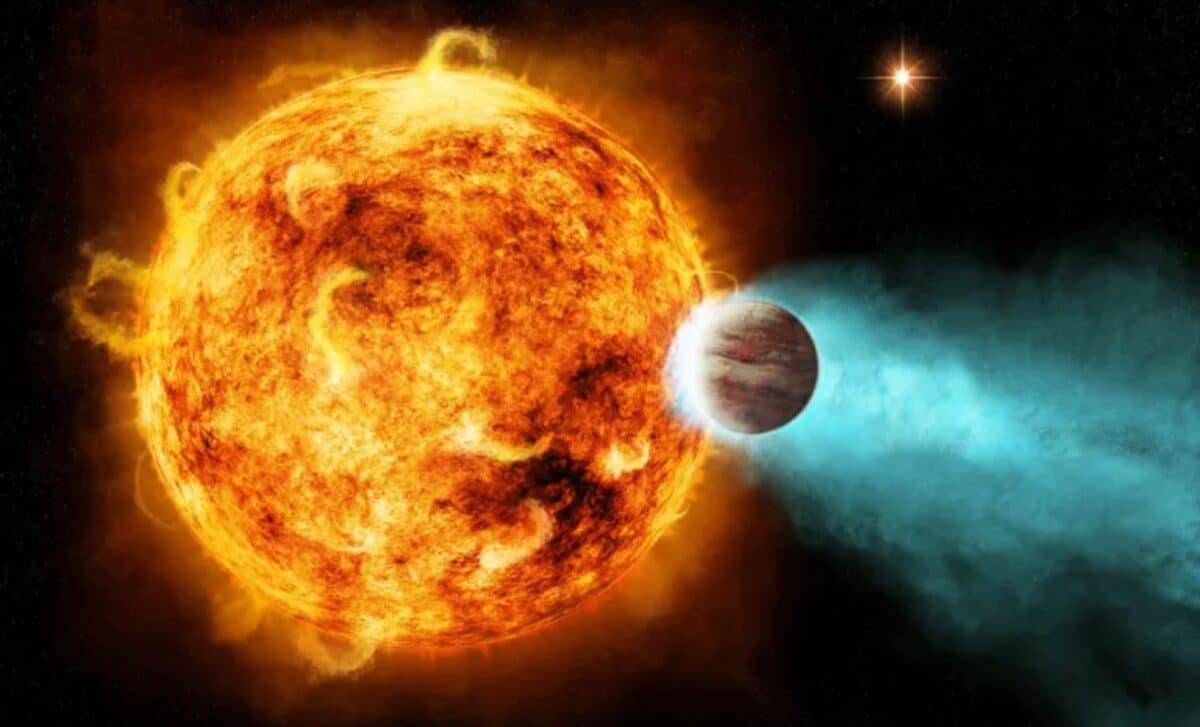
Among its targets will be hot Jupiters, giant planets that orbit extremely close to their stars. Roman’s infrared instruments will monitor changes in their brightness as they circle their host stars, helping scientists measure temperature differences between their day and night sides and better understand atmospheric circulation.
The space agency has stated that:
“Roman’s galactic bulge survey will observe around 100 million stars and probe underexplored areas of our galaxy, which will provide a foundational dataset that will likewise revolutionize what we know about other worlds and our place in the universe.”