The Growing Rabbit Problem in Australia
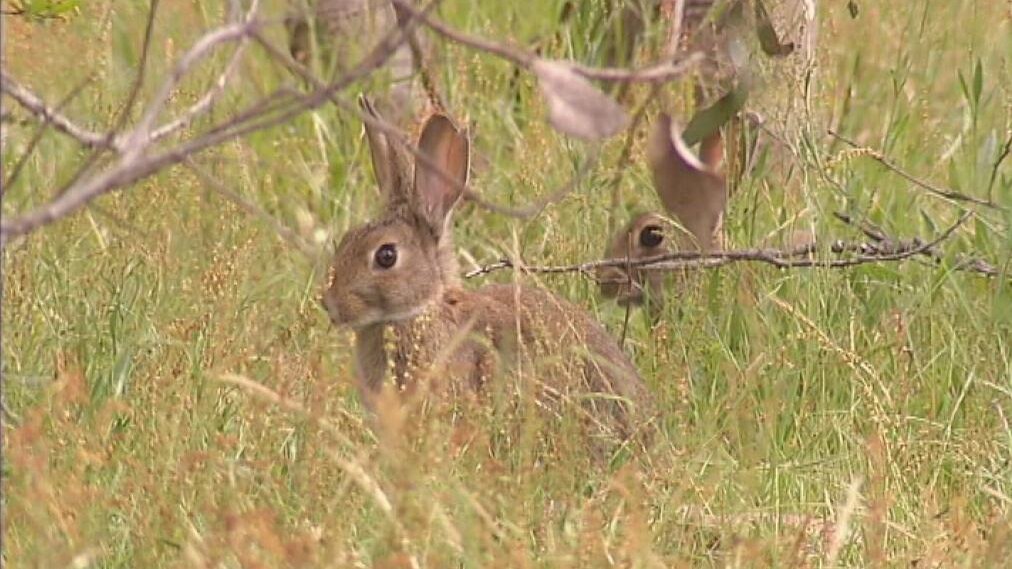
Australia is facing a significant challenge with its feral rabbit population, which has been increasing due to favorable environmental conditions. Recent rainfall has provided more feed and ideal breeding conditions, leading to a rise in rabbit numbers across south-east Australia. This issue has prompted concerns from experts about the effectiveness of current control methods.
Historical Control Methods and Their Limitations
Historically, the release of deadly viruses such as myxomatosis in the 1950s and calicivirus in recent years has played a crucial role in managing rabbit populations. However, the current virus, first introduced nine years ago, is showing signs of reduced effectiveness. Heidi Kleinert, the national feral rabbit management coordinator with the Centre for Invasive Species Solutions (CISS), explained that rabbits are developing genetic resistance over time, which poses a threat to the continued success of these biological control methods.
Kleinert highlighted that while CSIRO scientists are working on a new virus, funding for the program has ended this year. Although the CSIRO received $387.4 million in the federal budget, it remains unclear if these funds will be allocated to extend the rabbit virus project. This lack of long-term funding presents a significant policy challenge for Australia, as there is currently no national model that supports sustained investment in pest management and biocontrol.
The Role of Conventional Methods
Biological control remains an effective large-scale management option for feral rabbits, but conventional methods are still necessary. John Nolan, invasive species team leader with New South Wales agency Murray Local Land Services, emphasized that while biological control works well when it does, traditional methods such as baiting, ripping, fumigating, and trapping are often required.
Nolan noted that a decrease in the number of flies, mosquitoes, and fleas during dry conditions has affected the spread of viruses. Without these insects, the transmission of biological controls is hindered, allowing rabbits to thrive in areas where they typically aren’t a problem. Recent rainfall has further exacerbated the situation, prompting a surge in rabbit activity.
Increased Demand for Poison Bait
To combat the growing rabbit population, carrots laced with poison are being used on farms in the region. Nolan reported that the demand for this bait has doubled this year compared to previous years. Around 9,000 kilograms of poison bait have been issued to landholders, particularly in areas such as Holbrook, the Upper Murray, north of Swan Hill, Moulamein, and Jerilderie.
The Next Virus: A Long-Term Solution
CISS and the CSIRO emphasize that new biocontrol agents need to be released every 10 to 15 years to keep up with virus resistance. With the current CSIRO program running out of funding, Kleinert is concerned about the potential impact of a prolonged gap in effective control measures. She pointed out that rabbits cost Australian agriculture over $200 million annually and place significant pressure on native ecosystems and threatened species.
CISS estimates that $3 million is needed over the next three years to continue developing a new virus strain. Kleinert is actively engaging with states, territories, the federal government, and the private sector to secure support for the project. However, even with funding, she warned that the development and release of a new virus would take at least 10 years, potentially not being available until 2036.
Government Support and Local Challenges
A spokesperson for the Federal Department of Agriculture, Fisheries and Forestry stated that states and territories, along with landholders, are primarily responsible for on-ground management of wild rabbits. The Australian government is investing $1.2 million to support rabbit biocontrol research, the national rabbit disease monitoring program, and the national rabbit management coordinator program.
Local Impact: The Rabbit-Proof Fence Dilemma
In Bethanga, in north-east Victoria, the feral rabbit problem has become so severe that a rabbit-proof fence is being considered for the town’s sports oval. Joanne Sirl, president of the Bethanga Recreation Reserve, described the dangers posed by the rabbits, including deep holes that create hazards for people using the oval. A cricket player was recently injured when a ball hit them in the forehead, highlighting the urgency of the issue.
Sirl mentioned that club members spend hours each Saturday filling in the holes before cricket matches. They have explored various options to protect the oval, including consulting with Landcare and DECCA. The only viable solution they have considered is building a rabbit-proof fence around the ground.
Ongoing Challenges
Bethanga is not alone in its struggle with feral rabbits. Sirl noted that professional harvesters have removed 130 rabbits in a single night and 120 the next, but the rabbits return within weeks, indicating that these efforts are not a long-term solution. The ongoing battle against feral rabbits continues to pose challenges for communities and agricultural sectors across Australia.