The Evolution of Safety in Formula 1
Formula 1 has always been a sport that demands courage and precision. The cars are incredibly fast, the margins for error are extremely small, and drivers spend every race inside machines that push the limits of physics. For decades, safety improvements came through painful experiences, extensive research, and tragic crashes that no one wanted to see repeated.
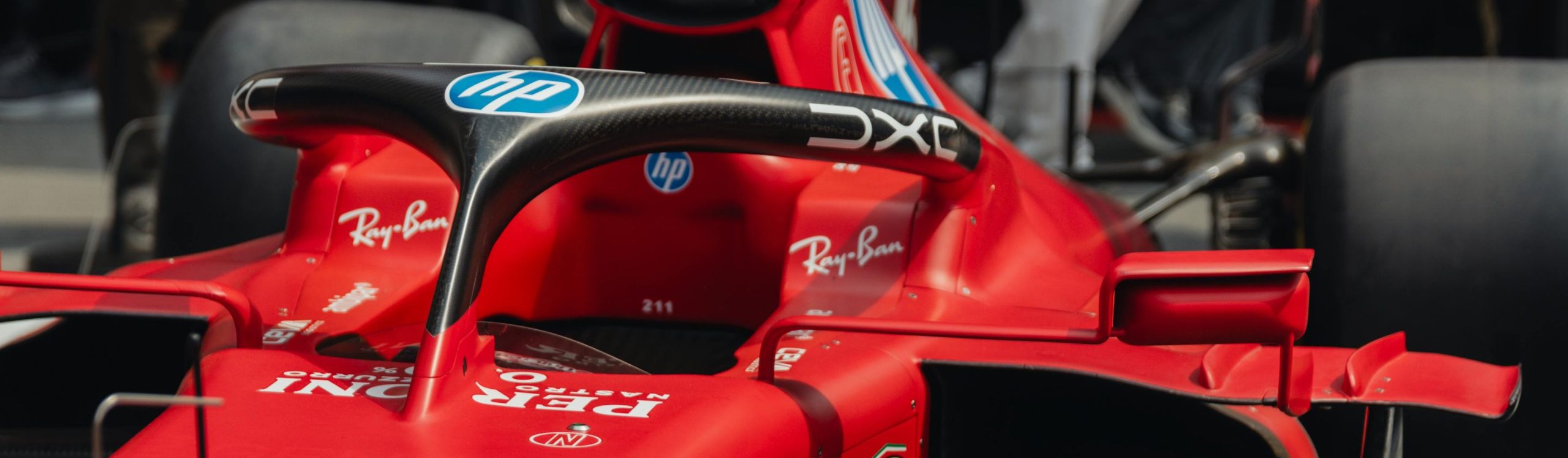
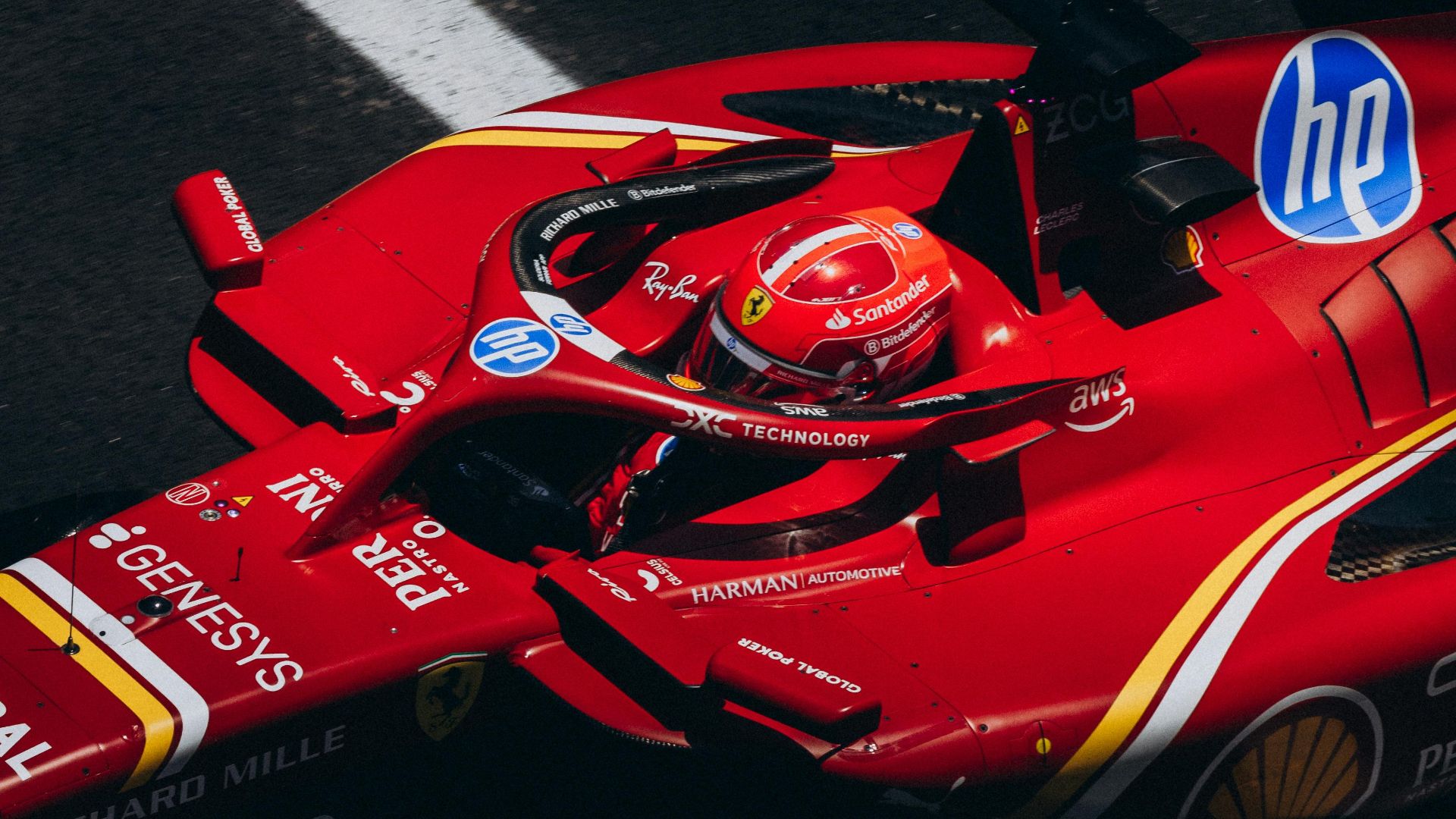
One of the most significant changes in recent years might seem simple at first glance: the halo. Introduced as a mandatory cockpit-protection device in Formula 1 for the 2018 season, the halo is the curved structure that sits above and around the driver’s head. It wasn’t immediately popular, with many fans finding it clunky or awkward. However, when real-world incidents occurred, the halo quickly became one of the most respected pieces of equipment in modern racing.
The Safety Problem F1 Couldn’t Ignore
Open-wheel racing has always had a terrifying vulnerability: the driver’s head is exposed. While helmets, cockpit sides, survival cells, and the HANS device have made significant improvements, none of them fully addressed the danger of flying debris or another car landing near the cockpit. In a sport where wheels, wings, barriers, and bodywork can become hazards in a split second, this was a serious gap. F1 needed a way to protect the driver without fully enclosing the car.
The basic idea behind the halo wasn’t glamorous, but it was practical. It created a strong protective frame around the cockpit, designed to deflect large objects and shield the driver’s head. The final version had to be strong enough to survive extreme loads while still allowing drivers to see, steer, and escape.
The FIA tested different head-protection ideas before the halo became mandatory, including screen-style concepts. The halo eventually won because it offered a strong balance of protection, visibility, weight, and integration with the car. Was it ugly looking? Yes, but it was also potentially life-saving. By 2018, every Formula 1 car had to wear one, whether fans liked the look or not.
The Halo Was Mocked Before It Was Praised
When the halo first appeared, the complaints came fast. Some people said it ruined the look of the cars, while others worried it would make it harder to identify drivers from certain angles. There were also concerns about visibility, emergency extraction, and whether the sport was losing some of its open-cockpit identity.
Drivers themselves were not all instantly convinced, either. Romain Grosjean later admitted he had not supported the halo when it was first discussed. Many people accepted the safety argument in theory, but they still saw the device as an awkward compromise. In a sport that cares deeply about elegance, aerodynamics, and tradition, it was a hard sell.
Then real-world incidents changed the conversation almost overnight. At the 2018 Belgian Grand Prix, Fernando Alonso’s car flew over Charles Leclerc’s Sauber at the first corner, and the halo was widely credited with helping protect Leclerc from a potentially devastating impact. In 2021, when Max Verstappen’s Red Bull ended up partly on top of Lewis Hamilton’s Mercedes at Monza, the halo again became a central part of the safety discussion. Once people saw tire marks and impact points near drivers’ helmets, the argument about aesthetics suddenly felt ridiculous.
The Crashes That Proved Its Value
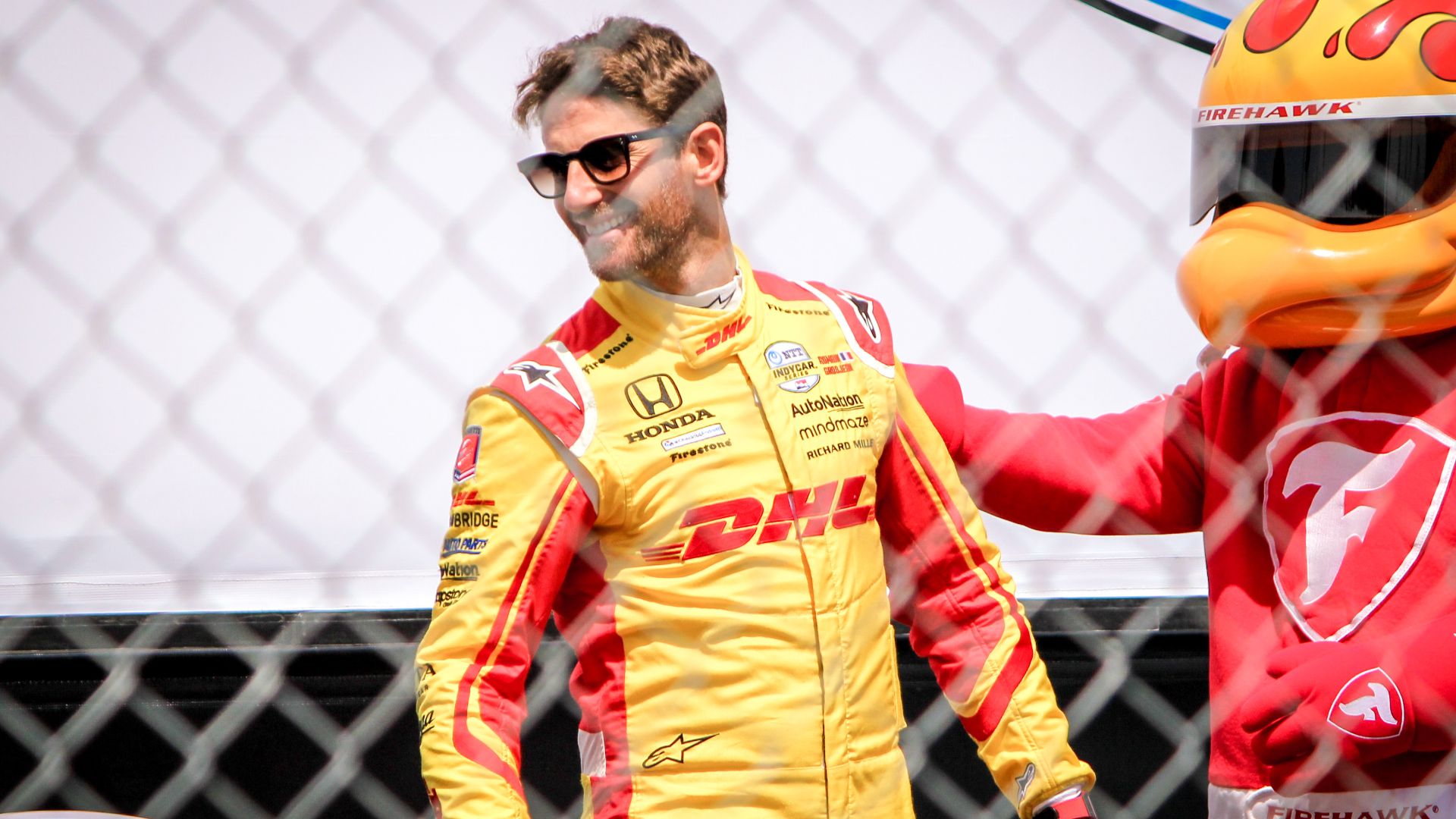
The defining halo moment came at the 2020 Bahrain Grand Prix, when Romain Grosjean’s Haas crashed into a barrier, split apart, and burst into flames. Grosjean climbed out with burns to his hands, but alive, conscious, and able to speak from his hospital bed. He later called the halo one of the greatest things brought to Formula 1 and said he wouldn’t have been able to speak without it.
That crash showed how several layers of F1 safety work together. The survival cell, fire-resistant clothing, HANS device, medical response, and halo all mattered. Still, the halo’s role was impossible to miss because it helped create space around Grosjean’s head as the car entered the barrier. It turned an already horrifying accident into a survival story rather than a memorial.
Zhou Guanyu’s 2022 British Grand Prix crash gave the halo another convincing test. His Alfa Romeo flipped upside down, slid across the track and gravel, and ended up trapped near the barrier and catch fencing. Zhou later credited the halo with saving him, and many fans who had once complained about the device had very little to say after that. Sometimes, motorsport safety changes public opinion not through speeches, but through silence after the replay.
A Legacy of Protection
The halo didn’t make Formula 1 safe in the ordinary sense, because nothing about driving at those speeds is ordinary. What it did was address a specific, deadly weakness that had haunted open-cockpit racing for generations. It protected drivers in crashes that looked almost impossible to walk away from, and that’s a pretty extraordinary legacy.