Heathrow Sees Drop in Passenger Numbers Amid Middle East Conflict
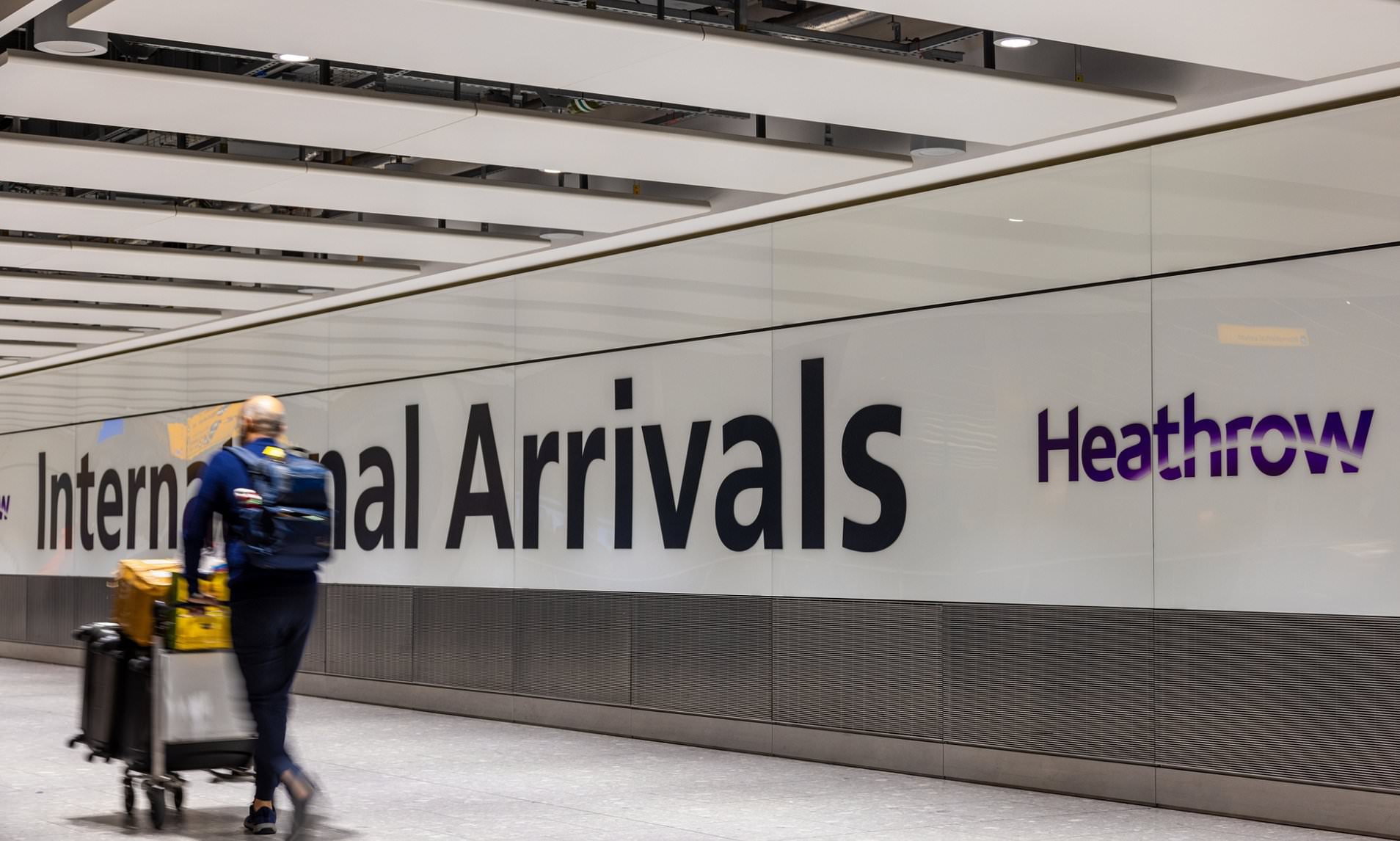
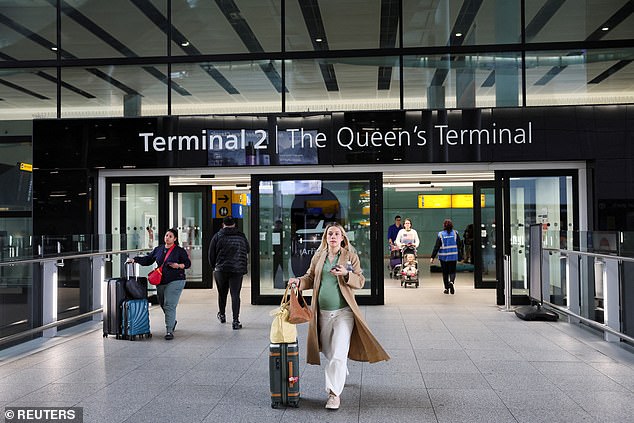
The number of passengers passing through Heathrow Airport last month saw a decline as the ongoing conflict in the Middle East continued to impact travel. According to reports, passenger numbers dropped to 6.7 million in April, marking a 5% decrease compared to the same period last year. This decline was attributed to flight cancellations and travelers postponing their bookings due to the uncertain situation.
Despite the drop in overall passenger numbers, the airport noted an increase in transfer passengers. In April, the number of transfer passengers rose by 10% year-on-year. This trend was driven by travelers rerouting to Asia and Oceania, who opted for Heathrow instead of other hubs like Dubai and Doha.
Heathrow’s CEO, Thomas Woldbye, expressed confidence in the airport’s performance, stating that demand remained strong. He mentioned that current fuel supplies were stable, and April was still considered the busiest month so far this year. The airport plans to release an updated annual passenger forecast next month.
Fuel Supply Issues Add to Travel Uncertainty
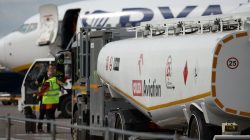
The situation at Heathrow is further complicated by growing concerns over jet fuel supply. Rising fuel prices have led to thousands of flight cancellations. Airlines have been advised to cancel or consolidate flights during the summer season to conserve fuel and prevent major disruptions.
Susannah Streeter, chief investment strategist at Wealth Club, highlighted the potential long-term implications of the fuel supply issues. She stated, “Heathrow is counting on this being a short-term disruption, but with jet fuel issues becoming a headache for countries around the world, it could turn into a medium-term problem, especially if more holidaymakers delay booking trips.”
Geopolitical Tensions Affect Oil Markets
Hopes for a swift resolution to the conflict and the reopening of the Strait of Hormuz were dealt another blow overnight. Donald Trump criticized Iran’s response to the latest U.S. efforts to end the war, calling it ‘totally unacceptable.’ This development caused the price of Brent crude to rise to around $103 per barrel.
Saudi Aramco, along with other major oil companies, warned that if shipping in the Strait of Hormuz does not resume, pressure on fuel supplies could extend into 2027. This adds to the growing concerns about global fuel availability.
Concerns Over Global Jet Fuel Supplies
Last week, IAG, the parent company of British Airways, issued a warning regarding the potential restrictions on jet fuel supplies. If the current conflict continues to hinder the flow of both crude oil and jet fuel, there is a risk of global jet fuel shortages.
This situation underscores the complex interplay between geopolitical tensions, fuel supply chains, and the aviation industry. As the conflict in the Middle East continues, the ripple effects are being felt across various sectors, including travel and energy markets.