Introduction to the Hantavirus Outbreak and Quarantine Measures
A group of passengers from a cruise ship affected by hantavirus have arrived in Australia, entering a strict quarantine protocol. This situation has raised concerns about the potential spread of the virus and the measures being taken to protect public health.
Arrival and Initial Procedures
The passengers, consisting of four Australian citizens, one permanent resident, and one New Zealander, were evacuated from the MV Hondius and landed at RAAF Base Pearce near Perth. They were transported in a van, clad in protective equipment, past media personnel to a nearby quarantine center. This scene echoes the procedures seen during the COVID-19 pandemic.
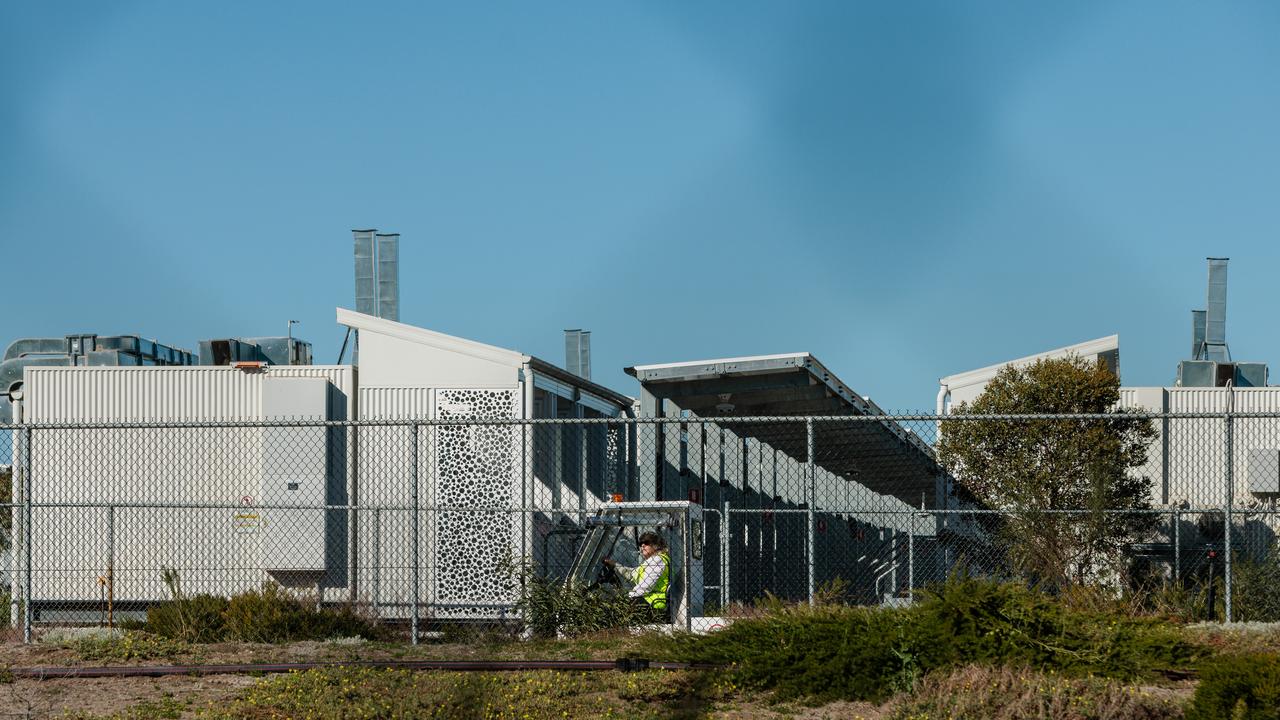
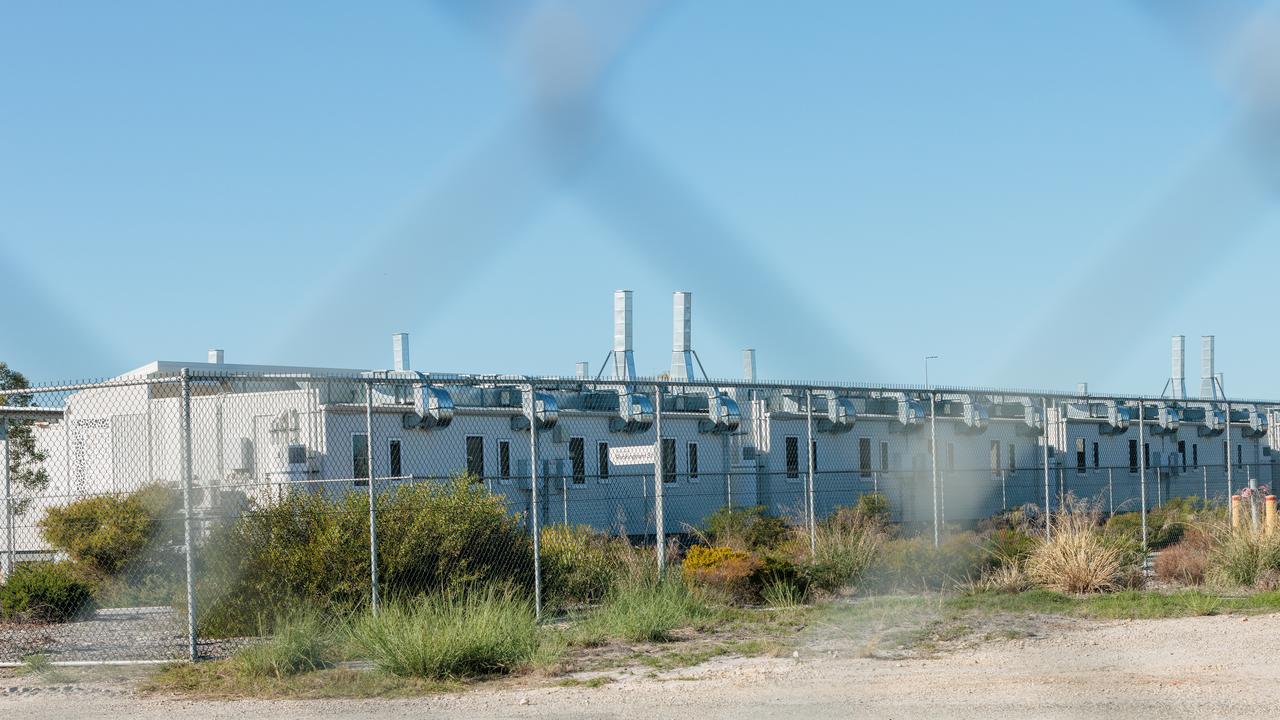
All passengers are currently in good health and show no symptoms. They will be staying at the Centre for National Resilience for at least three weeks. The facility is equipped with amenities such as TV, wi-fi, and balconies, ensuring a comfortable stay during their isolation period.
Quarantine and Testing Procedures
The crew on the flight will also remain in isolation until all passengers receive negative test results for the virus. This process may take up to 24 hours. The passengers are spread across different states, with three residing in New South Wales and two in Queensland. It remains uncertain when they will be allowed to return home, as their quarantine could be extended based on health officer advice.
Global Context of the Outbreak
So far, only 11 confirmed cases have been recorded globally from the latest outbreak, with three deaths associated with those cases. The MV Hondius docked in Tenerife after three people aboard died and others tested positive for the virus. The Andes form of hantavirus can be transmitted from person to person through bodily fluids, including saliva, blood, and urine.
Health Minister’s Statement
Health Minister Mark Butler emphasized that Australia is taking a stronger approach to quarantine arrangements than other countries. He stated, “We are determined to ensure there is no risk at all of any transmission of this virus into the Australian community.” While acknowledging the difficulty of the situation, he thanked the passengers for their cooperation.
Expert Concerns and Risks
University of the Sunshine Coast associate professor Erin Price highlighted that the biggest risk to Australians comes from individuals who had been exposed to hantavirus but did not undergo quarantine. She noted that some passengers disembarked before the outbreak was identified and traveled extensively, posing a significant concern.
Symptoms and Transmission
Symptoms of hantavirus can appear one to eight weeks after exposure, with an infection window believed to be four days, including two days where individuals may be asymptomatic. Early symptoms include flu-like conditions such as fevers, fatigue, muscle aches, headaches, chills, or dizziness. Some passengers have also experienced gastrointestinal symptoms like diarrhea, vomiting, and nausea.
If the virus becomes severe, infected individuals may experience shortness of breath due to fluid accumulation in the lungs, leading to reduced oxygen levels, low blood pressure, heart issues, and potentially death.
Public Health Messaging and Preparedness
Hantavirus is not as infectious as COVID-19, but its long incubation period poses challenges. Experts call for clear, consistent, and science-based messaging from governments to mitigate risks effectively. Ensuring public awareness and adherence to quarantine protocols is crucial in preventing further spread of the virus.