A New Immunisation Program Shows Promising Results
A new immunisation program targeting pregnant mothers and newborns has significantly reduced the number of young babies hospitalised with a serious respiratory virus, according to a recent report. The analysis compared 2024 and 2025 hospitalisation data, revealing a 43.8 per cent drop in respiratory syncytial virus (RSV) admissions across 13 hospitals in Australia for babies under three months old.
RSV is a highly contagious virus that can lead to pneumonia and bronchiolitis, making it a leading cause of hospitalisation among infants under 12 months. Each year, approximately 12,000 Australian babies under one year are hospitalised with RSV, mostly during autumn and winter.
The study also showed a 20.1 per cent reduction in hospital admissions for babies aged three to six months and an 8.5 per cent decrease for those between six and 12 months. These preliminary results are currently undergoing peer review and were conducted by The Kids Research Institute Australia, the National Centre for Immunisation Research and Surveillance, and Monash University, in collaboration with 13 hospitals across the country.
Vaccination Access for Pregnant Women
Pregnant women have had free access to the RSV vaccine under the National Immunisation Program since February last year. Newborns who did not receive protection during their mothers’ pregnancy were eligible for the monoclonal antibody nirsevimab through state and territory-funded programs.
According to the report authors, babies born to mothers who received the vaccine were 80 per cent less likely to be hospitalised, while those who received the monoclonal antibody were 90 per cent less likely to be admitted.
Ushma Wadia, a paediatrician and clinician-scientist at The Kids Research Institute, highlighted the severity of RSV. She noted that some babies may require intensive care, intubation, or breathing support. Dr Wadia, who is involved in unrelated studies funded by Pfizer and Sanofi, said the immunisation program demonstrated “amazing” effectiveness over a single season.
“I’m very encouraged by these figures. I’ve seen that reduction on the wards, where we’re not seeing these babies coming in with bronchiolitis as we did two years ago,” she said.
Dr Wadia added that RSV places significant pressure on hospitals each respiratory season. “Now we have the ability to… hopefully free up those beds that were being taken up by children that had RSV infection and ensuring that now we have beds and resources that are available for those who need them.”
A Personal Decision for Protection
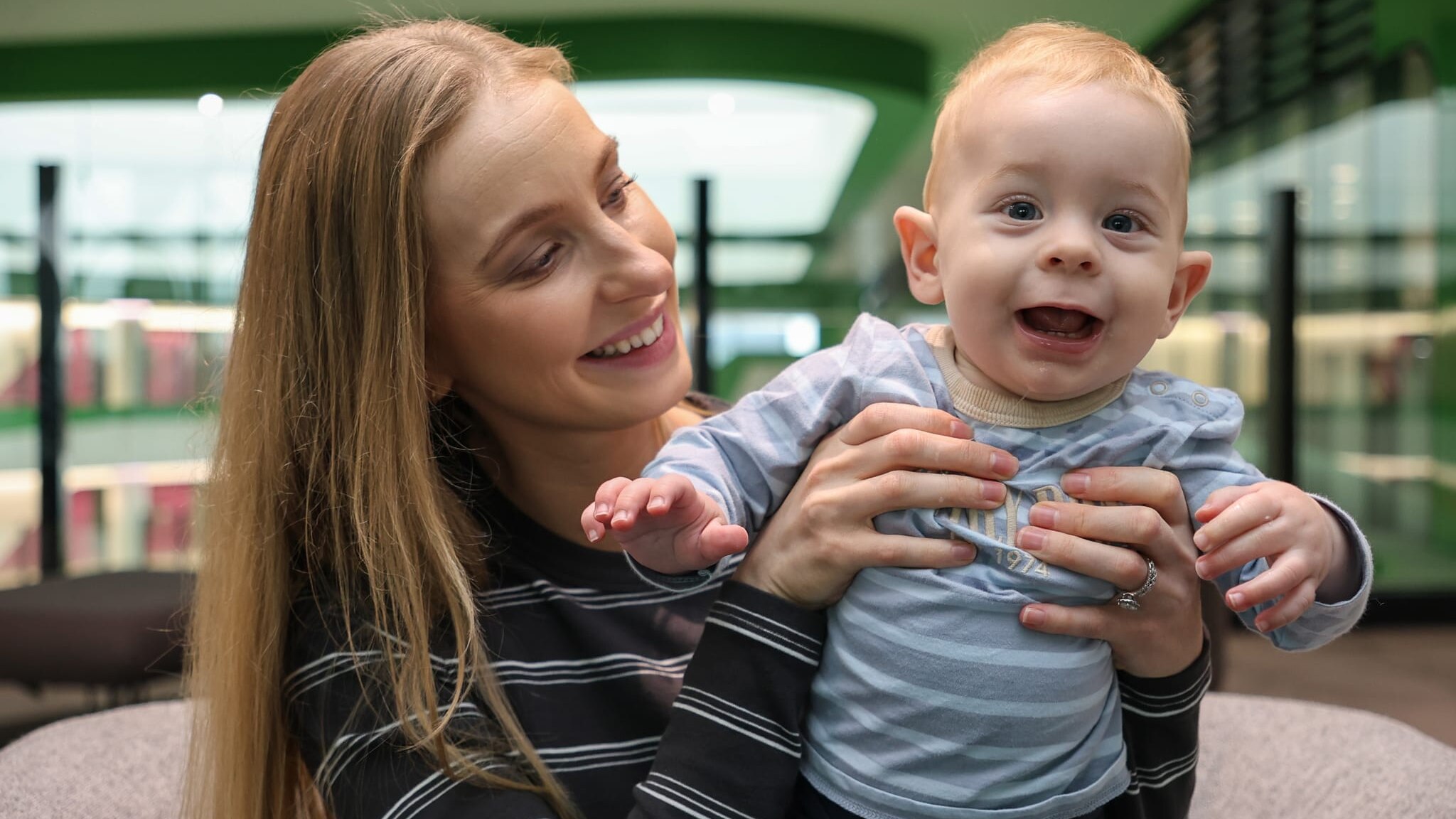
For first-time mother Katryna Cygler from Perth, the decision to get vaccinated was straightforward. She had the vaccine when she was pregnant with her son, Hugo, who is now nine months old.
“I had heard some pretty horrible stories from friends that had babies that had gone to hospital with the virus,” Ms Cygler said. “I just knew that it was a pretty deadly virus for some of the babies… so it was a no-brainer for me really to go ahead and have the vaccine.”
Expert Opinions and Future Goals
Paediatrician and clinical epidemiologist Terry Nolan, who was not part of the study, praised the latest data but called for a stronger focus on expanding access to the vaccine for more pregnant women and the monoclonal antibody for more babies.
“With full and effective delivery of the maternal and infant immunisation program, we could possibly even double those impact numbers down the track,” he said. Professor Nolan suggested the government should aim for at least 95 per cent of infants to be protected, either through the maternal vaccine or the monoclonal antibody.
“That’s a very simple thing to do,” he said. Professor Nolan, who has received consultancy fees from Pfizer and Sanofi in the past, believes this goal is achievable.
Understanding RSV
RSV is a highly infectious virus spread via droplets and is the most common cause of respiratory infections in children. Most children will catch the virus at least once before they turn two, according to health authorities. Symptoms include a runny nose, cough, fever, wheezing, and difficulty breathing.
Nick Wood, co-author of the study and a paediatrician at the National Centre for Immunisation Research and Surveillance, explained that autumn marks the start of “RSV season.” He noted that cases typically rise around this time before flu cases increase.
“Every year around about now we see a rise in RSV cases before we see a rise in flu cases,” he said. Professor Wood, who is involved in an unrelated Sanofi-sponsored vaccine trial, described RSV as a distressing illness for both babies and their parents.
“It’s distressing and uncomfortable and worrying and anxiety provoking because having your baby lying in a bed connected to tubes, watching them struggle to breathe is quite distressing.”
Vaccine Availability and Government Support
The maternal RSV vaccine is available to women between 28 to 36 weeks pregnant, offering protection to both the mother and child. Babies gain some protection from the mother’s antibodies, making them less vulnerable to severe disease in the first six months.
In this week’s federal budget, the government announced funding for a free RSV vaccine for older Australians. It will spend $449.3 million to list the vaccine Arexvy on the National Immunisation Program, making it free for patients over 75. Aboriginal and Torres Strait Islander people are eligible from the age of 60.
The study’s “declaration of interest” reported that several authors have worked on trials supported by pharmaceutical companies, including those that produce RSV vaccines and the monoclonal antibody nirsevimab, with no personal remuneration. It also stated that several had received travel and accommodation support or honorariums paid to their institutions for speaking and advisory roles.