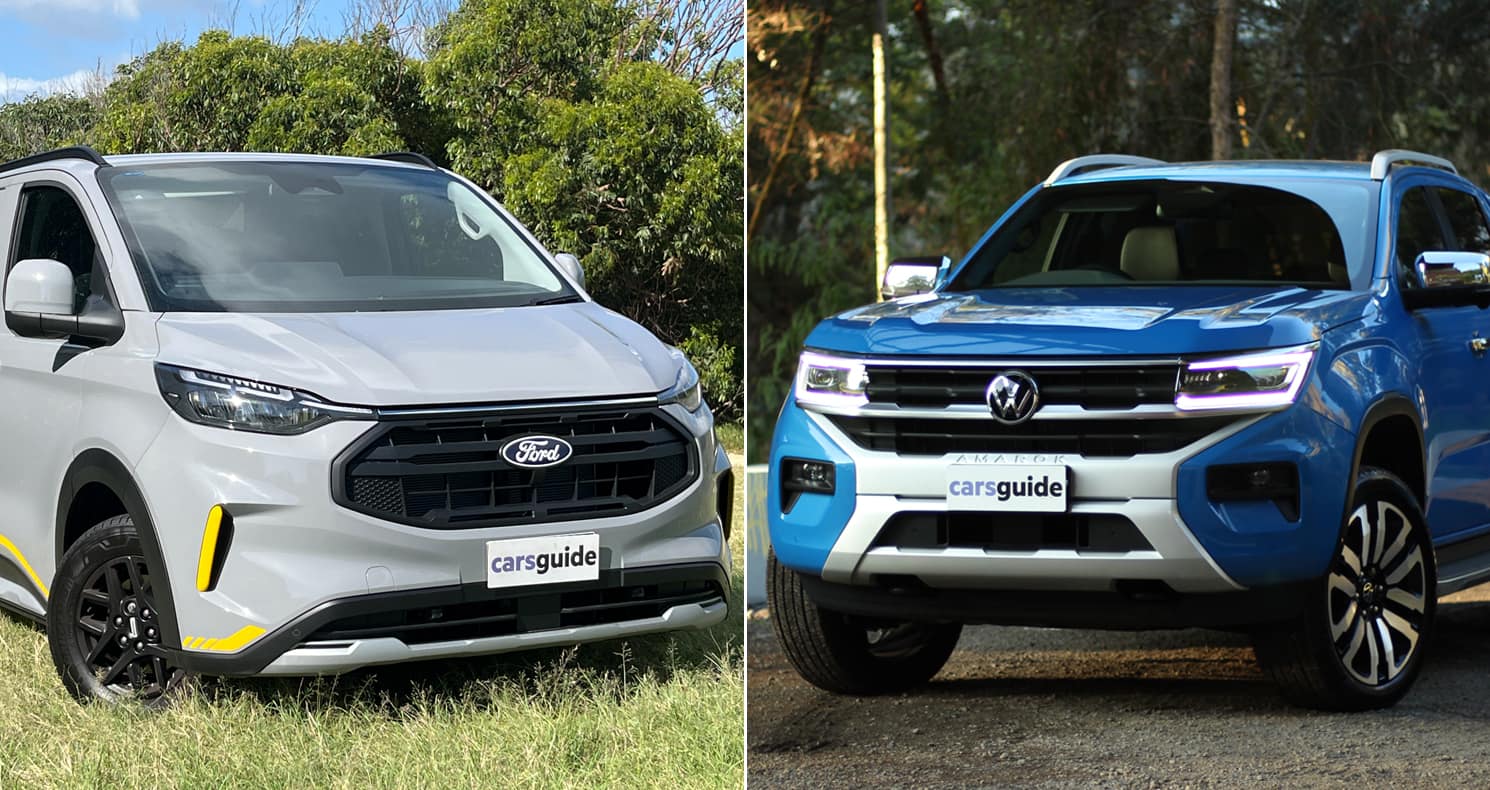
When it comes to adventure touring and off-roading, utes have long been a popular choice. However, as you travel across the country, it’s clear that vans are just as, if not more, commonly used for weekend getaways, long road trips, and other adventures. The popularity of #vanlife is no coincidence.
So, does a van hold more potential than a ute when it comes to being an adventure vehicle?
There are several factors to consider when comparing these two types of vehicles. While a 4WD ute is generally better suited for off-roading, there are certain advantages that vans offer in terms of practicality and versatility.
Key Differences Between Vans and Utes
In terms of engine performance, transmission, power, torque, and driver-assist technology, vans and utes are fairly comparable. However, the main differences lie in their 4WD setup, ground clearance, off-road angles, and load space.
A 4WD ute is designed specifically for off-roading and typically has better off-road driver-assist technology, ground clearance, and wheel travel compared to a van. If your plans don’t involve challenging off-road conditions, then these features may not be essential for you. In such cases, a van can be a more suitable option due to its spacious load area.
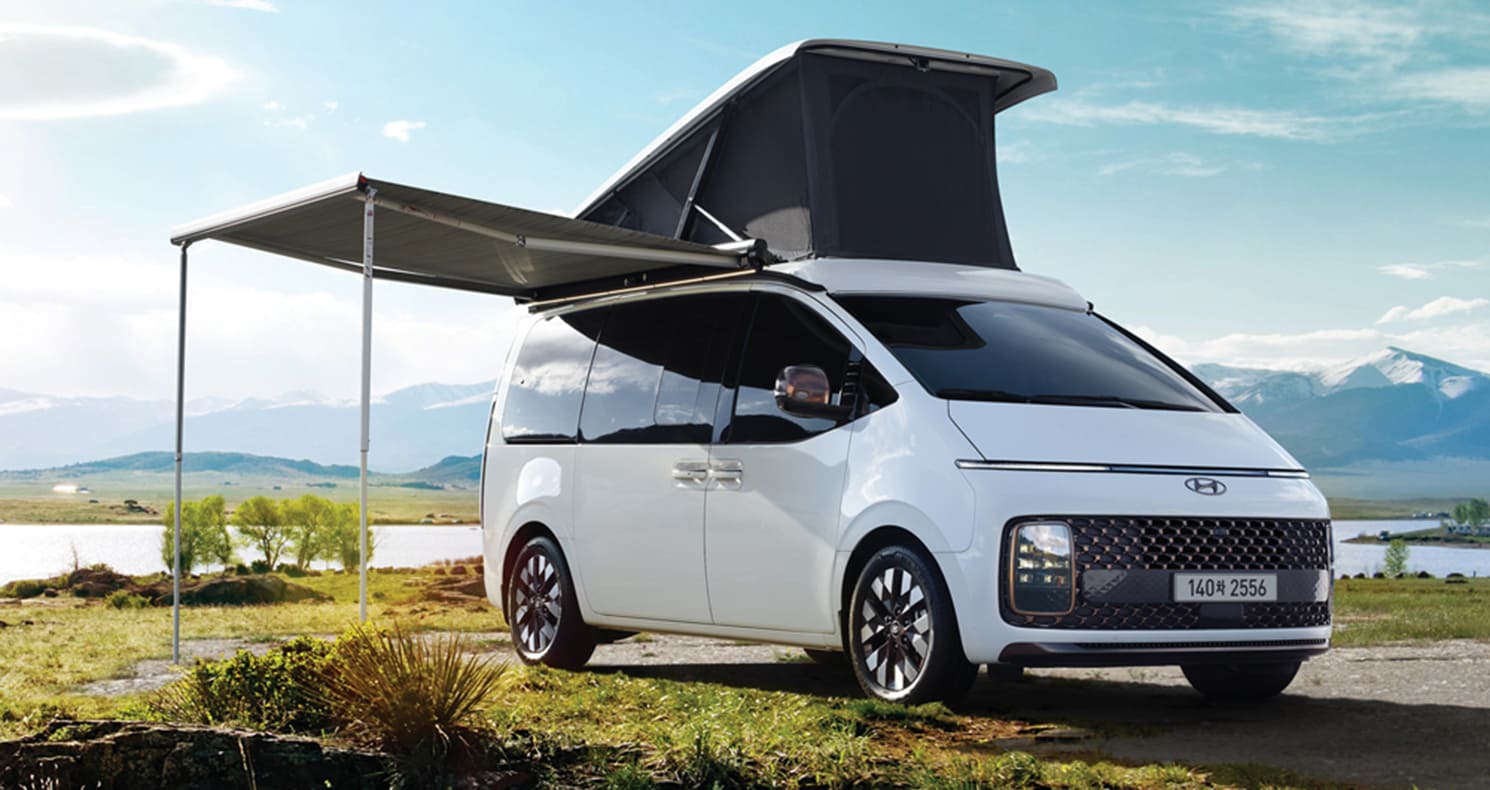
One of the biggest advantages of a van is its load space. Unlike a ute’s tub or tray, which doesn’t have a roof, a van offers a fully enclosed cargo area. This means you can easily transport tall or awkwardly shaped items without worrying about them extending beyond the vehicle’s roofline.
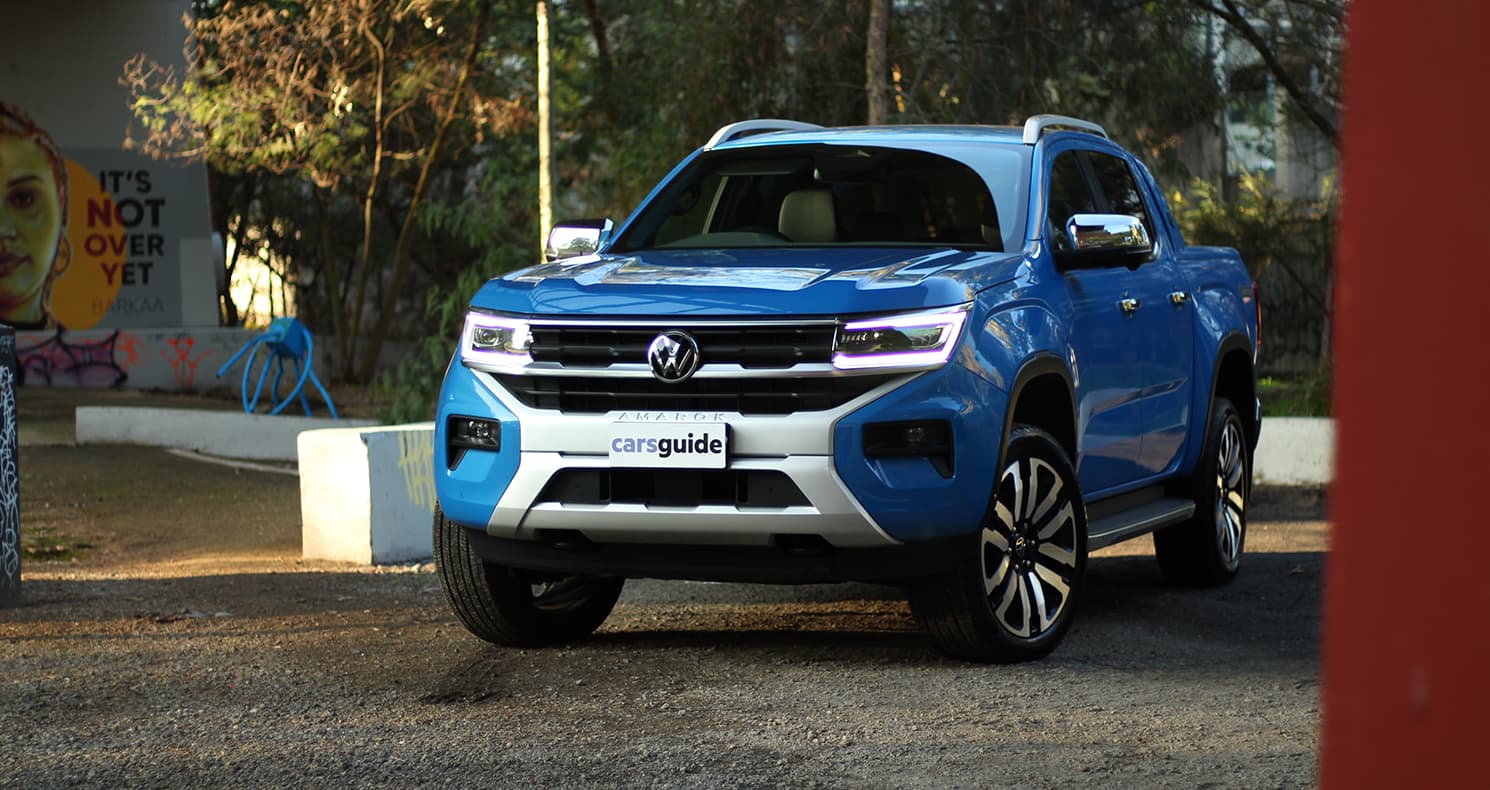
However, utes do offer flexibility in terms of loading. You can load beyond the top edge of a ute’s tub, and there are various options available for securing your cargo, such as tonneau covers, roller shutters, and aftermarket canopies. These provide better security and protection from the elements, though they aren’t as integrated as a van’s factory-built load space.
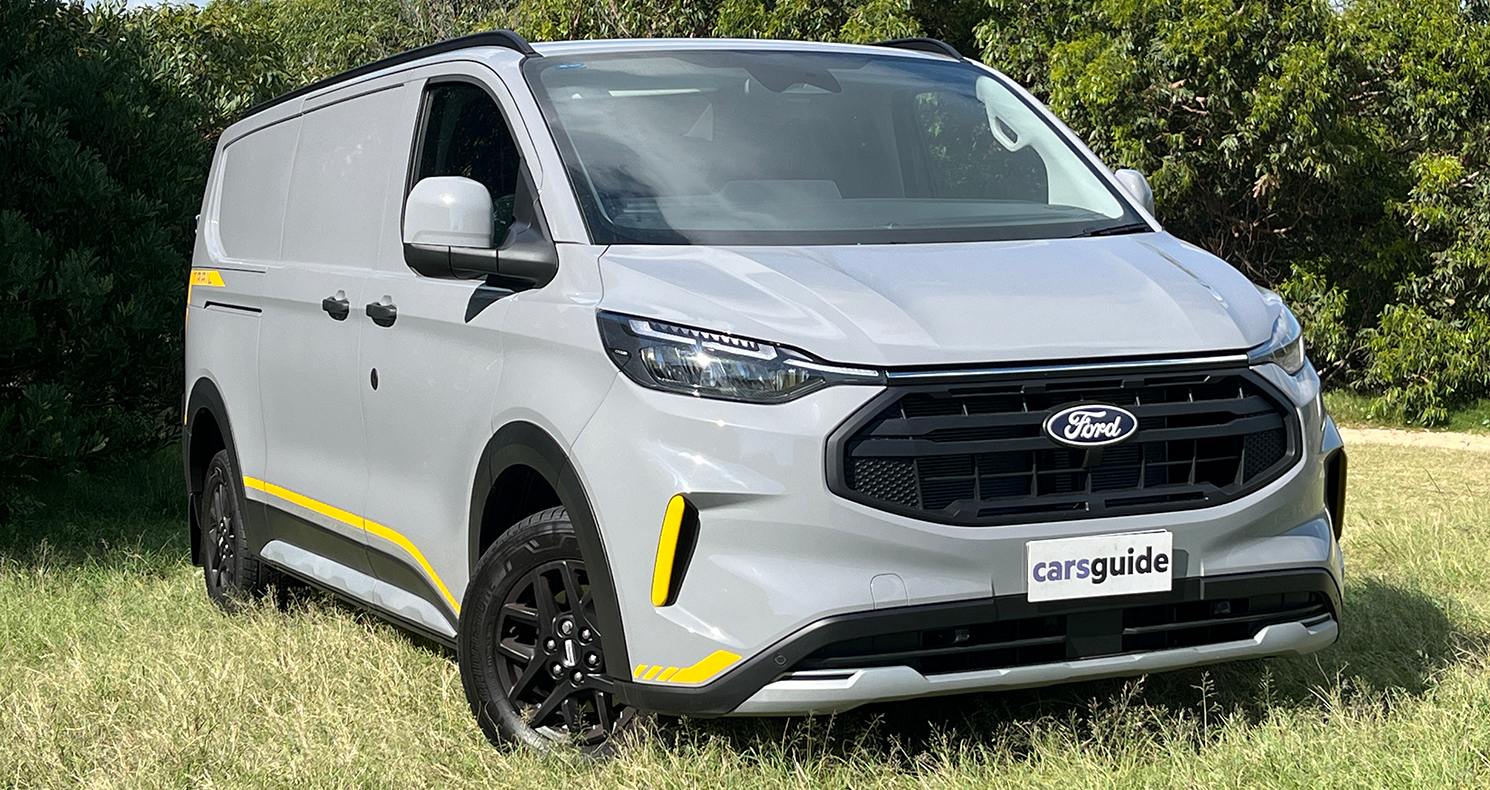
Vans also have a significant advantage when it comes to load capacity. A van’s rear load space can be quite large, making it ideal for carrying work equipment, recreational gear, or even camping supplies. For example, the Ford Transit Custom Trail offers a substantial cargo area with access via a barn door at the rear and optional sliding doors on both sides.
The cargo space in the Ford Transit Custom Trail measures 3002mm in length (to the bulkhead), 1392mm in width, and 1425mm in height. It can accommodate four Euro pallets and has a listed maximum load volume of 6.8 cubic metres. This makes it a versatile option for those who need ample storage space.
Another benefit of vans is their ability to be customized for specific needs. Many vans come with tie-down points, lighting systems, protective flooring, and power points, making them ideal for adventurers who want to convert their vehicle into a mobile home. Some models even feature a bulkhead separating the cabin from the cargo area, providing added security and privacy.
While utes and vans share similarities in terms of cabin design, including storage spaces, cup-holders, and gloveboxes, vans often provide more flexibility for customizing the interior to suit different lifestyles.
Fuel Efficiency and Practical Considerations
Fuel efficiency is another factor to consider. Vans are generally known for offering better fuel economy, especially in urban settings, with average consumption ranging from 6.5 to 9.5L/100km. Utes, on the other hand, tend to be more aerodynamic, which can result in better fuel efficiency during combined driving conditions like highways and bush tracks.
However, the actual fuel consumption can vary depending on the weight and additional equipment installed on either vehicle. Both utes and vans can be fitted with aftermarket accessories like bullbars, roof racks, and storage pods, which can affect their overall efficiency.
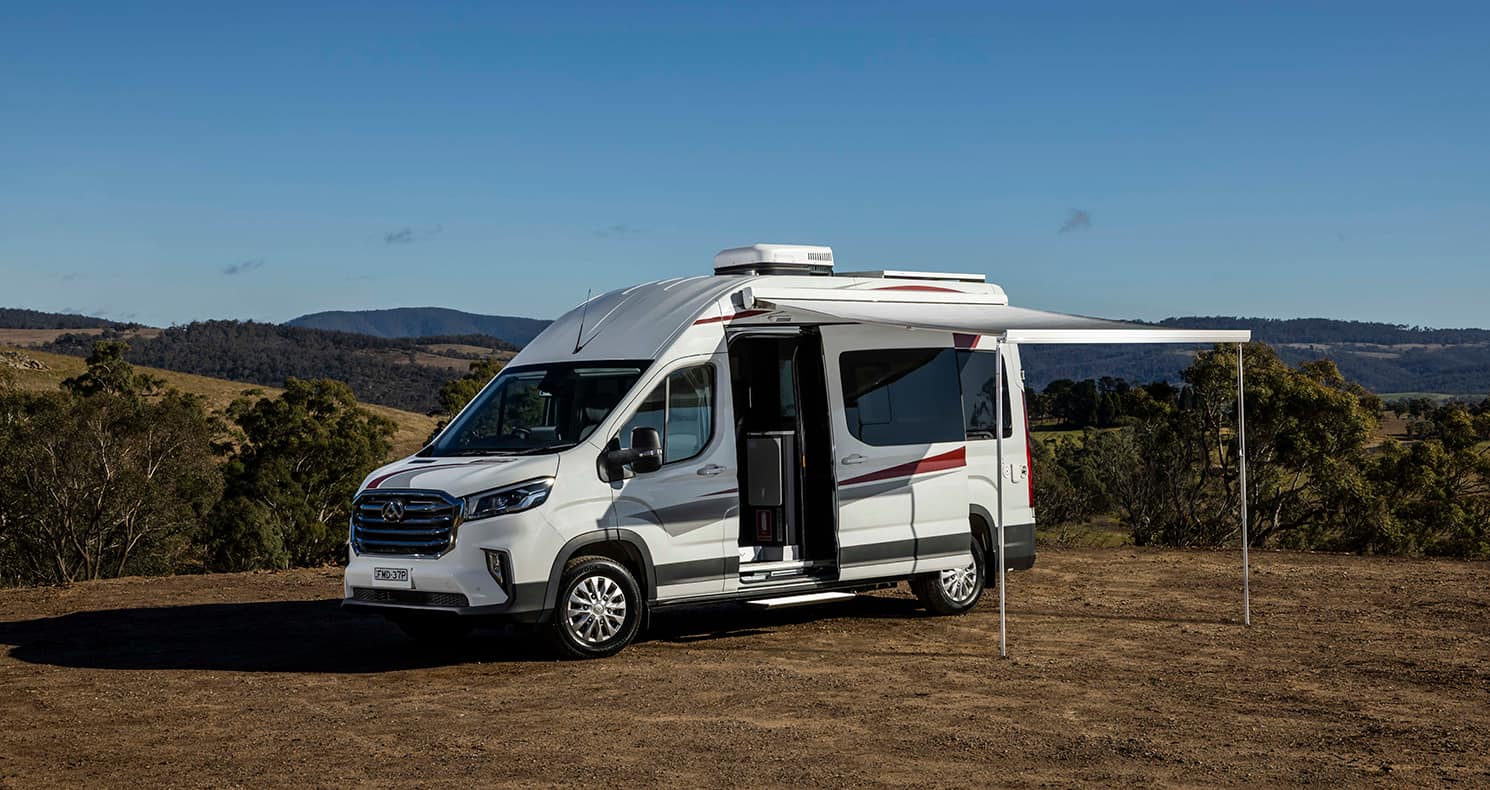
If you’re looking for a ready-made solution, companies like Trakka specialize in converting vans into purpose-built adventure vehicles. Their Akuna model, based on the Volkswagen Crafter, is equipped with advanced safety and comfort features, including a 2.0-litre turbo-diesel engine, eight-speed automatic transmission, and a range of energy storage and power output options.
The Akuna is designed to be a self-contained home away from home, with features like a 170L fridge/freezer, integrated water tanks, and a hot water system. It also offers a towing capacity of 3000kg, making it a versatile option for those who need extra hauling power.
Final Thoughts
Ultimately, the choice between a van and a ute depends on your lifestyle and specific needs. While utes excel in off-road performance, vans offer greater flexibility in terms of load space, customization, and practicality. As the demand for all-purpose adventure vehicles grows, vans are increasingly becoming a strong contender in the market.