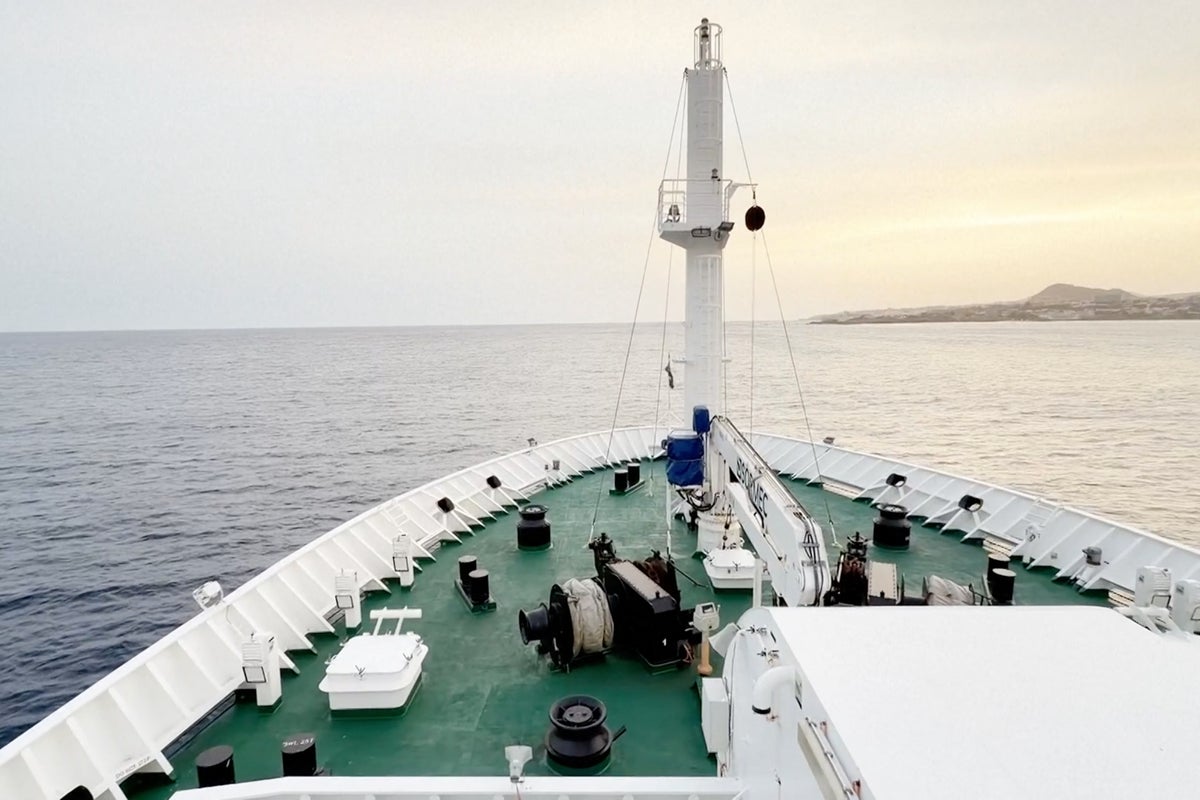
Rising Popularity of Cruise Travel Despite Health Outbreaks
Recent outbreaks of hantavirus and norovirus on cruise ships have been making headlines, but industry representatives and travel experts believe these incidents are unlikely to significantly impact the growing popularity of vacation cruises. In fact, many within the industry still anticipate a record number of people worldwide will take cruises this year, despite several recent health-related incidents.
The MV Hondius, for instance, saw three passengers die from hantavirus after the ship stopped in Argentina, while a recent norovirus outbreak occurred aboard a British ship docked in Bordeaux, France. However, according to Rob Kwortnik, an associate professor at Cornell University’s Nolan School of Hotel Administration, the cruise consumer appears to be somewhat “Teflon” when it comes to such stories.
In mid-April, the Cruise Lines International Association (CLIA), an industry trade group, estimated that 38.3 million people would travel on ocean-going ships this year, representing a 4% increase from the previous year’s record of 37.2 million passengers. While industrywide sales figures remain closely held, the trade association has not commented on potential impacts from the MV Hondius incident. Several major cruise companies, including Royal Caribbean, Norwegian, and Carnival, did not respond to questions from The Associated Press about customer demand.
Oceanwide Expeditions, the Dutch company that owns the MV Hondius, said it doesn’t foresee any changes to its operations. A cruise is set to sail from Keflavik, Iceland, on May 29. Veteran cruisegoers also expressed confidence that the outbreak would not affect their plans.
“I have eight cruises booked, and I’ll absolutely be booking another,” said Jenni Fielding, who blogs and posts social media videos about cruise trips under the moniker Cruise Mummy. “Cruising is as safe as any other type of holiday, provided travelers follow sensible health advice and stay aware of official guidance.”
Scott Eddy, a hospitality influencer currently on a cruise and docked in Monaco, noted that fellow passengers have not mentioned the hantavirus outbreak. “The average traveler understands that this is an isolated health situation and not something unique to cruise travel itself,” he said.
CruiseCompete.com, an online marketplace where consumers can compare offers from travel agents, reported a 31.7% increase in cabin bookings during the first half of May compared to the same period last year. CEO Bob Levinstein stated, “I can categorically say that we have not seen any drop in demand.”
Levinstein explained that norovirus — an extremely contagious stomach bug that thrives in crowded environments — is often conflated with cruises in the minds of many Americans due to the U.S. Centers for Disease Control requiring ships to disclose when 3% or more passengers report symptoms. On a ship with 5,000 passengers, an illness impacting 3% of them “goes completely unnoticed by the vast majority of vacationers, and experienced cruisers know this.”
Current news cycles rarely impact passengers’ decisions to join a cruise because the trips are generally booked at least six months — and sometimes as much as a year — in advance, Kwortnik said. “People who are booking cruises tomorrow are thinking about the holidays,” he added.
During a conference call with investors, Switzerland-based cruise line Viking noted that demand for its river cruises softened briefly during the first three months of this year after the Iran war began but quickly rebounded. Viking reported that 92% of its 2026 cruises and 38% of its 2027 cruises were booked. The company did not mention hantavirus or norovirus.
Andrew Coggins, a cruise industry analyst and professor at Pace University’s Lubin School of Business, said even if travelers set to embark on a cruise soon are unnerved by the latest news, they’re unlikely to get a refund. “I think if there’s any impact on demand, it would be in the long term. If you’re cruising in the next few months, you’re past the point at which you can get your money back,” he said.
Coggins pointed out that the hantavirus story gained significant attention because it reminded people of the Diamond Princess, which was quarantined off Japan for two weeks in early 2020 after the coronavirus was detected on board. The COVID-19 pandemic devastated the cruise industry, shutting down many smaller operators. Cruises didn’t see a recovery until 2022, according to Coggins.
While there are still fewer cruise passengers from China and Japan than before the pandemic, demand elsewhere is booming, according to CLIA. Coggins noted that there are new ships on order out to 2037, with cruise lines being bullish about future growth. They aim to offer new features, ports, and destinations.
One reason for the continued growth of cruising is its broad appeal across generations and income levels. A recent U.S. survey by Bank of America found that Generation Z respondents and millennials were the most likely to plan to cruise over the next 12 months. The survey also showed that cruise spending rose for lower-income households, even as those households spent less on airfare and lodging. Cruise lines have been targeting these passengers with shorter, more affordable itineraries.
Kwortnik emphasized that cruising offers travelers value for their vacation dollars. “On average, it costs more just to stay at a hotel in Miami than it does to sail on a cruise out of Miami – and the cruise includes lodging, multiple destinations, food, entertainment, and transportation all in the fare,” he said.