The Journey of Schapelle Corby
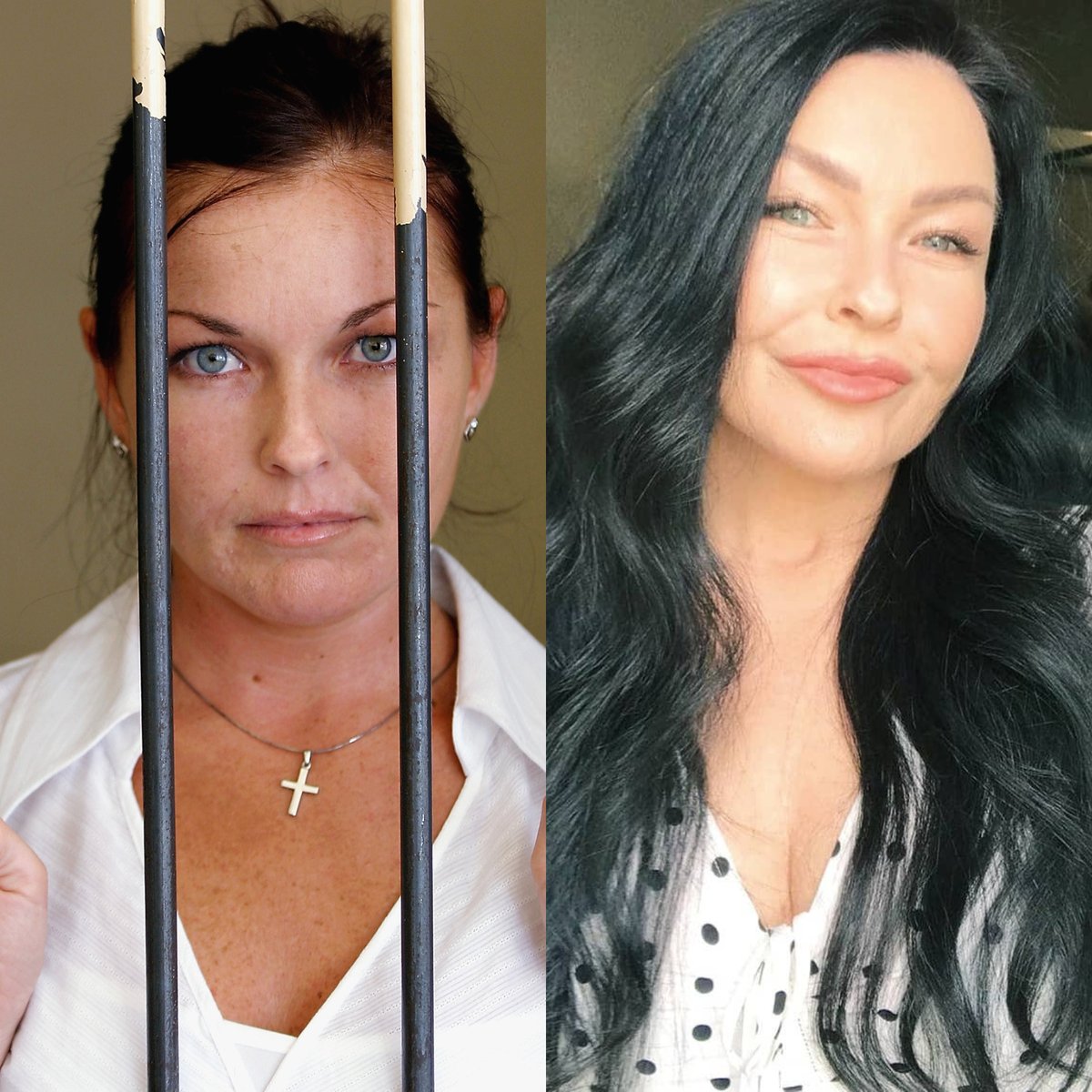
Schapelle Corby made headlines in 2017 when she returned to Australia after spending almost a decade in Bali’s Kerobokan Prison. Her story began over 12 years earlier, when the Queensland woman was convicted of smuggling 4.2kg of cannabis into Bali in her bodyboard bag. From the moment she was charged with importing cannabis, imprisoned and ordered to stand trial, Corby’s case quickly became a national fixation.
21 years later, her life looks very different. These days, she lives on Queensland’s Gold Coast and has taken up a unique hobby. Here’s everything we know about what Corby did and where she is now.
What Did Schapelle Corby Do?
Schapelle Corby first made headlines in October 2004 when she was caught carrying 4.2kg of cannabis at Denpasar’s Ngurah Rai Airport after flying from Brisbane to Bali with her brother and two friends. At the time of her arrest, Corby denied putting the cannabis wrapped in a double plastic vacuum-sealed bag in her unlocked bodyboard bag. She also claimed that she had no knowledge of the drugs until the bag was opened by customs officials.
“I just saw plastic and thought, ‘This isn’t supposed to be here. I didn’t put it there’,” the then-27-year-old told reporters. “I shouldn’t be here. So I’m just trying to be strong and I’m just lucky that I’ve got a really good family and friends to help me get through.”
After being imprisoned and ordered to stand trial over the importation of the drugs, Corby’s trial began in January 2005. From the moment it started, every single move Corby and her family made was covered by the Australian media, as the public became more and more fascinated with the case.
Although the defence claimed that the drugs had been planted in Corby’s luggage by a criminal syndicate of baggage handlers, the panel of judges presiding over the case soon determined that the evidence simply didn’t stack up and by May 2005, Corby was sentenced. Standing before the judges, Corby broke down in tears as she was found guilty and sentenced to 20 years in prison.
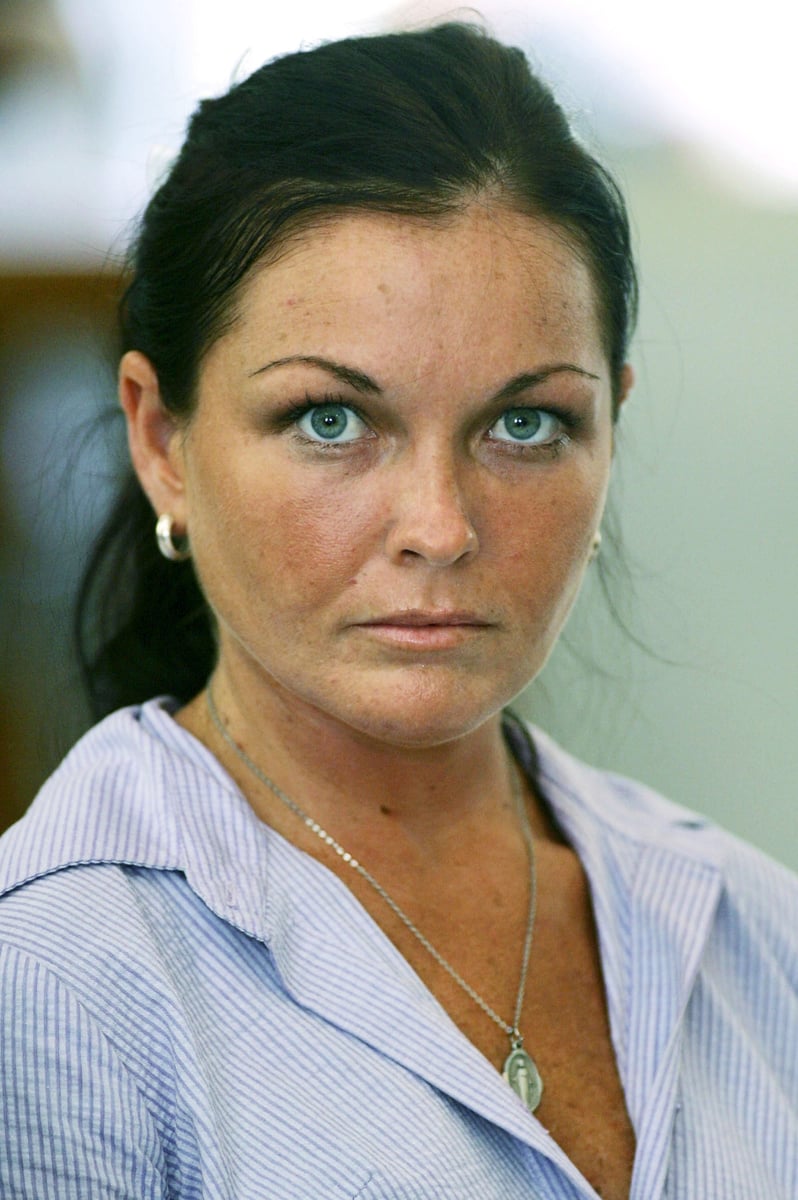
Image: Getty.
During her time in prison, Corby was hospitalised twice for mental health issues. “Mental illness is real and there were a lot of people who accused me of faking it – you can’t fake that,” Corby told The Sunday Telegraph in 2019. “It’s so amazing that I’m actually here. I did not think I would actually be able to leave, like I would die in there,” she added. “I’m still adjusting two years later.”
In the years after her conviction, Corby and her family maintained her innocence and launched a number of appeals. In April 2012, then-Indonesian president Susilo Bambang Yudhoyono granted Corby clemency due to mental illness, cutting five years off her prison term.
Schapelle Corby is on a new reality show. Image: Channel Seven.
What Does Schapelle Corby’s Life Look Like Now?
In May 2017, over a decade on from her arrest, Schapelle Corby returned to Australia. In an interview with Woman’s Day in 2018, Corby said she spends her time (when she is not jumping out of helicopters on TV) reading and swimming at home in their pool or at her local beach. “I just live day by day,” she said. “I’m just happy to be alive. I’m going to cry… I’m just so happy to be alive.”
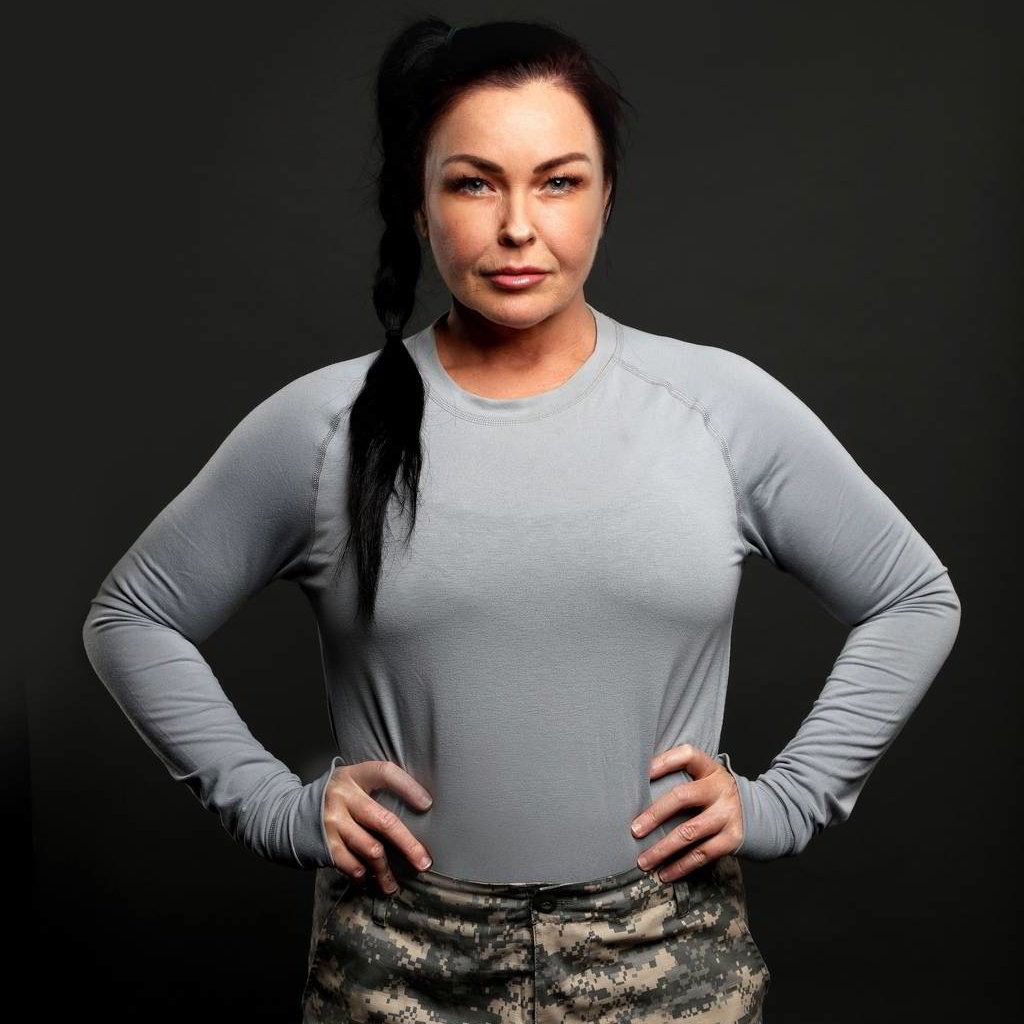
In 2020, Corby appeared on Channel 7’s reality television show SAS Australia, alongside the likes of Nick ‘Honey Badger’ Cummins and Candice Warner. The show is based on a UK format where contestants undertake physical and psychological tests similar to the Special Air Service experience. Speaking to 7News at the time, Corby said: “We go into the SAS as a number, not a name, which is significant for me because I won’t be Schapelle Corby, I will just be a human being. I wanna stop being institutionalised. I want to open my freedom to a happier life, a more fulfilling life.”
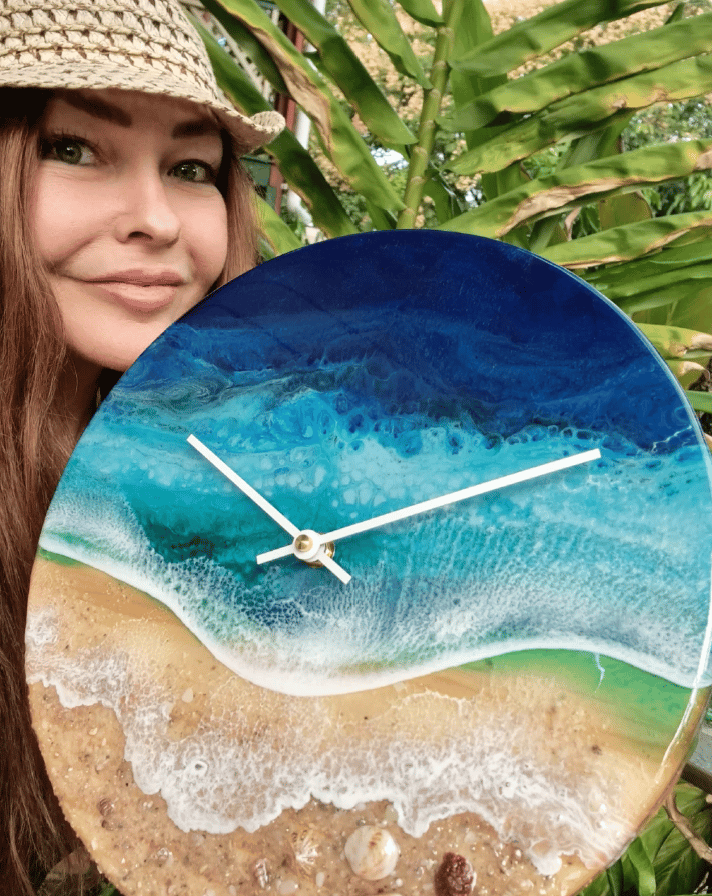
Schapelle Corby launched a business selling handmade epoxy resin clocks. Image: schapelles-epoxy-art.com.
Today, the 48-year-old resides on Queensland’s Gold Coast. A lot of her time these days is taken up by her epoxy resin art business that she launched in 2020. Six years on, she still makes and sells handmade resin clocks. Speaking to PerthNow in a recent interview, Corby said clock-making is more of a hobby than a means to make a living and is not her only form of work. “I do have a job. My clocks are a hobby that I love. My time in my studio has become less because of work/life,” she said. “I’ve been creating my clocks with love for almost five years.”