The Legal Battle Over Free Speech and Artistic Expression
Jayson Gillham, a renowned concert pianist, has denied allegations that he intentionally misled the Melbourne Symphony Orchestra (MSO) about his plans to perform a piece dedicated to journalists who were killed in Gaza. This case has sparked a significant legal debate over the boundaries of free speech in Australian workplaces.
The incident dates back almost two years when Gillham performed “Witness,” a composition by Connor D’Netto, at an MSO concert. Before the performance, he made onstage comments about Israel’s actions, specifically referencing the targeting of journalists to prevent the documentation and broadcasting of war crimes. These remarks led to the cancellation of an upcoming performance at the Melbourne Town Hall due to safety concerns.
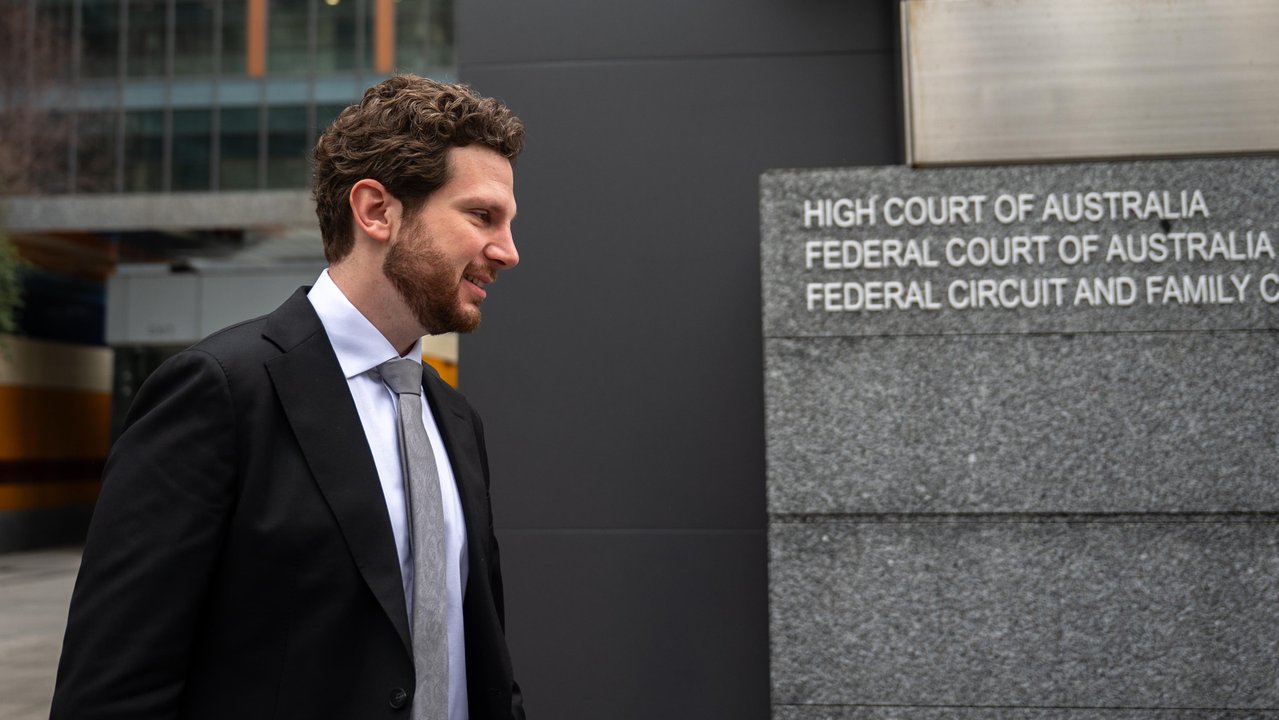
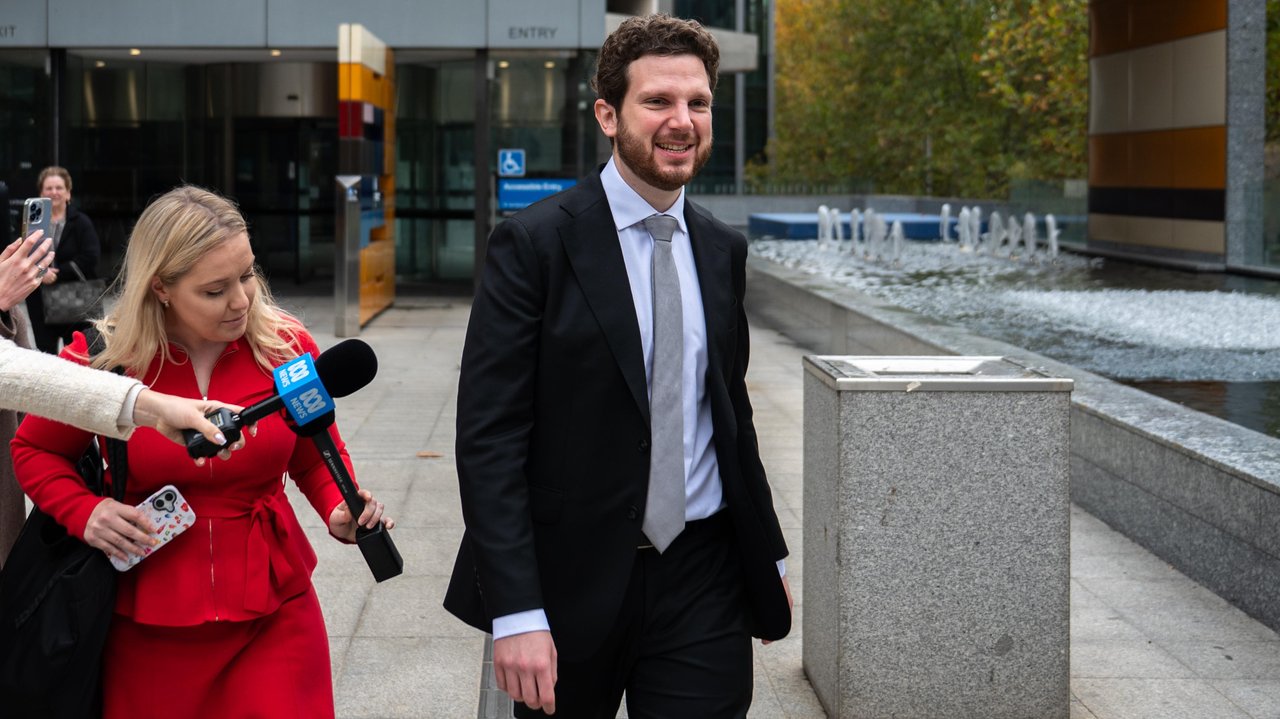
Gillham is now suing the orchestra in the Federal Court, claiming discrimination based on his political beliefs. This case will examine how far free speech can extend within the workplace, particularly in the arts sector.
During the trial, Gillham admitted that he had not informed the orchestra or his agent about his intention to play the piece. He expressed concerns that the MSO might have found an excuse to prevent the performance. His comments during the concert prompted the orchestra to cancel the event, citing safety issues.
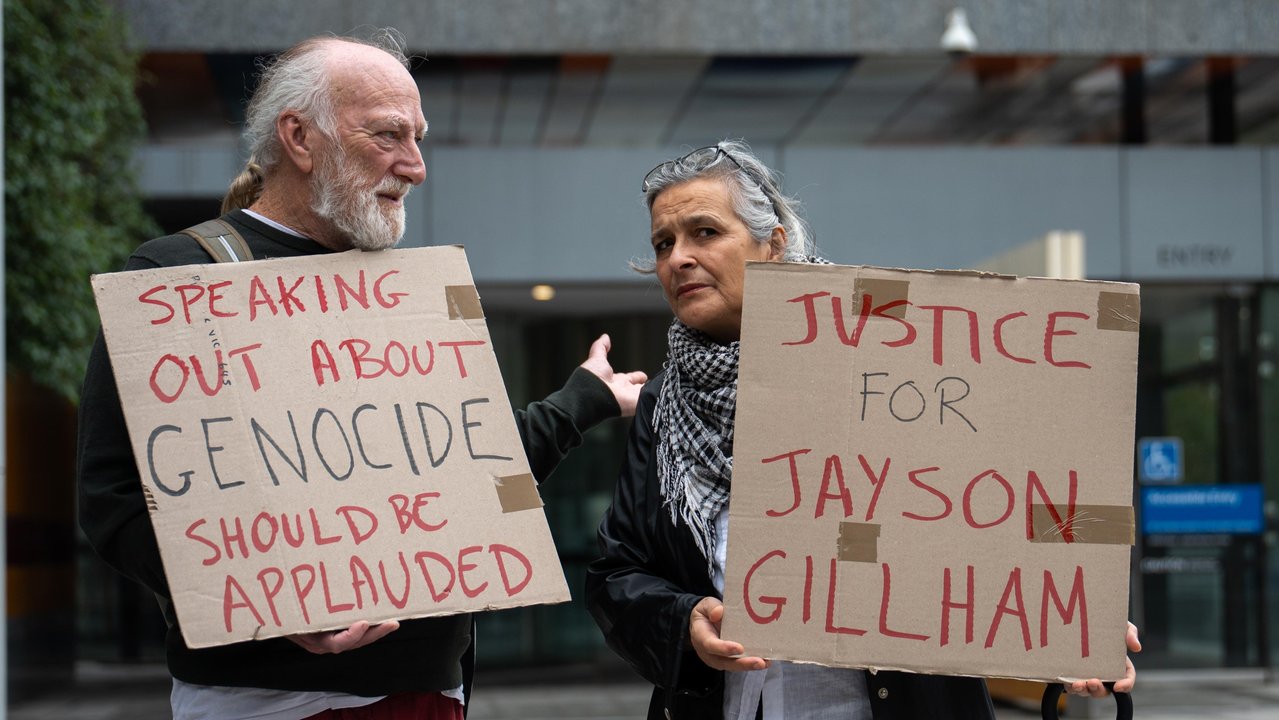
In response, the MSO argued that Gillham should have anticipated that his comments would upset some members of the audience. The organization felt misled, as they had no prior warning about the content of his remarks. MSO barrister Justin Bourke KC stated that Gillham was aware of the potential controversy surrounding his statements.
Gillham’s legal team, represented by Sheryn Omeri KC, emphasized that the case centers on the right to freedom of expression for workers. They argued that the pianist’s comments were lawful and that audience members who were uncomfortable could have simply left the venue. Omeri highlighted that there is a distinction between feeling uncomfortable and feeling unsafe, noting that nothing in Gillham’s speech posed a threat to anyone’s safety.
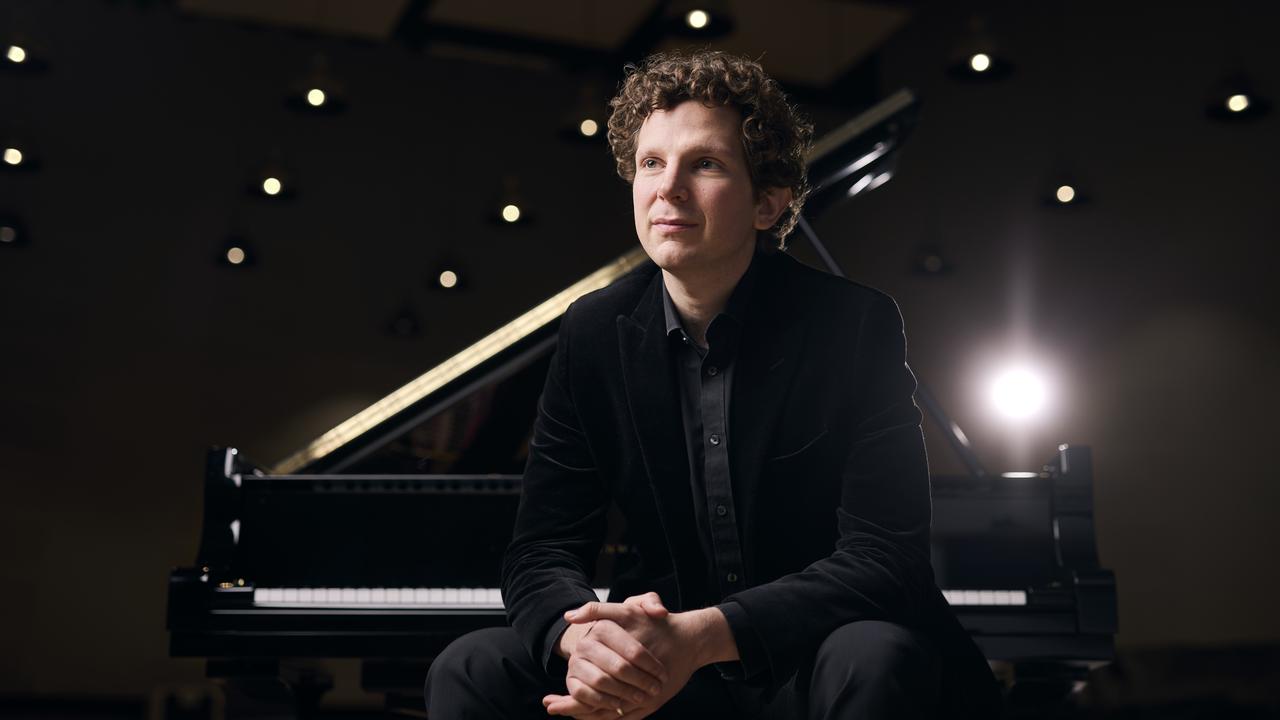
The MSO received one written and two verbal complaints following the concert. However, after the decision to cancel Gillham’s next performance, the orchestra faced 487 additional complaints. Despite this, the MSO maintains that it has the right to control its stage, especially when dealing with highly controversial statements.
Bourke argued that allowing unfettered free speech on stage could have significant consequences, including impacting ticket sales, sponsorships, and donations. He suggested that such a policy would be impractical if an artist wished to speak on stage for an extended period.
Justice Graeme Hill encouraged both sides to avoid excessive rhetoric regarding events in the Middle East. He questioned whether the court was opening a “can of worms” by delving into the conflict between Palestinians and Israelis, which escalated on October 7, 2023, when Hamas launched an attack in southern Israel that resulted in over 1,200 deaths. Since then, more than 72,000 Palestinians have been killed in the Gaza Strip, according to the United Nations.
The trial is expected to last three weeks, with the MSO planning to call approximately 20 witnesses. This case will continue to draw attention as it navigates the complex intersection of free speech, artistic expression, and workplace policies.