Retail Sector Faces Deepening Crisis on the High Street
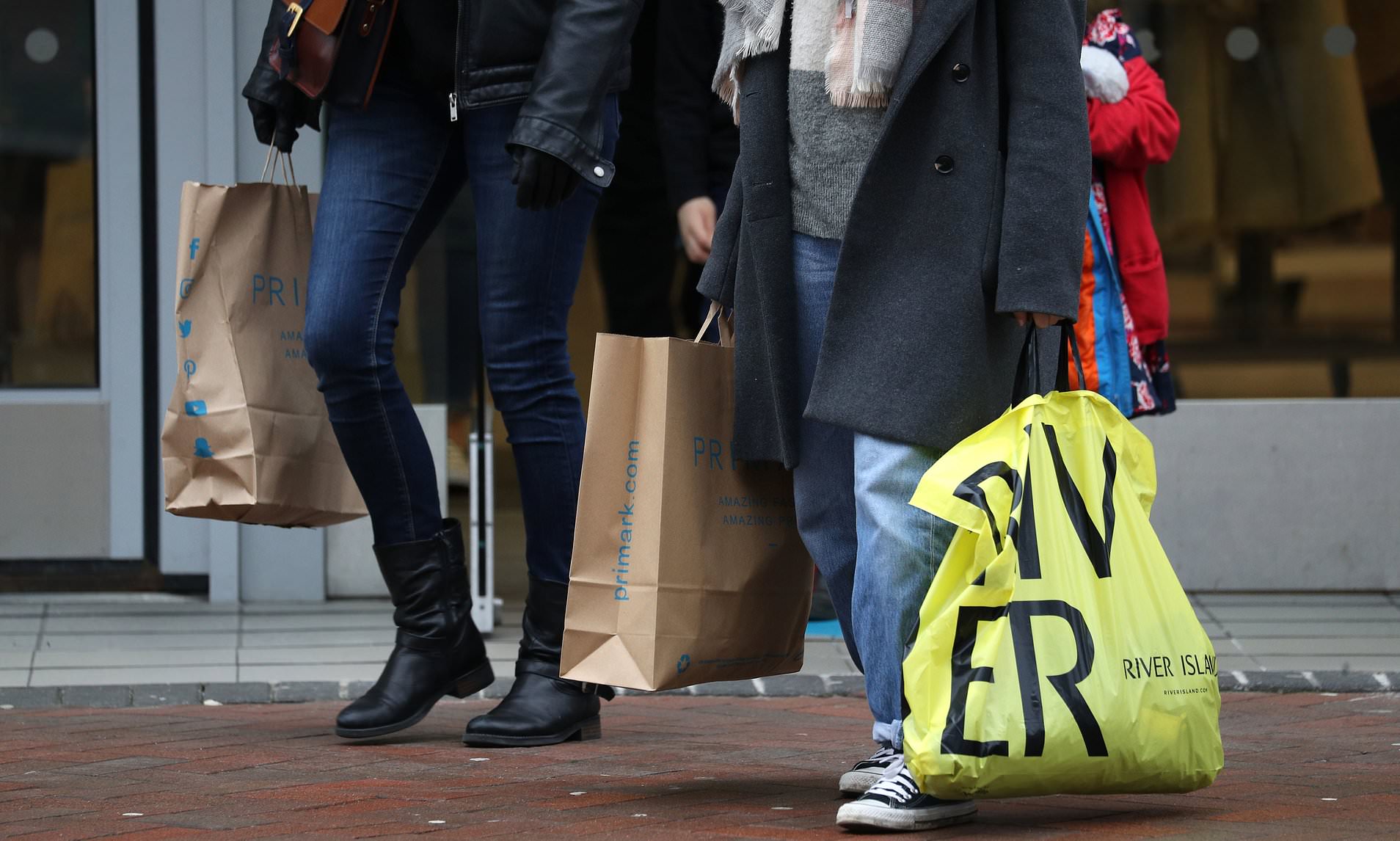
The retail sector in the UK is experiencing a significant downturn, with shopper numbers dropping to their lowest levels since the pandemic lockdowns five years ago. According to the British Retail Consortium (BRC), there was a 10.7 per cent decline in footfall in April compared to the same period last year. This marks the biggest drop since March 2021, when the country was under strict pandemic restrictions.
While the decrease was partly influenced by the timing of Easter, which fell in April rather than March this year, the overall trend over the two months still showed a 3.9 per cent decline in shopper numbers compared to the previous year. Experts believe that rising inflation, driven by conflicts in the Middle East, has led consumers to cut back on spending.
This sentiment was echoed by researchers at RSM, who warned that the situation could worsen as consumers adopt a “wait and see” approach. Helen Dickinson, chief executive of the BRC, noted that the ongoing conflict had pushed consumer confidence to its lowest levels, resulting in fewer trips to physical stores.
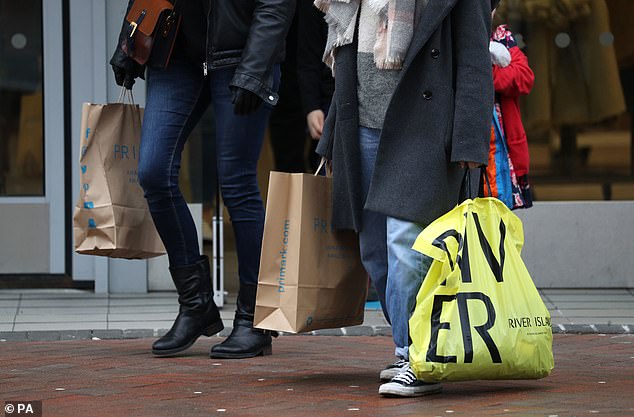
A report from the BRC highlighted that all retail environments, including high streets, retail parks, and shopping centres, have been affected. Andy Sumpter, a retail consultant at Sensormatic, who collaborated with the BRC on the research, described the figures as a “sobering reminder of how fragile the recovery in retail footfall remains.”
Fuel prices have surged following the outbreak of war, and concerns about potential increases in grocery and energy bills are also contributing to the economic uncertainty. According to consultancy RSM UK, families now have less money left each month after purchasing essentials. The percentage of disposable income available for non-essential spending dropped from an average of 26.9 per cent in February to 23.1 per cent in April.
Jacqui Baker, head of consumer markets at RSM UK, stated that the slowdown in spending is expected to accelerate as consumers remain cautious. She added that during economic downturns, households typically reduce spending on retail and dining out first, which means tougher times are likely ahead for businesses in the consumer-facing sector.
Impact on Specific Retailers
The challenges faced by the retail sector have already led to job losses and store closures. Just days before these reports were released, hundreds of jobs were put at risk at WH Smith shops, which were rebranded as TG Jones. The high street arm of WH Smith was acquired last year by private equity firm Modella for £40 million and rebranded as TG Jones. The company is now planning to close up to 150 of its 450-plus stores, with 5,000 employees facing potential redundancies.
In addition, last month, Claire’s Accessories shut down all 154 of its stores in the UK and Ireland, resulting in around 1,300 workers losing their jobs. These developments highlight the growing instability within the retail industry.
Calls for Government Action
Retailers are urging the government to take action on domestic policies that could help businesses mitigate price rises, job losses, and shop closures. They argue that measures such as support for small businesses, investment in infrastructure, and policies to stabilize inflation could provide much-needed relief to the struggling sector.
As the crisis continues to unfold, it remains to be seen how the retail landscape will evolve in the coming months. With consumer confidence at a low and economic pressures mounting, the path to recovery may prove to be long and challenging.