Tennis Players at Roland-Garros to Limit Media Appearances Over Prize Money Dispute
Tennis players competing at the upcoming French Open are set to reduce their media appearances in a move aimed at drawing attention to their concerns over prize money distribution. This decision comes as several top-ranked players express dissatisfaction with their share of the tournament’s revenue, which they claim is significantly lower than what is offered at other grand slam events.
The dispute centers around the percentage of prize money that players receive from the overall revenue generated by the event. According to recent reports, players at Roland-Garros are receiving an alleged 14.3 per cent of the total revenue, compared to 22 per cent at other ATP and WTA events. This discrepancy has led to growing frustration among some of the sport’s most prominent figures.
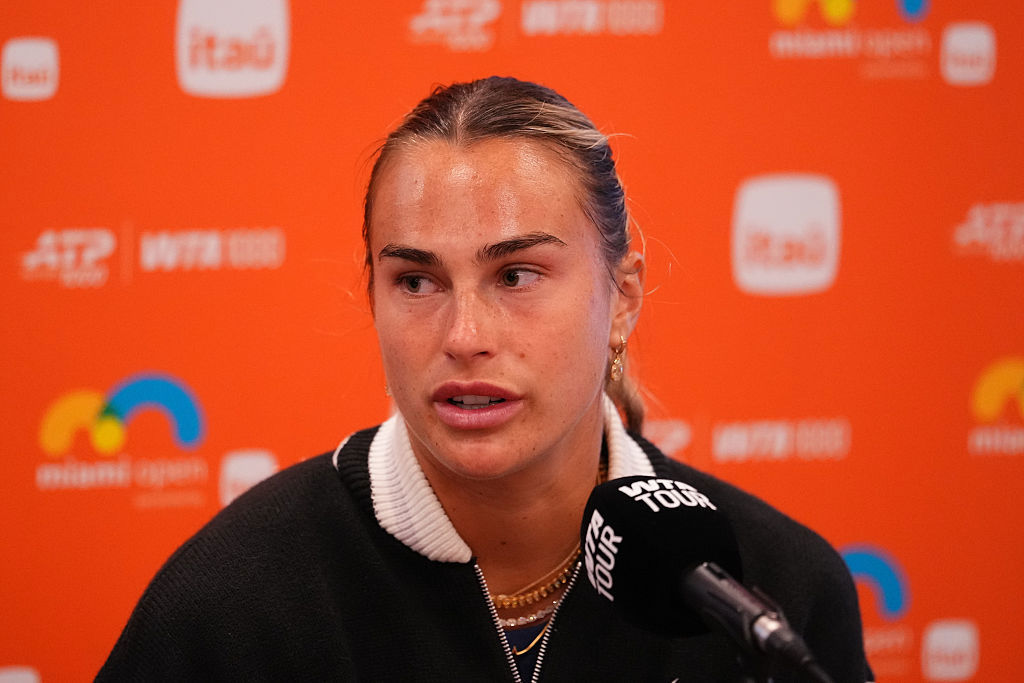
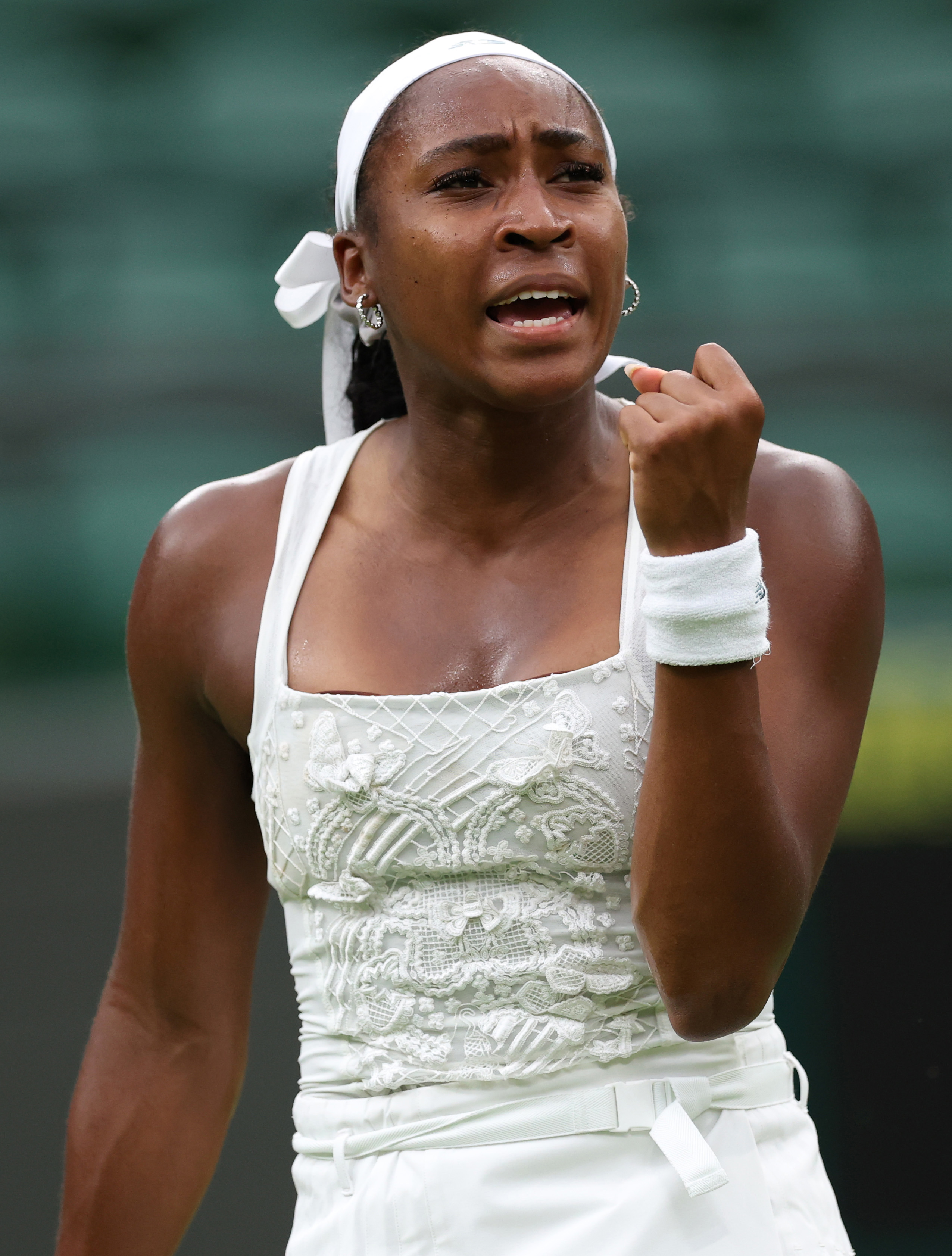
Among those voicing their concerns are top-ranked players such as Aryna Sabalenka and Coco Gauff. Earlier this month, these athletes and others threatened to boycott the grand slams if their demands for increased compensation are not met. The issue has sparked a broader conversation about the fairness of prize money distribution across different tournaments.
Media Day Restrictions
As the French Open approaches, many players have announced plans to limit their interactions with the media during the traditional pre-tournament media day on Friday. L’Equipe newspaper reported that players will restrict their conversations with reporters to just 15 minutes. This move is seen as a symbolic protest against the perceived unfairness of the current prize money structure.
The French Tennis Federation (FFT), which organises the French Open, has expressed regret over the players’ initiative, stating that it negatively impacts all stakeholders involved in the tournament, including the media, broadcasters, federation staff, and the wider tennis community.
Player Demands and Financial Discrepancies
Sabalenka and fellow No.1 Jannik Sinner were among the leading players who issued a statement earlier this month expressing “deep disappointment” over the French Open prize money. The players are not only seeking better compensation but also advocating for improved representation, health options, and pensions from the four grand slam tournaments: the Australian Open, French Open, Wimbledon, and US Open.
Despite the FFT’s announcement last month that the overall prize money would increase by about 10 per cent, reaching 61.7 million euros ($100 million), players argue that the underlying figures tell a different story. They claim that their share of the tournament revenues has actually decreased, despite a significant rise in overall revenue.
According to the players, the French Open generated 395 million euros ($642m) in 2025, a 14 per cent year-on-year increase. However, prize money only rose by 5.4 per cent, resulting in a reduced share of revenue for players. The players project that their share will drop further to 14.3 per cent in 2026.
Comparison with Other Tournaments
The players argue that the French Open’s prize money distribution is far below that of other major events. For instance, the Australian Open increased players’ compensation by 16 per cent this year, while the US Open saw a 20 per cent increase in prize money last year.
The singles champions at Roland-Garros will each receive 2.8 million euros ($4.55m), an increase of 250,000 euros compared to 2025. However, players feel that this amount is still insufficient given the tournament’s substantial revenue.
FFT’s Response
The FFT has stated its commitment to maintaining an open dialogue with players and their representatives. It proposed a meeting expected to take place on Friday, aiming to address governance issues and explore ways to give players a greater role in decision-making. The federation also highlighted its efforts to improve players’ social protection and evolve the distribution of value.
“The FFT is ready for direct and constructive discussions on governance issues,” the statement said. “It aims to contribute to players’ social protection and evolving the distribution of value.”
The FFT also pointed out that the French Open offers players exceptional exposure, which can lead to indirect income through sponsorships, partnerships, exhibitions, and appearance fees. This year, the federation has also chosen to direct a significant portion of the prize money increases toward players eliminated in the early rounds of the main draw and qualifying rounds, with increases of more than 11 per cent to support those who rely heavily on tournament earnings.