The Haval H9’s Fate in Australia
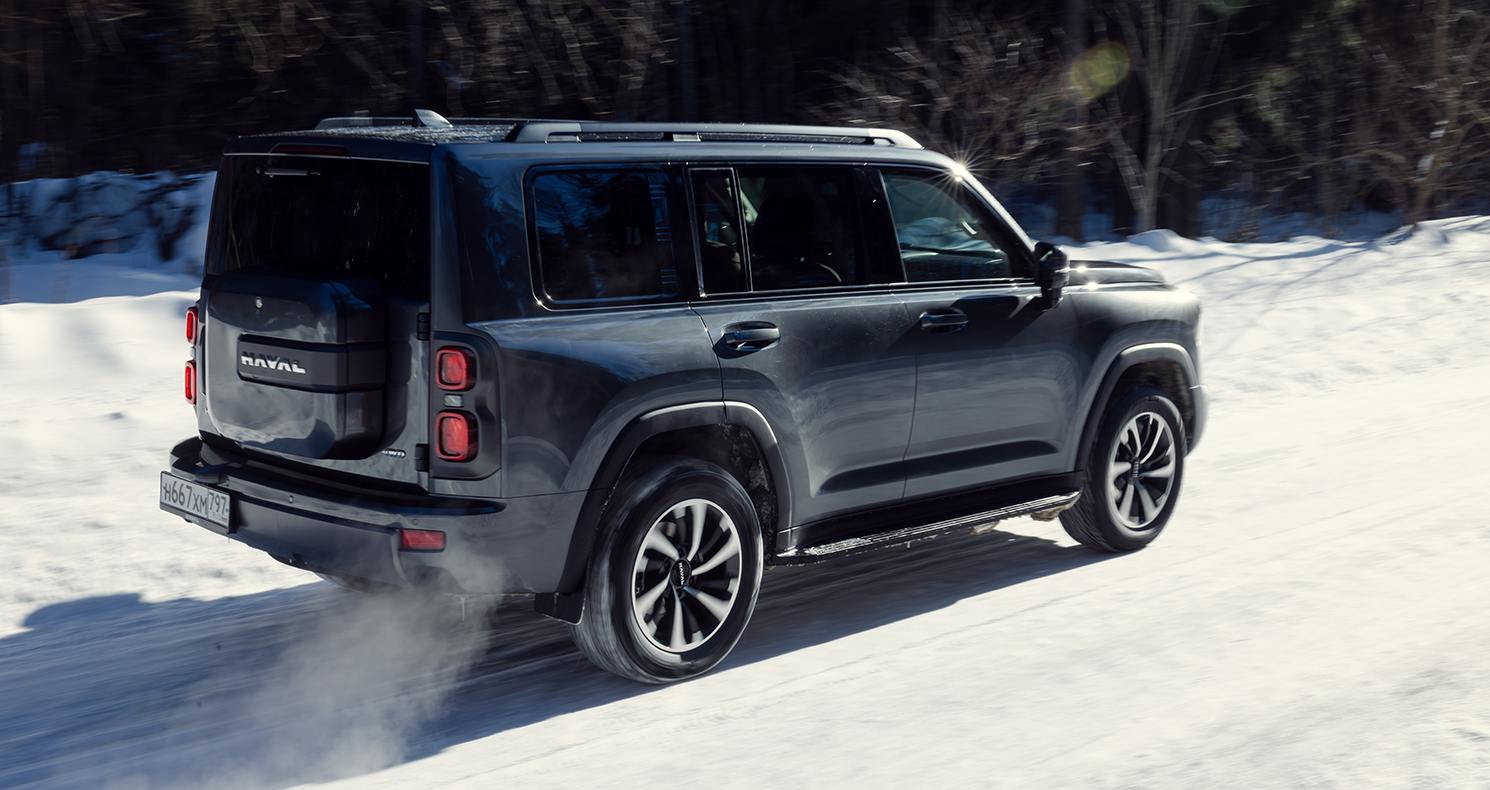
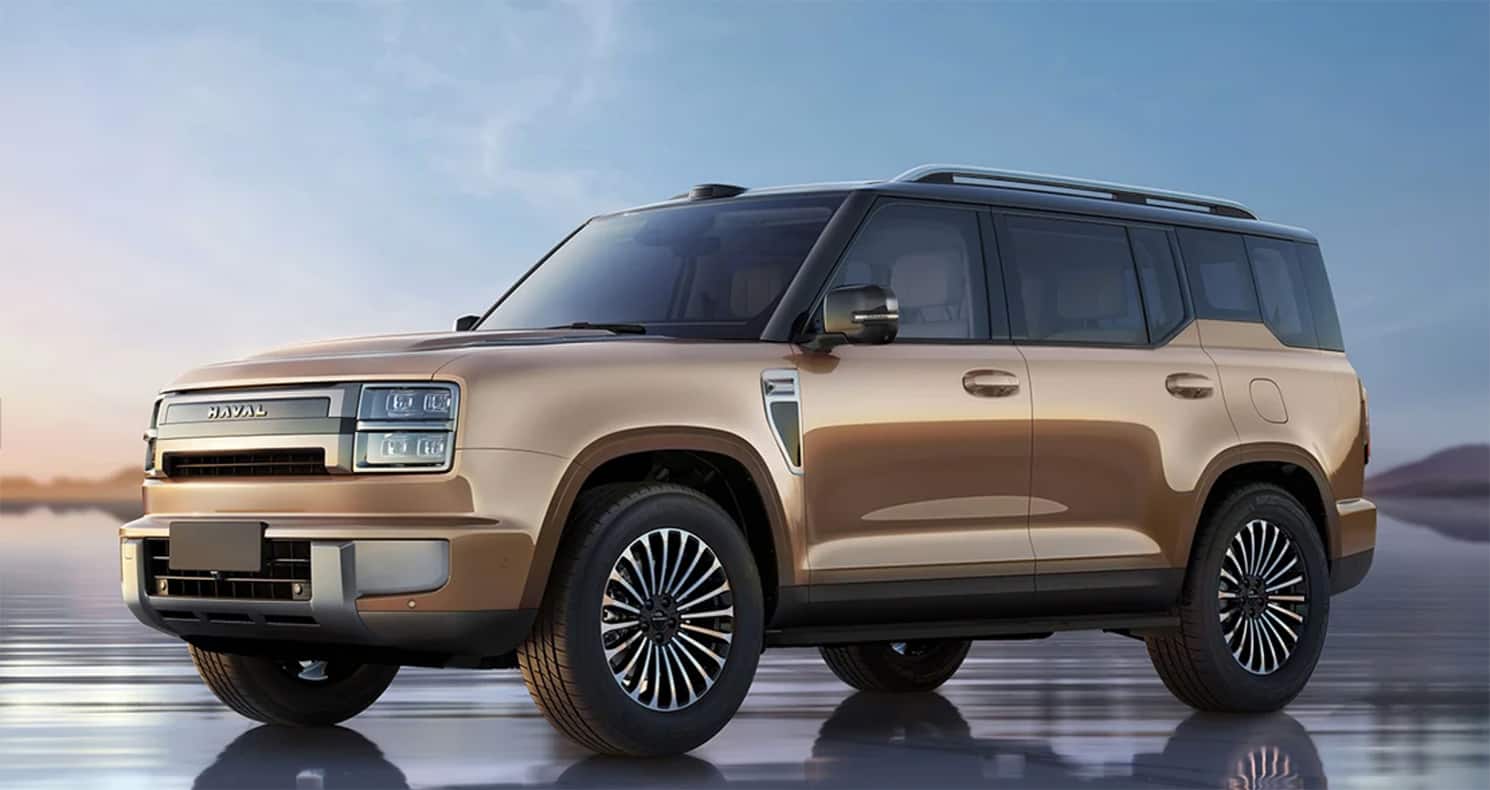
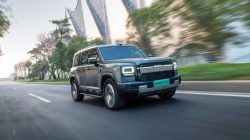
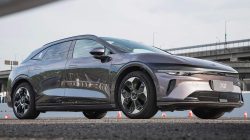
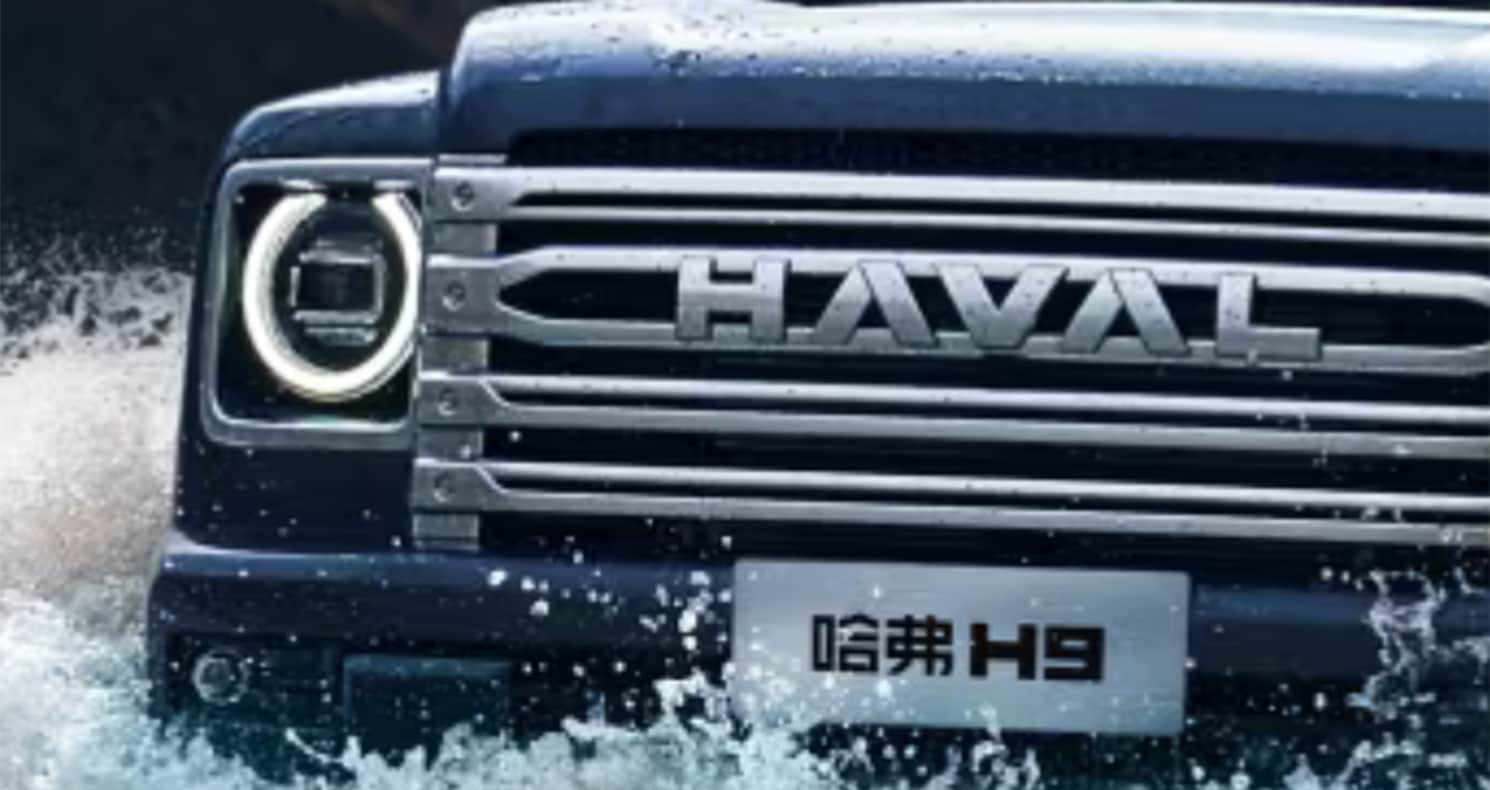
The Toyota Prado-esque Haval H9 is not expected to make its way into the Australian market. This 4WD, which was anticipated to be a hit for GWM, appears to have been excluded from the local market. Originally planned for release this year, the H9 has instead been replaced by two new seven-seater hybrid SUVs, the H7 Plus and H10. Although these models are not officially confirmed yet, they represent a shift in GWM’s strategy.
A New Direction for GWM in Australia
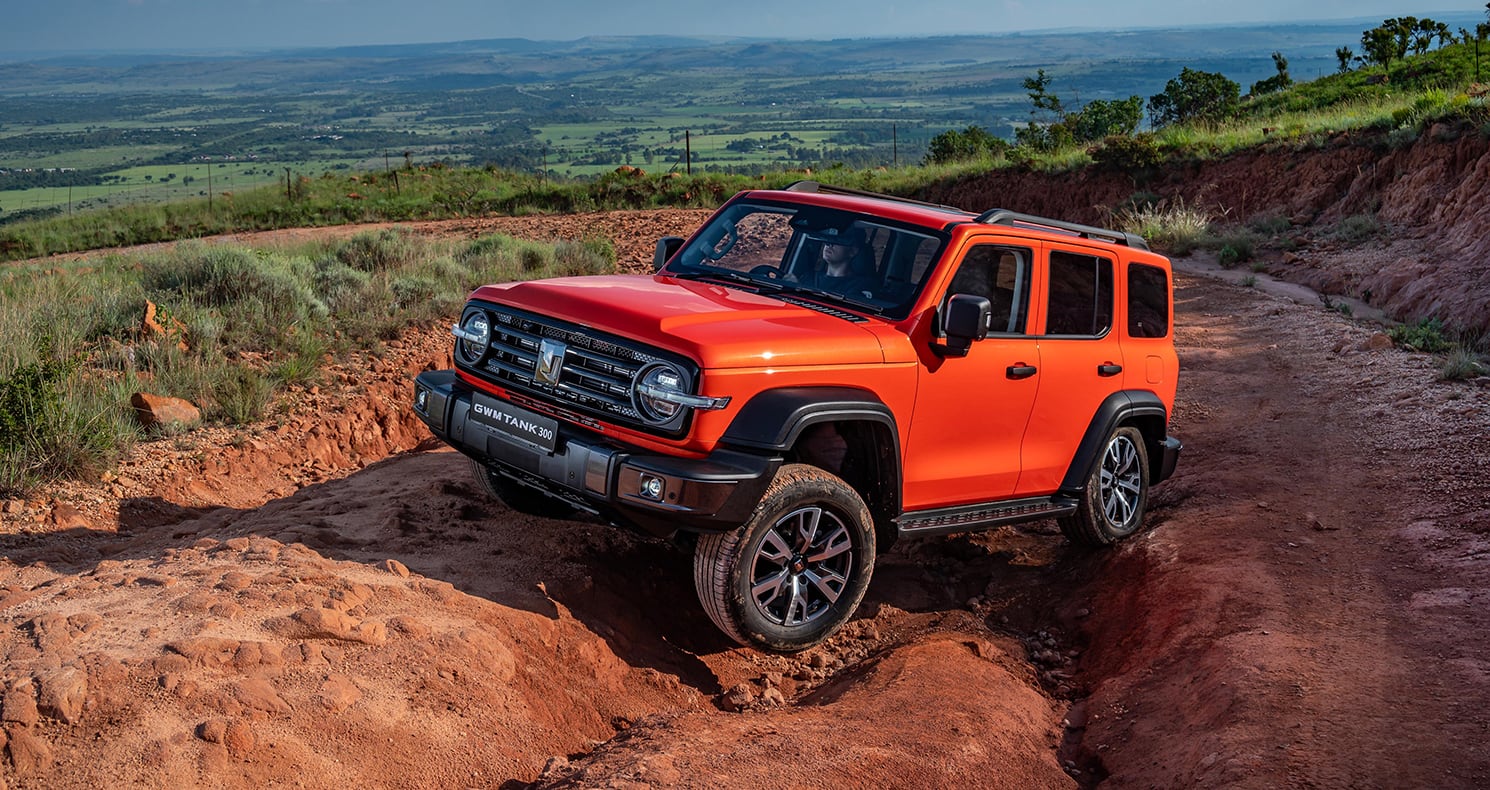
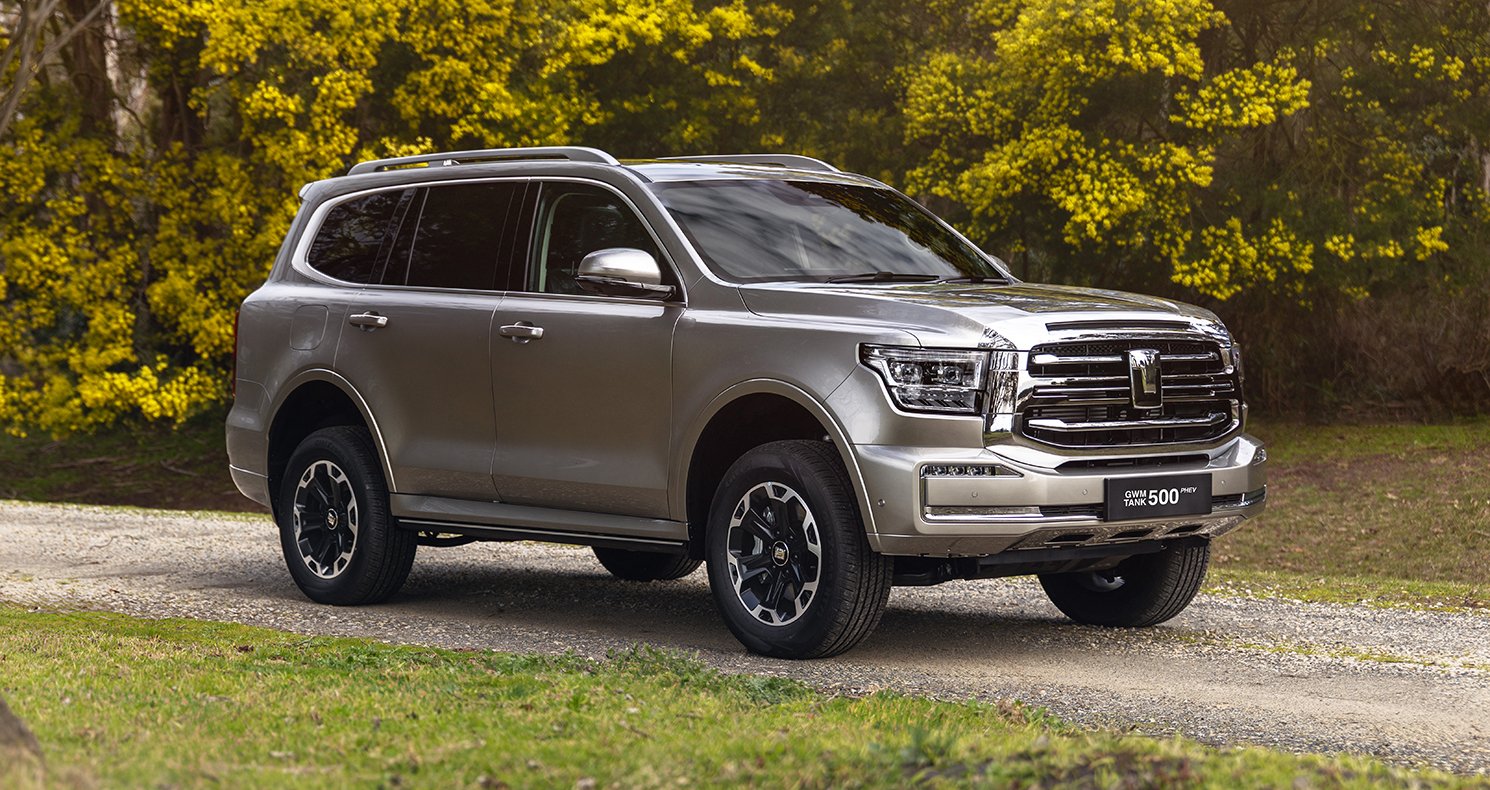
The H9, which looks like a rugged and ready alternative to the Toyota Prado, shares its chassis and some mechanical components with GWM’s Tank brand, which includes the Tank 500 that has been sold in Australia since 2024. The success of the Tank brand has created a challenge for GWM, as the Haval brand is positioned as a value-for-money SUV proposition rather than an off-road vehicle. This means that the Tank-like H9 does not align with the rest of the Haval range, potentially confusing buyers who are still adjusting to GWM’s growing number of sub-brands.
Challenges of Model Complexity
The shared parts and similar designs between the Tank and Haval brands raise concerns about sales cannibalisation. This issue, combined with the added complexity of managing multiple models, is a significant consideration for GWM’s Australian product planners. Additionally, the recent facelift of the H9 in China has made it look similar to the H7 Plus, which now features the company’s Hi4 PHEV technology. This model is scheduled to arrive in Australia before the end of the year, directly competing in the family-car market.
Strategic Shift to Hybrid SUVs
GWM is focusing on hybrid SUVs to meet the New Vehicle Efficiency Standard (NVES) requirements. The H10, which is set to arrive in early 2028, is a monocoque five-metre flagship SUV with three rows of seating. It will initially be available with GWM’s four-cylinder turbo-petrol PHEV powertrains, with other variants expected in the future.
Insights from GWM Representatives
Justin Stefani, GWM Australia Public Relations Manager, mentioned that choosing the H10 over the H9 makes more sense. He stated, “If we don’t bring in the H9, there’s potential for bringing H10 in.” This decision reflects a strategic move to focus on models that align better with GWM’s overall brand positioning.
Steve Maciver, GWM Australia Marketing Manager, acknowledged the potential confusion of offering a Tank-like Haval. He emphasized the importance of defining each brand’s role within GWM’s master brand position. “It’s about bringing personality, purpose and a role to each of those brands,” he said.
Conclusion
GWM’s decision to exclude the H9 from the Australian market highlights the challenges of balancing brand identity and product offerings. By focusing on hybrid SUVs like the H10, GWM aims to meet regulatory standards while expanding its market reach. This strategic shift underscores the importance of clear brand positioning in a competitive automotive landscape.