Australia’s Prime Minister has expressed support for the potential return of car manufacturing within the country. Prime Minister Anthony Albanese highlighted that there is “no reason why we can’t make electric vehicles,” as reported by the Herald Sun.
“At the very least, we can make parts and components, including batteries here,” he stated. This sentiment reflects a growing interest in revitalizing Australia’s automotive sector, which has seen significant changes over the past decade.
Several companies are already exploring opportunities to manufacture components locally. The decline of major automotive brands such as Ford, Holden, and Toyota in Australia has been attributed to the previous Liberal government’s decision to cut subsidies that supported these industries. This move led to the closure of several factories, resulting in the loss of iconic Australian brands like Holden.
Mr Albanese expressed his disappointment at the absence of Holden cars, emphasizing the importance of preserving local manufacturing heritage.
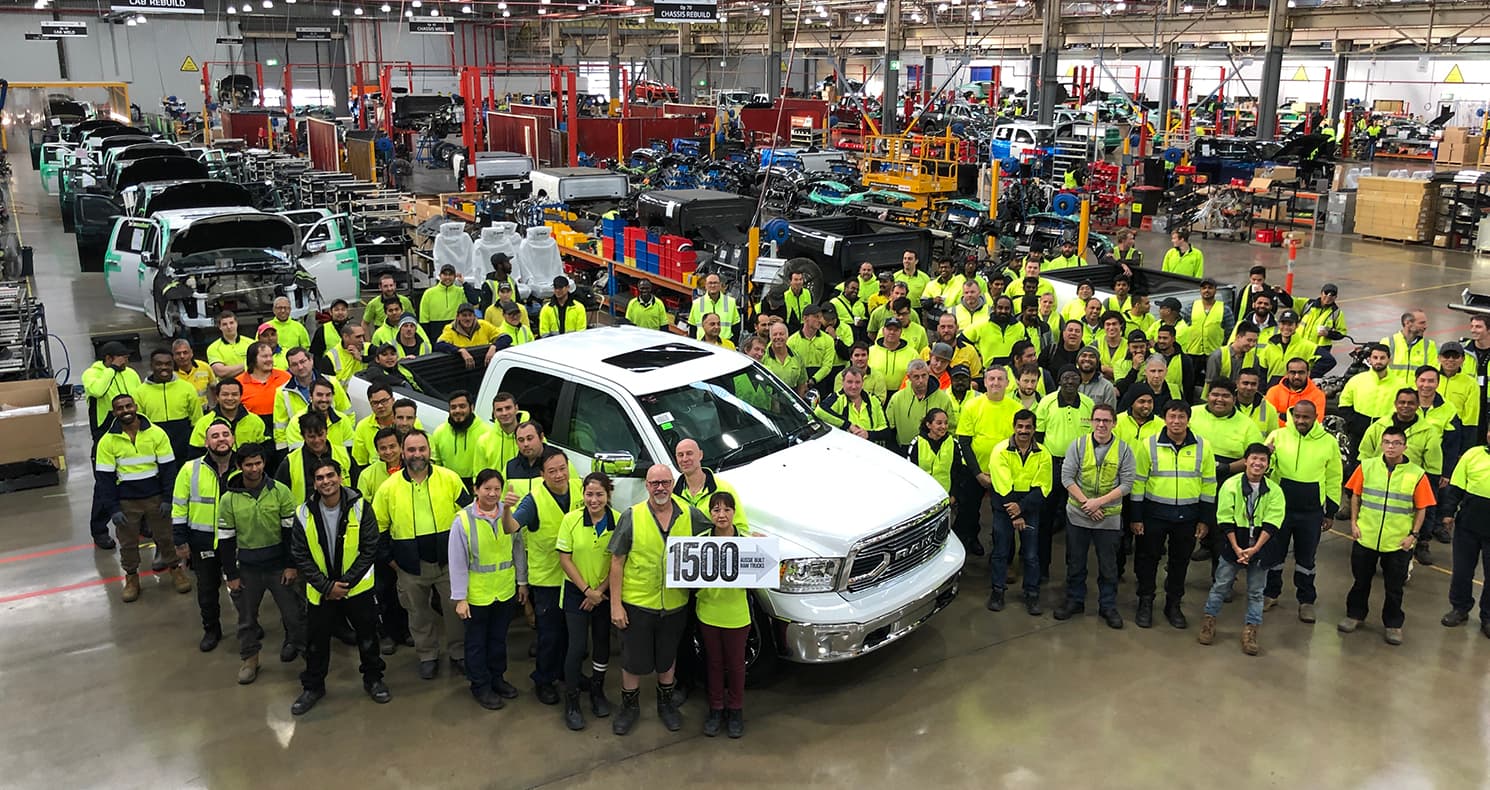
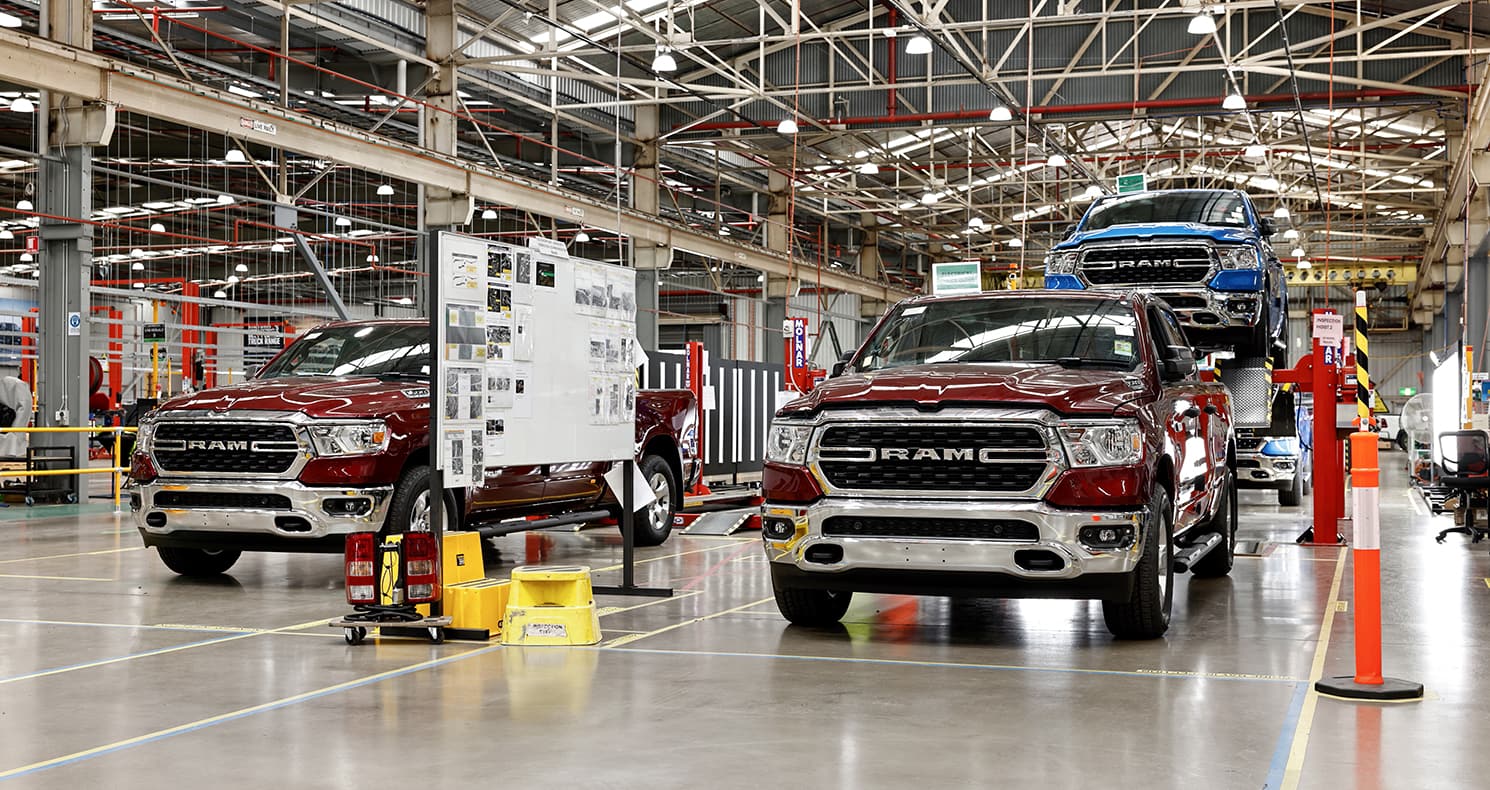
Despite the challenges, remnants of Australia’s car industry continue to operate. One notable example is Walkinshaw, which previously produced high-performance Holdens. The company has since expanded its operations, focusing on remanufacturing large US pick-up trucks such as the Ram 1500, Toyota Tundra, and Chevrolet Silverado in southeast Melbourne.
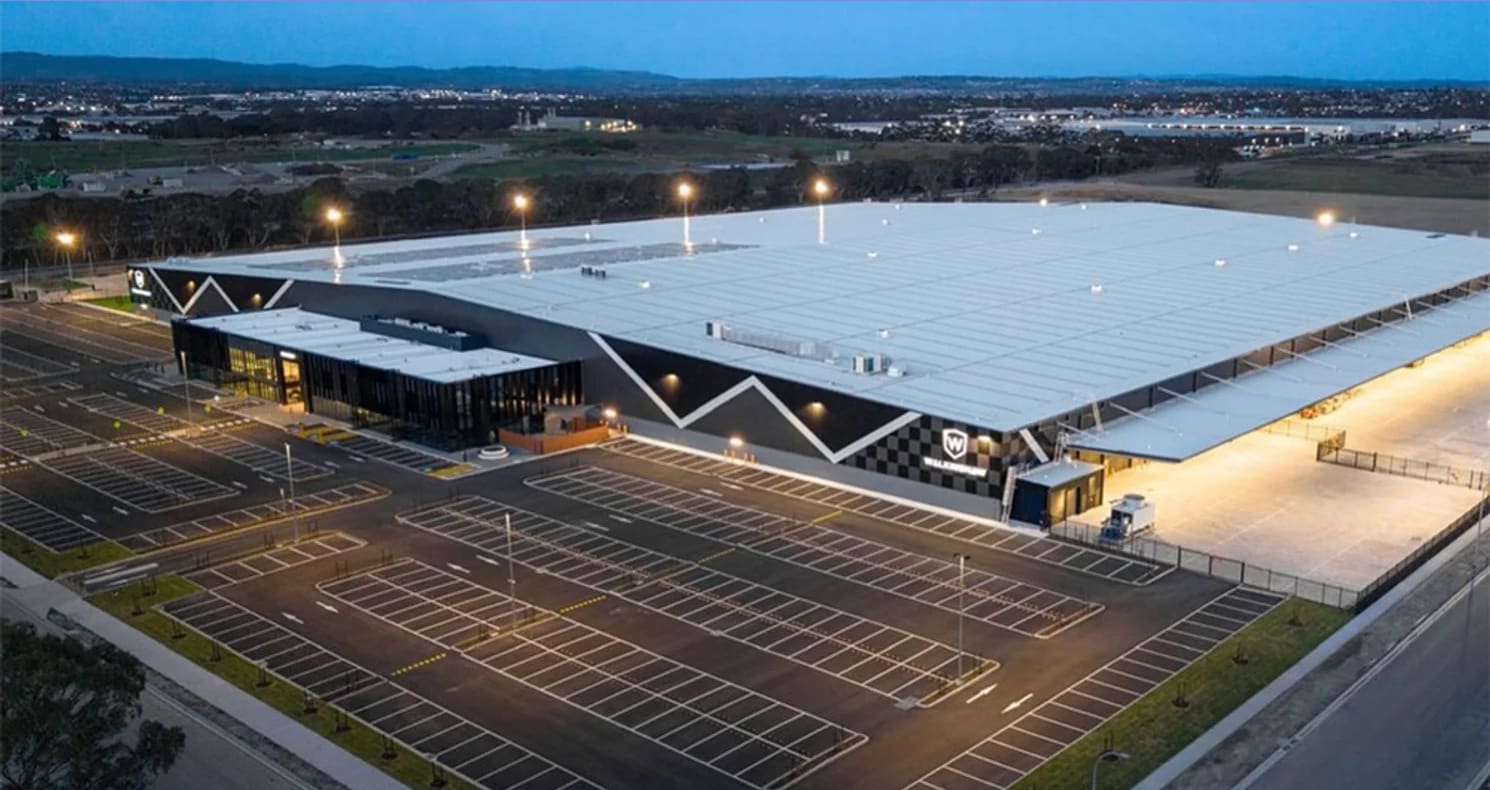
The remanufacturing process involves converting vehicles from left-hand drive to right-hand drive, a complex procedure that requires specialized expertise. In 2023, Walkinshaw opened a new 100,000 square-metre facility, which is expected to accommodate up to 1,500 employees and produce more than 20,000 vehicles annually.
“It’s one of the top-five largest manufacturing facilities in all of Australia, home to the most advanced engineering centre in the country, six-plus production lines and our Supercars championship racing team Walkinshaw Andretti United,” said Ryan Walkinshaw, the head of the Walkinshaw Group.
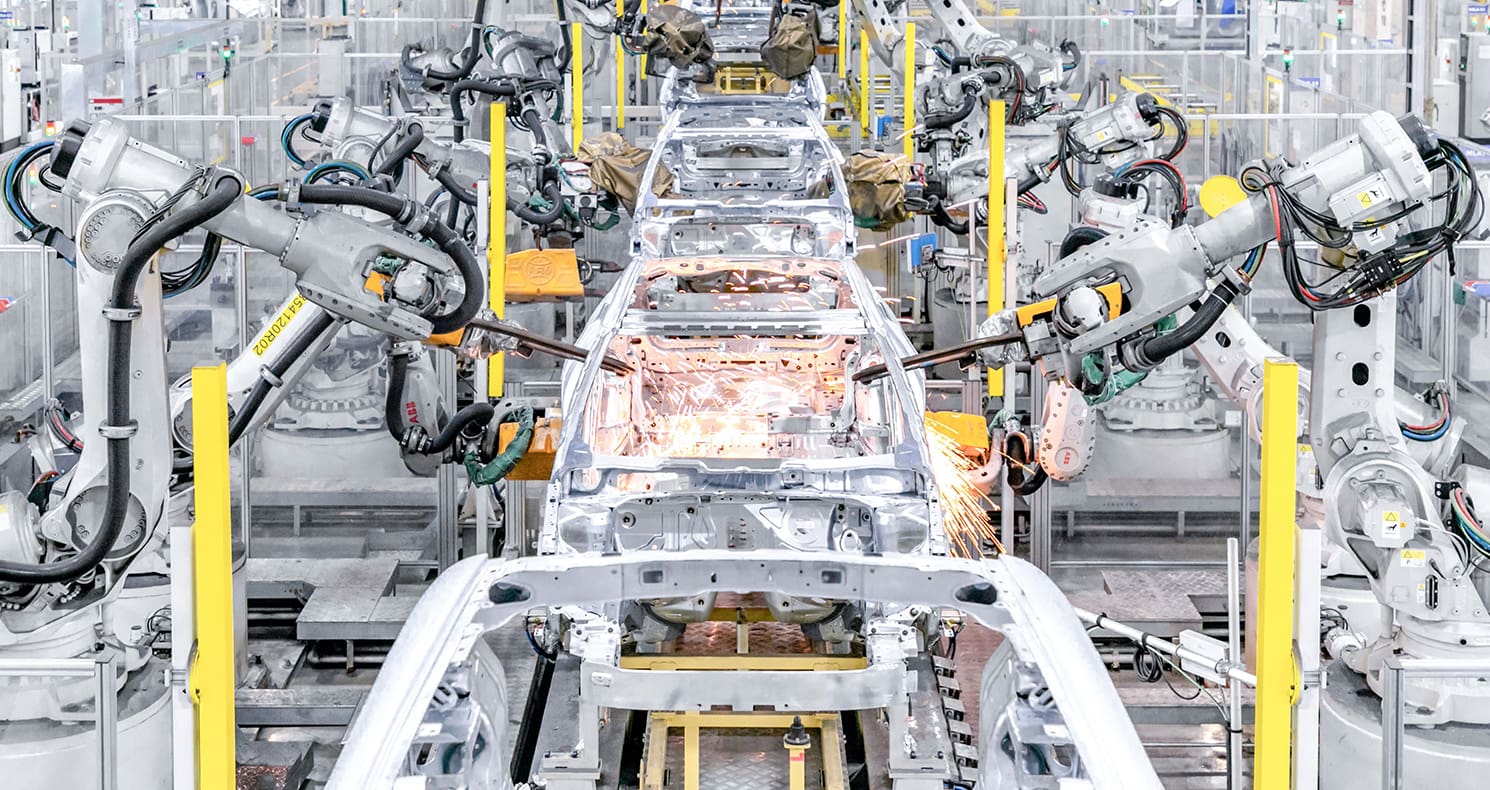
Another key player in Australia’s automotive landscape is Nissan, which continues to operate a casting plant in Victoria. This facility has been in operation for 44 years and produces 1.2 million die-case aluminium parts and towbars annually for both local and export markets. It also supplies components for Nissan’s e-Power hybrid vehicles and electric vehicles.
Nissan Oceania Managing Director Steve Milette emphasized the significance of the South Dandenong plant, stating, “Innovation doesn’t just happen overseas — the Nissan Casting Australia Plant demonstrates the depth of manufacturing expertise, skill and capability we have right here in Australia.”
While the prospect of Australia becoming a major vehicle manufacturer again seems unlikely due to factors such as high labor costs, vast distances for transportation, and the expense of importing necessary supplies, there is still potential for growth in specific areas of the industry. The focus is likely to remain on producing parts and components rather than full-scale vehicle manufacturing.
This shift highlights the evolving nature of Australia’s automotive sector, where innovation and specialization may play a crucial role in sustaining local manufacturing capabilities. As the industry adapts to new challenges and opportunities, the legacy of Australian car manufacturing continues to influence the future of the sector.