The Evolution of Beauty in Art and the Impact of Modern Weight Loss Treatments
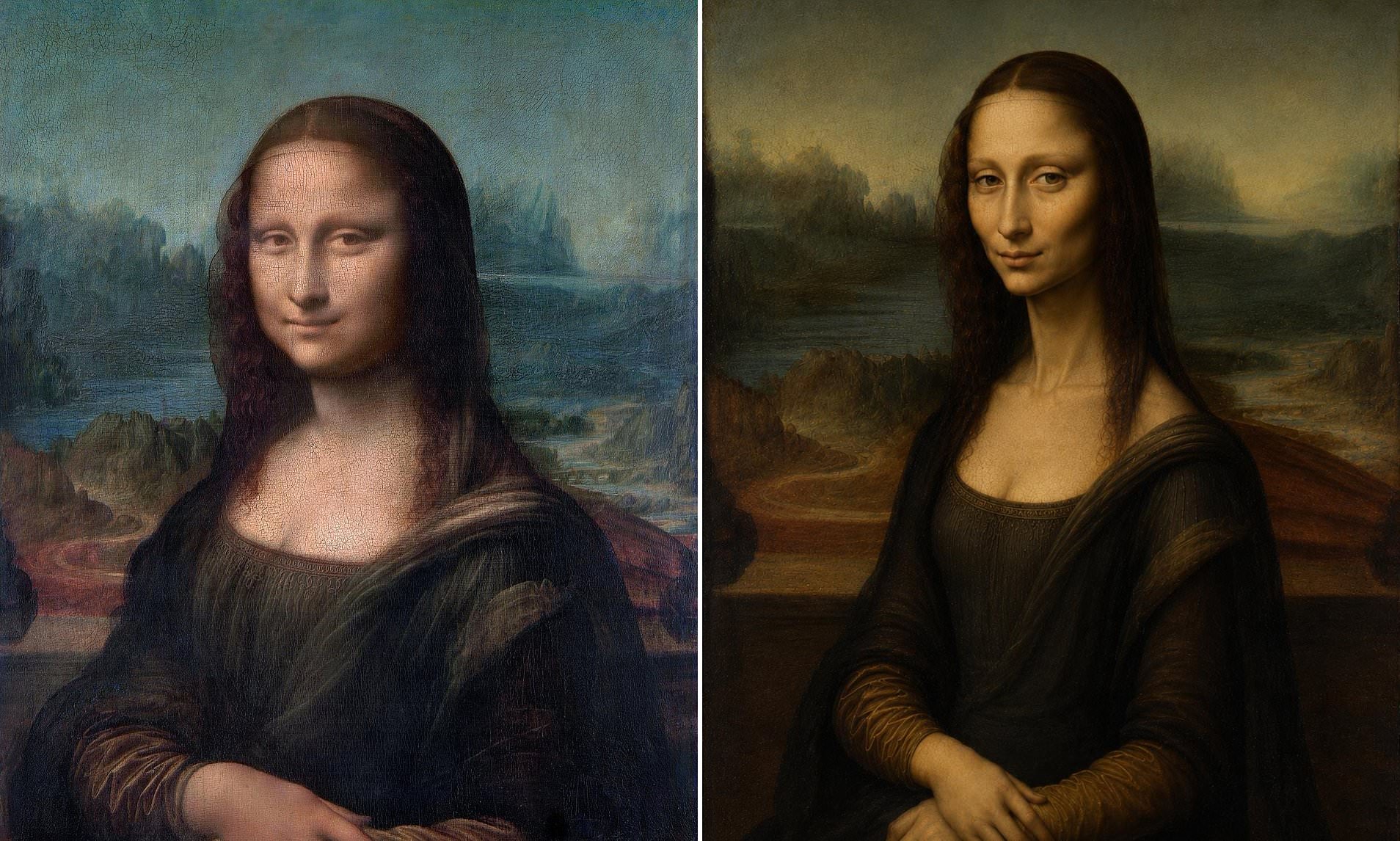
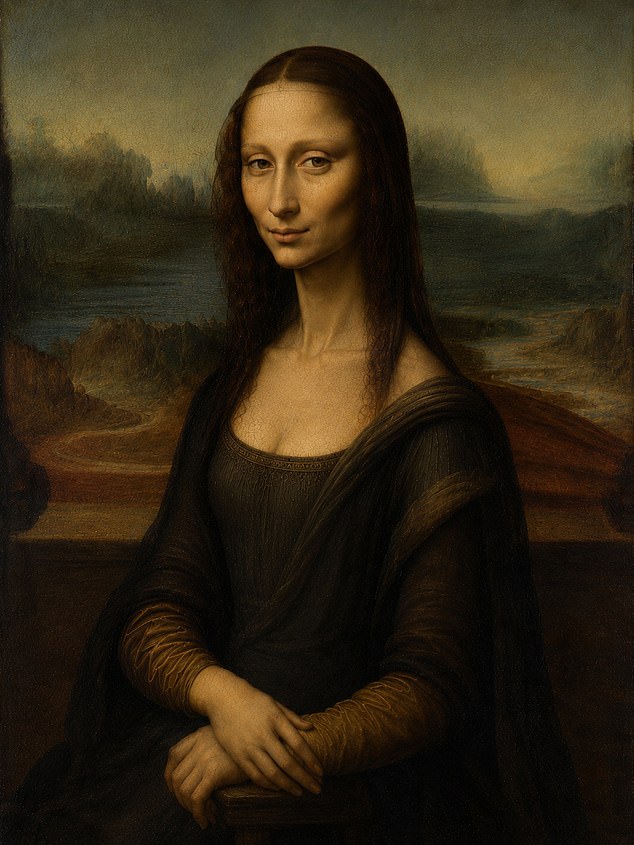
The portrayal of women in art has always reflected societal ideals of beauty, and these ideals are constantly evolving. According to Dr. Michael Yafi, a children’s medic at the University of Texas Houston, future masterpieces may depict women as “gaunt and tired” due to the rising popularity of weight loss jabs. This shift contrasts sharply with historical depictions, such as that of the Mona Lisa, which is believed to represent a woman who was “fat and unhealthy.”
Dr. Yafi pointed out that in the past, obesity was often associated with beauty and status. Many artists from the 16th century onwards depicted female models with bulging waistlines and ample curves, suggesting that a higher body mass index (BMI) was once considered attractive. He noted that strong men, leaders, and religious figures were also often portrayed with higher BMIs, indicating that being overweight was not always seen as negative.
The Mona Lisa: A Case Study in Historical Beauty Standards
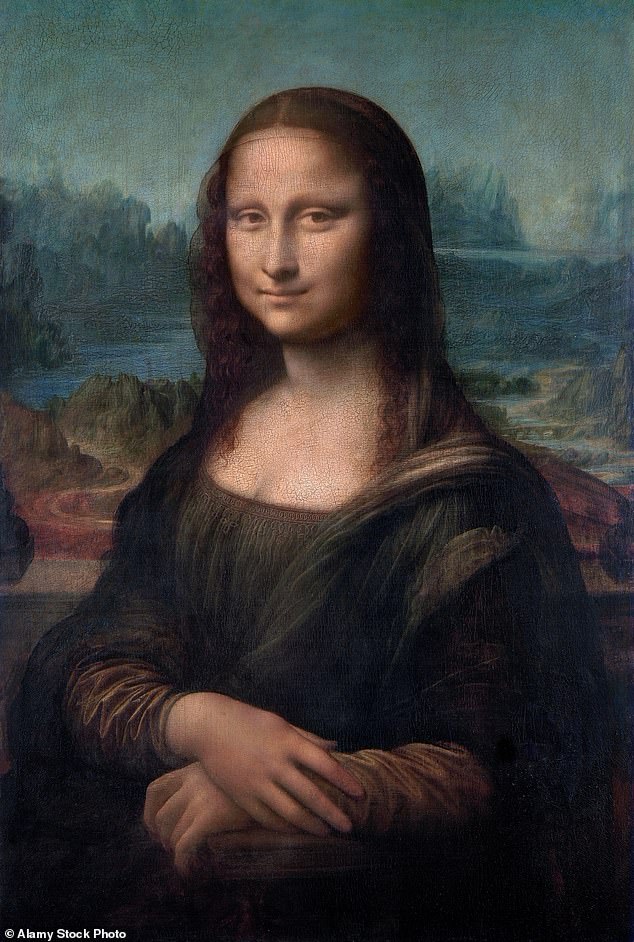
One of the most famous paintings in the world, the Mona Lisa, is often cited as an example of this historical trend. Painted by Leonardo da Vinci in the early 1500s, the portrait is believed to depict Lisa del Giocondo, an Italian woman known for her beauty. Dr. Yafi suggested that Lisa may have had excessive body fat, possibly due to high cholesterol or an underactive thyroid. However, he also considered other explanations, such as weight gain during pregnancy, as she had four children by the time the painting was completed.
Despite the lack of definitive medical evidence, many researchers have attempted to diagnose Lisa based on her features. Some theories suggest she may have suffered from severe hypothyroidism, while others believe she simply gained weight during pregnancy. Dr. Yafi emphasized that these interpretations are speculative, but they highlight the ongoing fascination with the painting’s subject.
The Influence of Medical Conditions on Historical Portraits
Dr. Yafi also discussed how certain medical conditions may have influenced the appearance of historical figures. For instance, he mentioned that musical composers like Bach and Handel were often depicted as fat, and it is possible they suffered from type 2 diabetes, which could explain their declining vision. Similarly, angels and cherubs in religious art were frequently shown as overweight, reinforcing the idea that a fuller figure was once seen as desirable.
The Future of Art: A Shift Towards Thinness?
With the rise of GLP-1 weight loss treatments such as Wegovy and Mounjaro, Dr. Yafi predicts that future art will reflect a different standard of beauty. These drugs can cause rapid fat loss, leading to a gaunt or tired appearance, particularly in areas like the cheeks, temples, and under the eyes. He believes that artists will eventually capture this new aesthetic, much like how Picasso might have done if he were alive today.
This shift raises important questions about the long-term impact of modern weight loss trends on cultural representations of beauty. While thinness is currently celebrated in many societies, Dr. Yafi warns that extreme thinness, such as that seen in anorexic models, is not healthy either.
Conclusion
As society continues to evolve, so too will the way we perceive and portray beauty in art. The influence of medical advancements, such as weight loss jabs, may soon redefine what is considered ideal. Whether this shift will lead to a more balanced view of health and beauty remains to be seen. For now, the Mona Lisa stands as a powerful reminder of how beauty standards have changed over time—and how they may continue to change in the future.