A Growing Concern: Bowel Cancer in Younger Australians
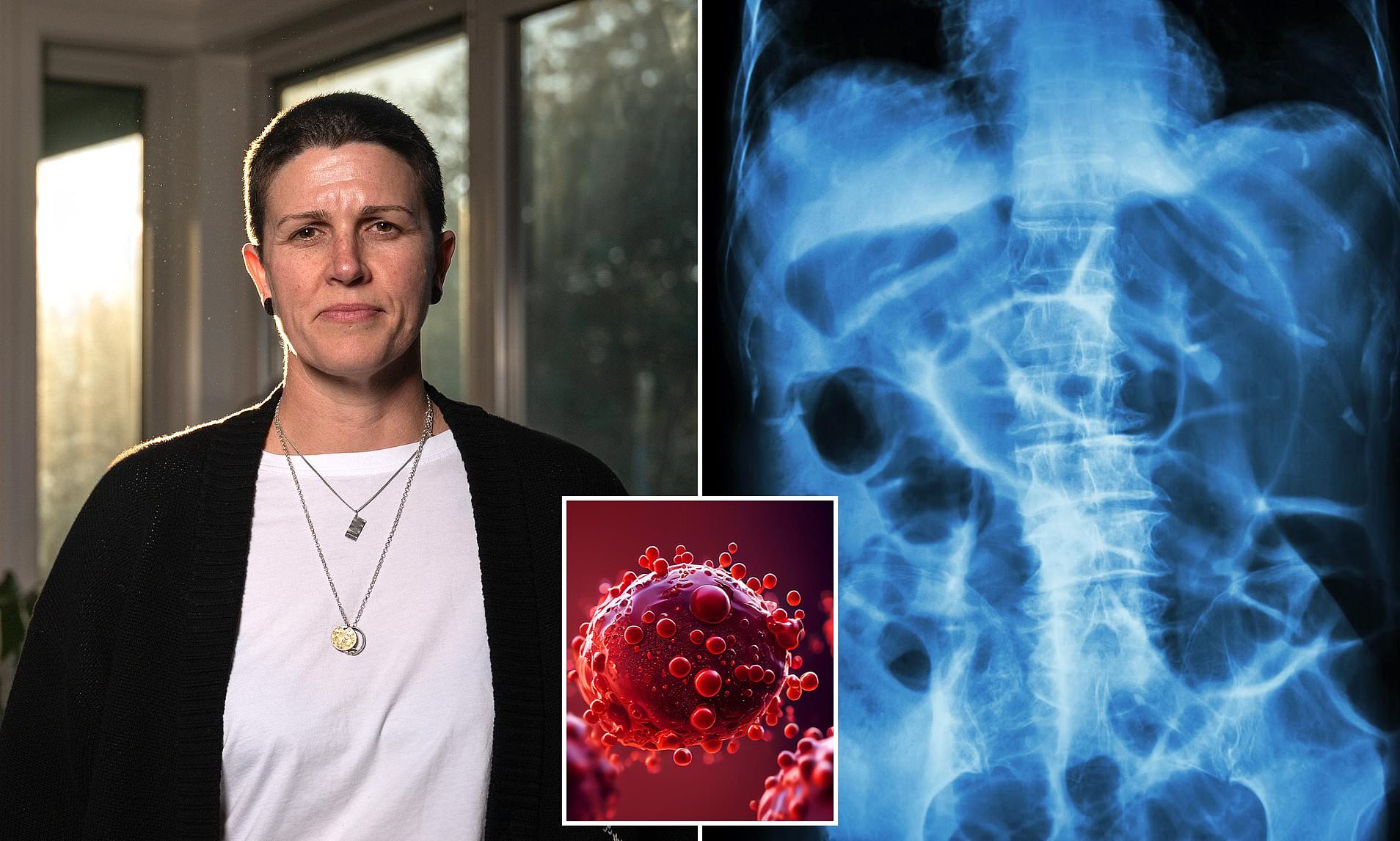
When Ebony Gaylor was diagnosed with bowel cancer at 38, she found it hard to believe that something so serious could happen to her. As a fit and active Melburnian, she initially dismissed the symptoms as something minor, like gluten intolerance or irritable bowel syndrome. She tried various remedies, including increasing exercise, reducing coffee intake, and cutting out bread, but nothing seemed to work.
“I didn’t plan on getting cancer. It’s not that it was an old person’s disease — I just didn’t think it was a ‘me’ disease,” she said.
The diagnosis came as a shock, and the treatment that followed was brutal. Chemo, radiation, colostomy bags, and the removal of part of her bowel, lymph nodes, and rectum left her struggling to manage every aspect of her life. Fertility, finances, relationships, and time with her child were all impacted.
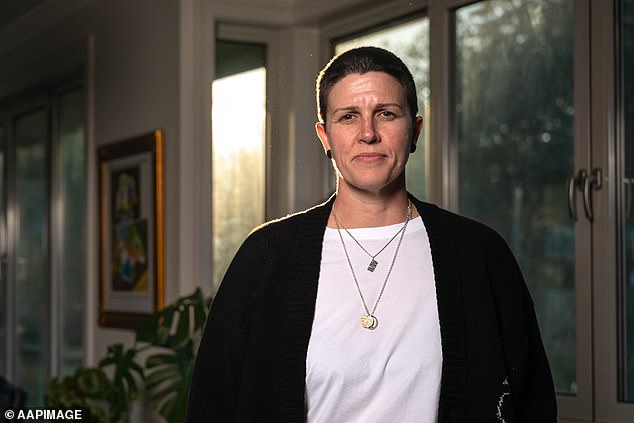
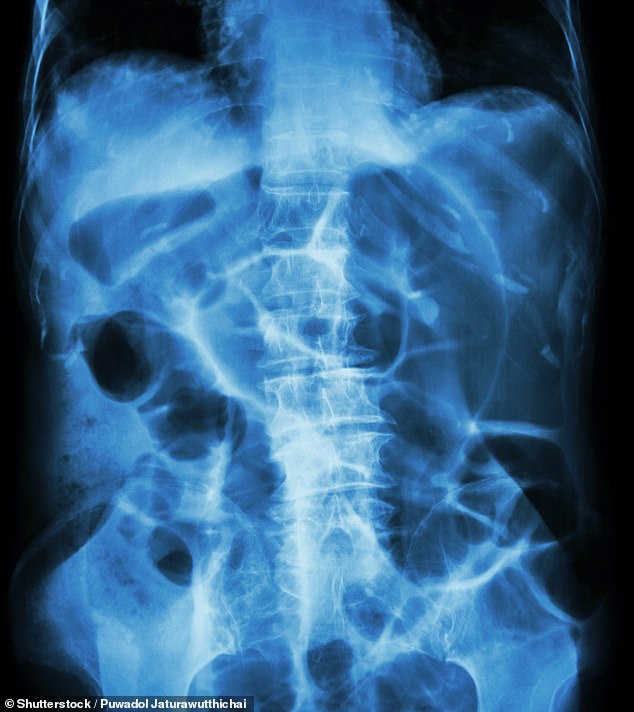
Ms Gaylor is one of many under-50-year-olds being diagnosed with bowel cancer in Australia, where the rates of early-onset cases are among the highest in the world. Over the past two decades, the number of cases among people aged 20 to 29 has more than doubled, while those aged 30 to 39 have tripled.
Experts are still trying to understand what is driving this alarming trend. Possible factors include microplastics, stress, diet, obesity, sedentary lifestyles, and changes in gut health. However, there is no single cause, according to bowel cancer expert Julia Freckelton.
“We still don’t fully understand why bowel cancer is rising so rapidly in younger Australians,” she said.
Current treatment regimes often don’t account for the unique challenges faced by young patients who must balance treatment with work, family, and other responsibilities. Ms Gaylor described feeling like a “square peg in a round hole” during her treatment.

“It’s hard to fit appointments around work meetings, school drop-offs, and other family commitments,” she said.
To address these challenges, Dr Freckelton will lead a trial program called ORBIT, which aims to provide more flexible support for young people. The program includes telehealth services, after-hours appointments, fertility preservation, mental health care, and long-term survivorship planning.
Ms Gaylor emphasized that younger cancer survivors often face decades of physical and emotional impacts from their treatment. “With traditional treatment, you’re deciding if you’re OK to be infertile, if you’re OK to have parts of your insides removed, or if you’re OK with poor bowel function for the rest of your life,” she said.
She added that the intensity of treatment and its long-term effects are not designed for a 38-year-old woman.
A significant increase in funding is needed to support research into the changing demographics of bowel cancer patients and to develop age-appropriate models of care. Despite the challenges, Ms Gaylor has been cancer-free for several years and has moved outside of Melbourne to enjoy a slower-paced, lower-stress lifestyle.
“Cancer really sucks and nobody should get it — but I don’t think it’s hopeless,” she said. “We have so many brilliant clinicians and researchers, particularly here in Australia. We just need to resource them to do the research and clinical trials that are needed.”