The Escalating Ebola Outbreak in Central Africa
The World Health Organization (WHO) has expressed deep concern over the rapid spread of the current Ebola outbreak in central Africa, which has already claimed at least 220 lives. Director-General Tedros Adhanom Ghebreyesus highlighted the urgency of the situation during an online meeting with the African Union on Monday. He emphasized that health workers are “playing catch-up” as the number of suspected cases surpasses 900.
Tedros is set to travel to the Democratic Republic of Congo (DRC) tomorrow, where the outbreak is centered in Ituri province. This region has experienced more than a dozen Ebola outbreaks over the years, making it a critical area for containment efforts.
Challenges in Containing the Outbreak
Despite the WHO’s efforts to scale up operations, the epidemic is outpacing these initiatives. Health experts have pointed to international aid cuts from the US and other wealthy nations last year as a major factor in the challenges faced in eastern Congo. These reductions have had a devastating impact on the region, which already struggles with unique issues such as ongoing armed conflict and limited healthcare infrastructure.
The response to the outbreak has been further complicated by fear, anger, and frustration among local communities. There have been instances of attacks on treatment centers, as well as widespread distrust of authorities. This distrust is compounded by the region’s long history of violence and instability.
Lack of Essential Supplies
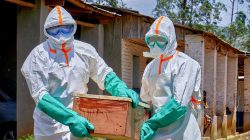
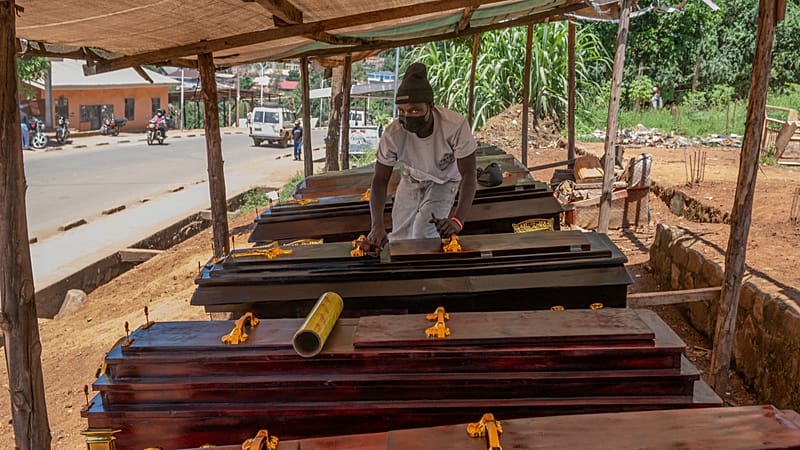
Aid groups involved in combating the outbreak have also reported significant shortages of essential supplies. These include face shields, protective suits, testing kits, and body bags needed for safe burials of victims. The latter is particularly crucial, as the bodies of those who have died from Ebola can be highly contagious.
In Uganda, health authorities confirmed the first local infections linked to the outbreak. A driver and a health worker were exposed to a Congolese patient who died on May 11. Two additional health workers at a private hospital in Kampala have since tested positive for the virus, according to the Ministry of Health.
The Nature of the Outbreak
The Bundibugyo type of Ebola virus is responsible for the current outbreak. Unlike some other strains, this variant does not have an approved vaccine or treatment. As a result, the outbreak has been declared a global health emergency, highlighting the need for urgent and coordinated international action.
Key Strategies for Containment
One of the most effective strategies for stopping the spread of Ebola is tracing and isolating contacts of infected individuals. This process involves identifying people who may have come into contact with the virus and monitoring them for symptoms. Early detection and isolation are crucial in preventing further transmission.
Ebola typically manifests as hemorrhagic fever, which can lead to severe internal and external bleeding. The disease is highly infectious and requires strict containment measures to prevent it from spreading to new areas.
Conclusion
The current Ebola outbreak in central Africa presents a complex and urgent public health challenge. The combination of limited resources, community distrust, and the lack of approved treatments makes containment efforts particularly difficult. International cooperation and sustained support will be essential in addressing this crisis and preventing further loss of life.