The Significance of Eid al-Adha
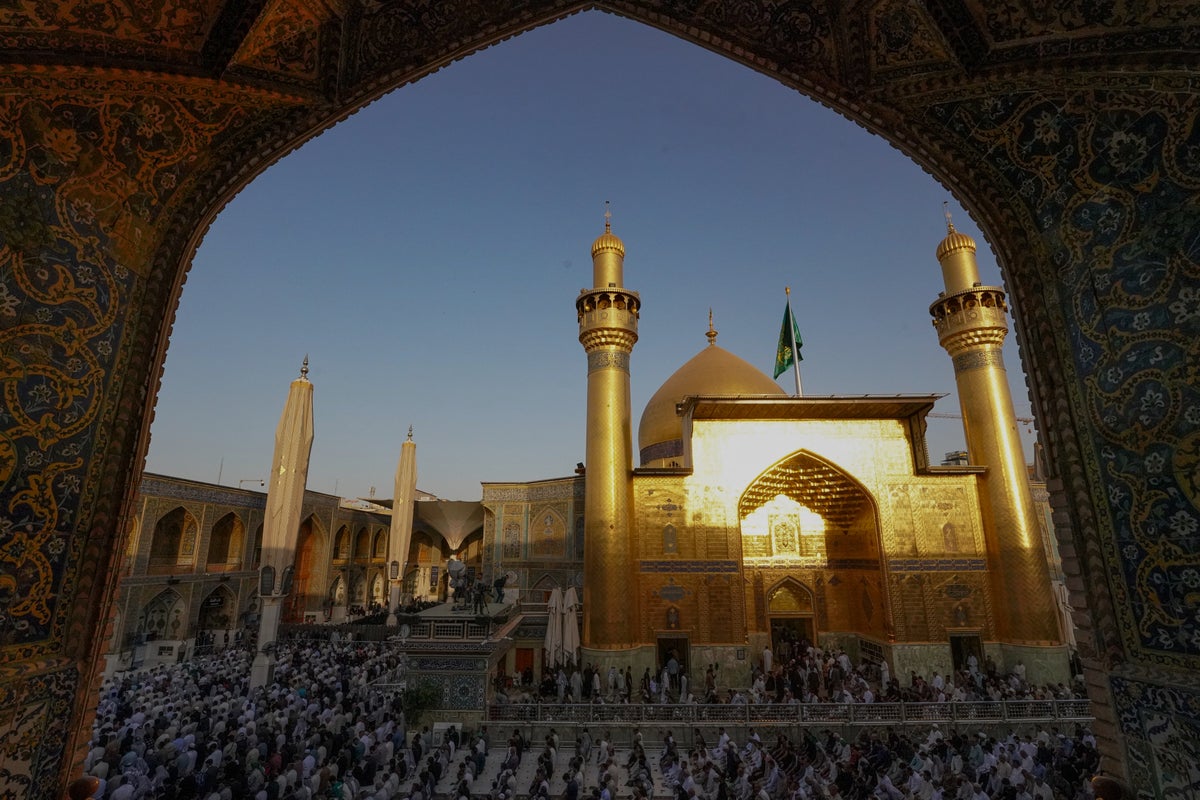
Muslims around the world celebrated Eid al-Adha, also known as Eid-ul-Zuha, on Wednesday. This festival is a time to remember the devotion of Prophet Ibrahim and his unwavering faith in God. It is one of the most important religious celebrations in the Islamic calendar.
Two Major Festivals in Islam
Muslims observe two major festivals each year: Eid-ul-Fitr and Eid al-Adha. Eid-ul-Fitr marks the end of Ramadan, the holy month of fasting, and is celebrated on the first day of Shawwal, the 10th month in the lunar Islamic calendar. Eid al-Adha, on the other hand, is observed on the 10th of Dhu al-Hijjah, the 12th and final month of the Islamic calendar.
The Festival of Sacrifice
Eid al-Adha, often referred to as the “festival of sacrifice,” lasts for two and a half days. It commemorates the story of Prophet Ibrahim, who was willing to sacrifice his son Ismail as an act of obedience to God. According to Islamic tradition, God provided a ram to be sacrificed instead. This festival also marks the conclusion of the annual Hajj pilgrimage to Mecca in Saudi Arabia.
The Tradition of Sacrifice
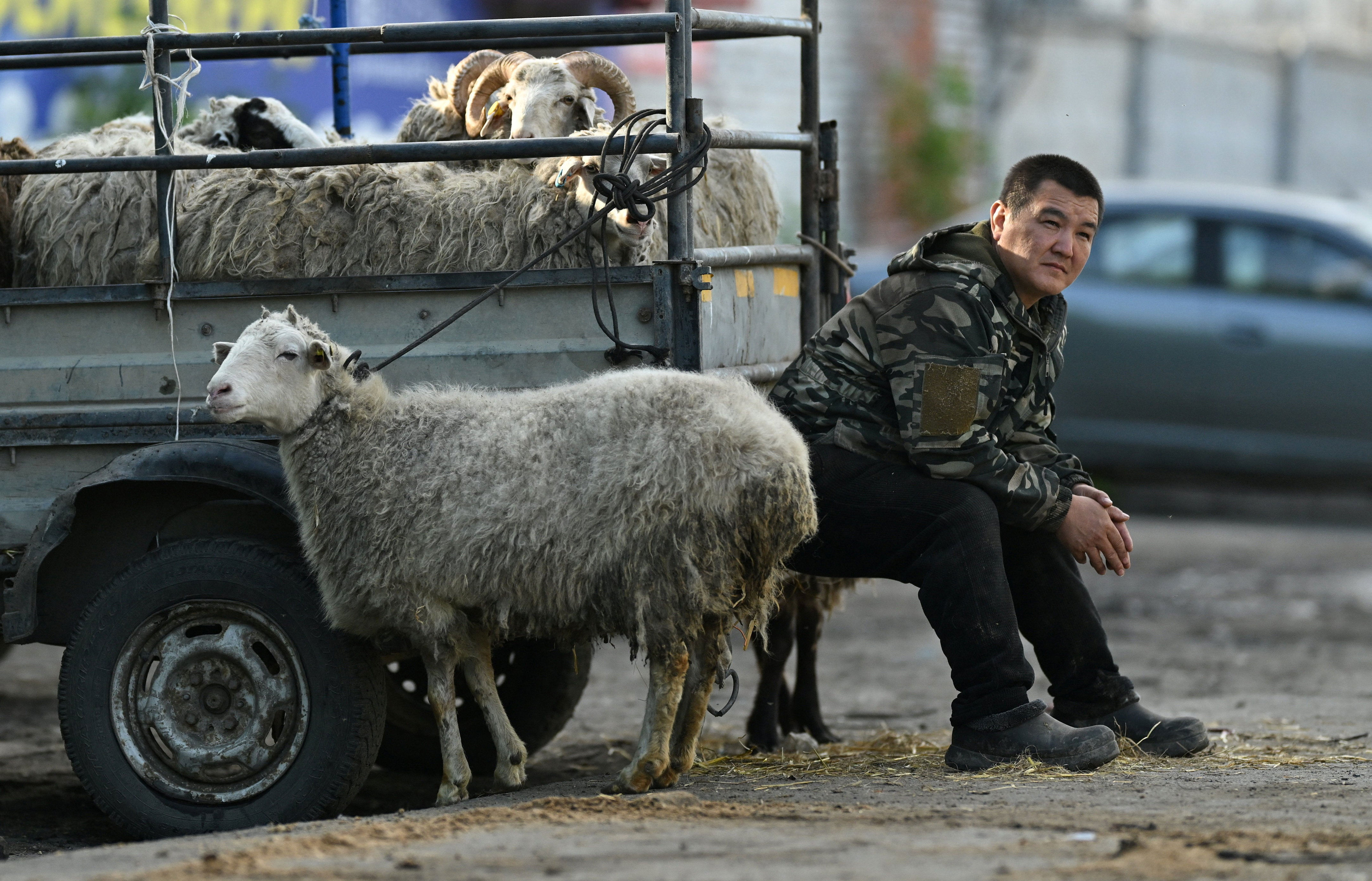
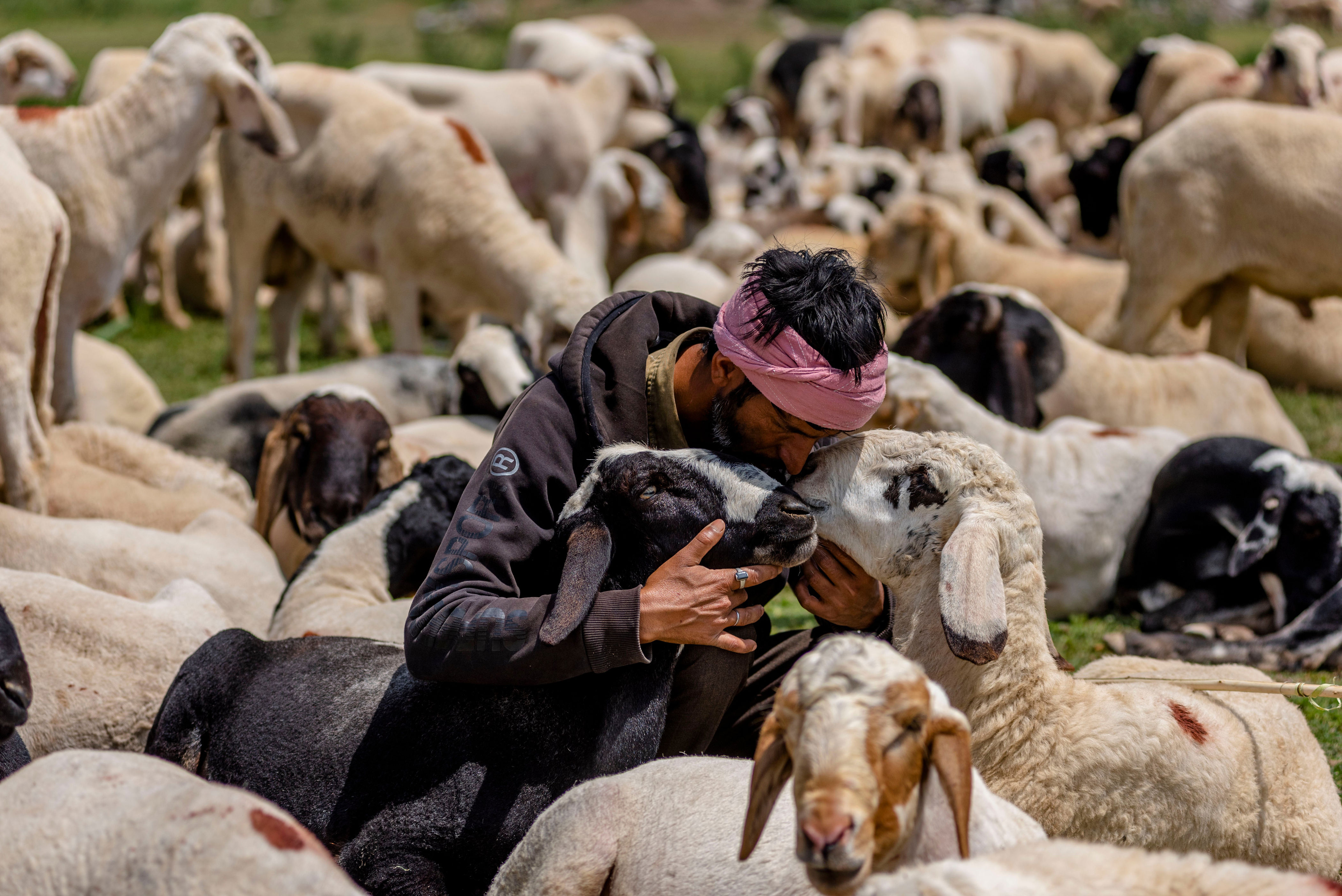
One of the central traditions of Eid al-Adha is the sacrifice of an animal, such as a ram, sheep, goat, cow, or buffalo. The meat from the sacrificed animal is divided into three equal parts: one-third is kept for the family, one-third is shared with relatives and friends, and the remaining third is given to the poor and orphans. This practice is known as Sadaqah, which refers to voluntary charity. It should not be confused with Zakat, which is mandatory under Islam and considered one of the five pillars of the religion.
Prayer and Community
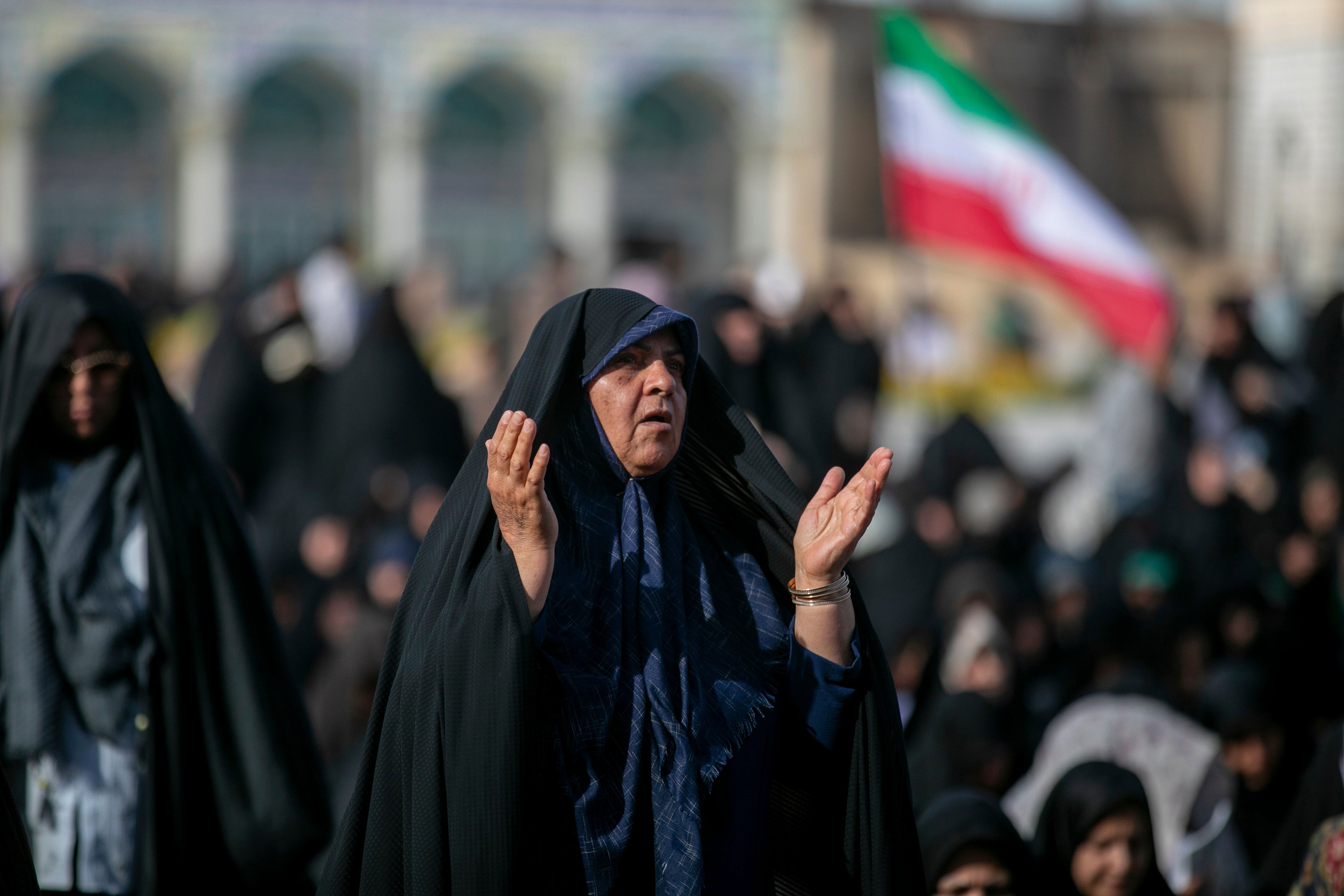
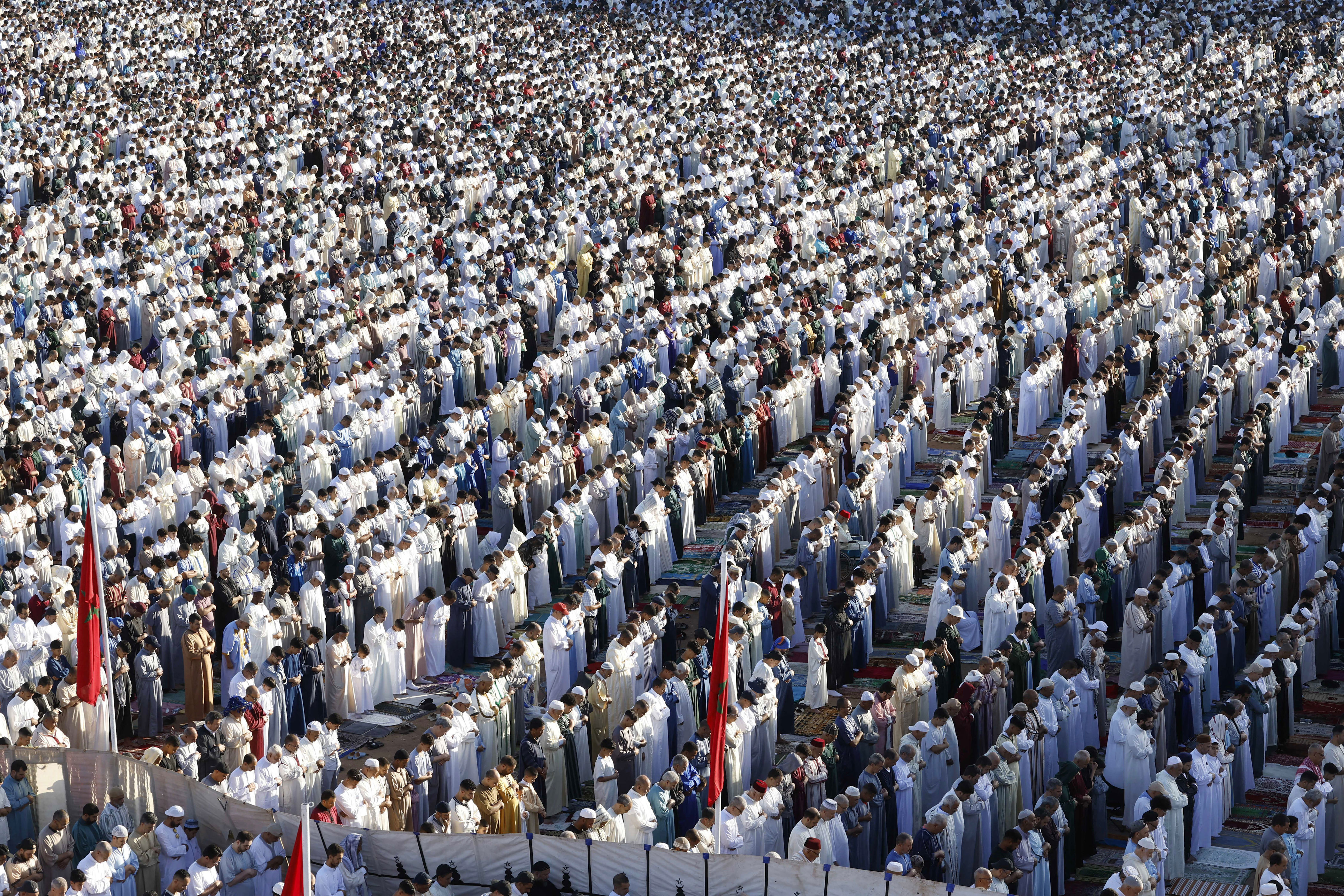
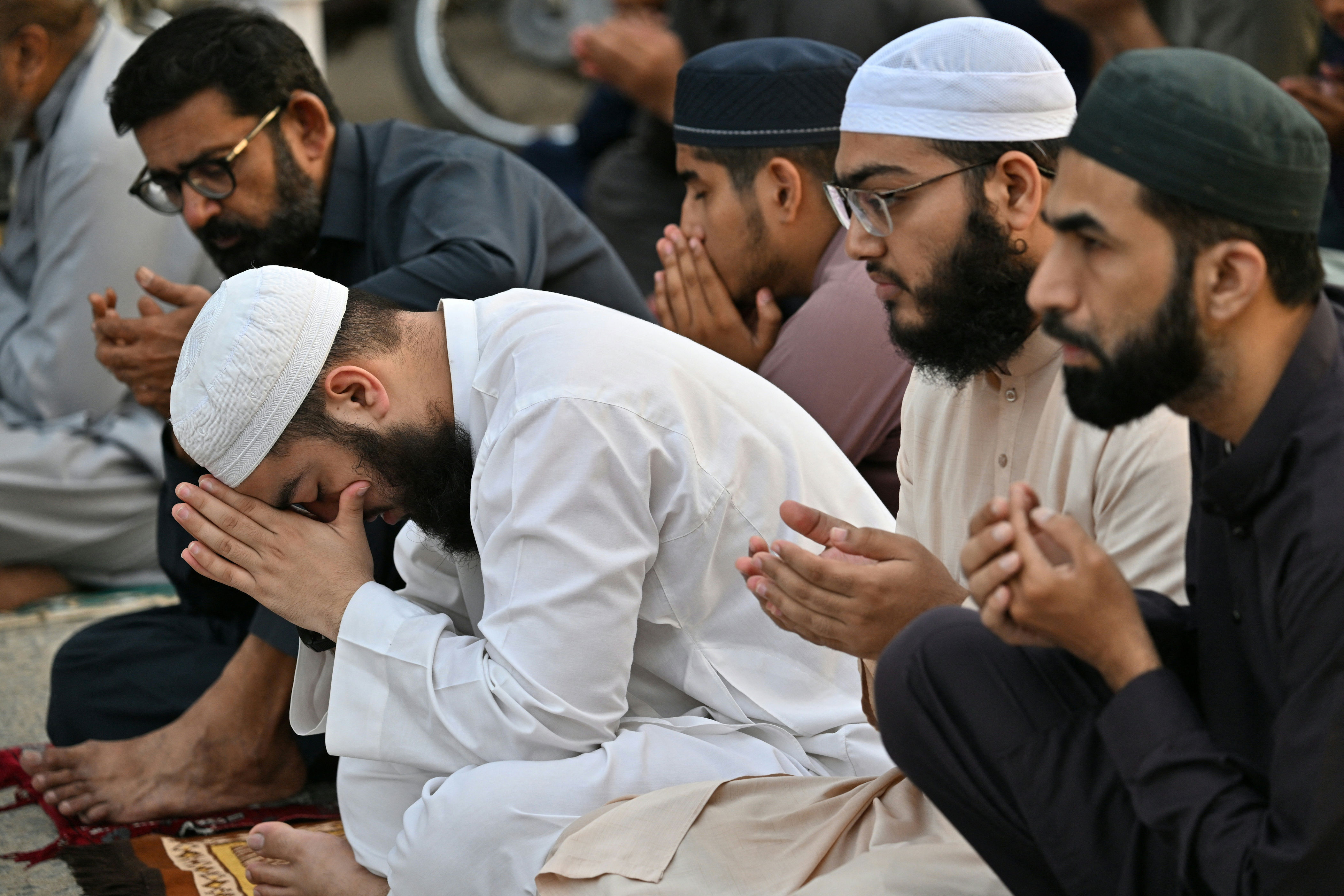
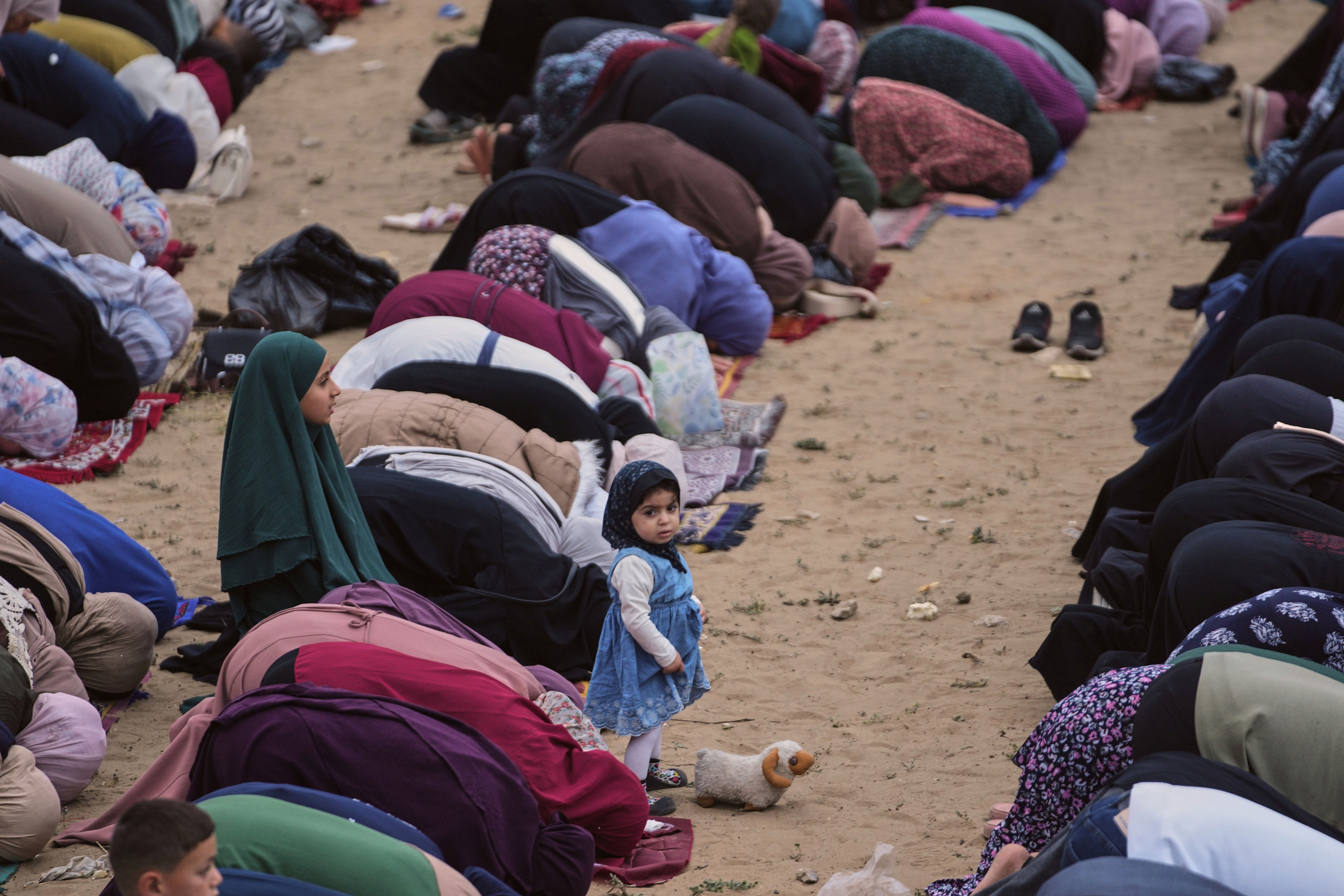
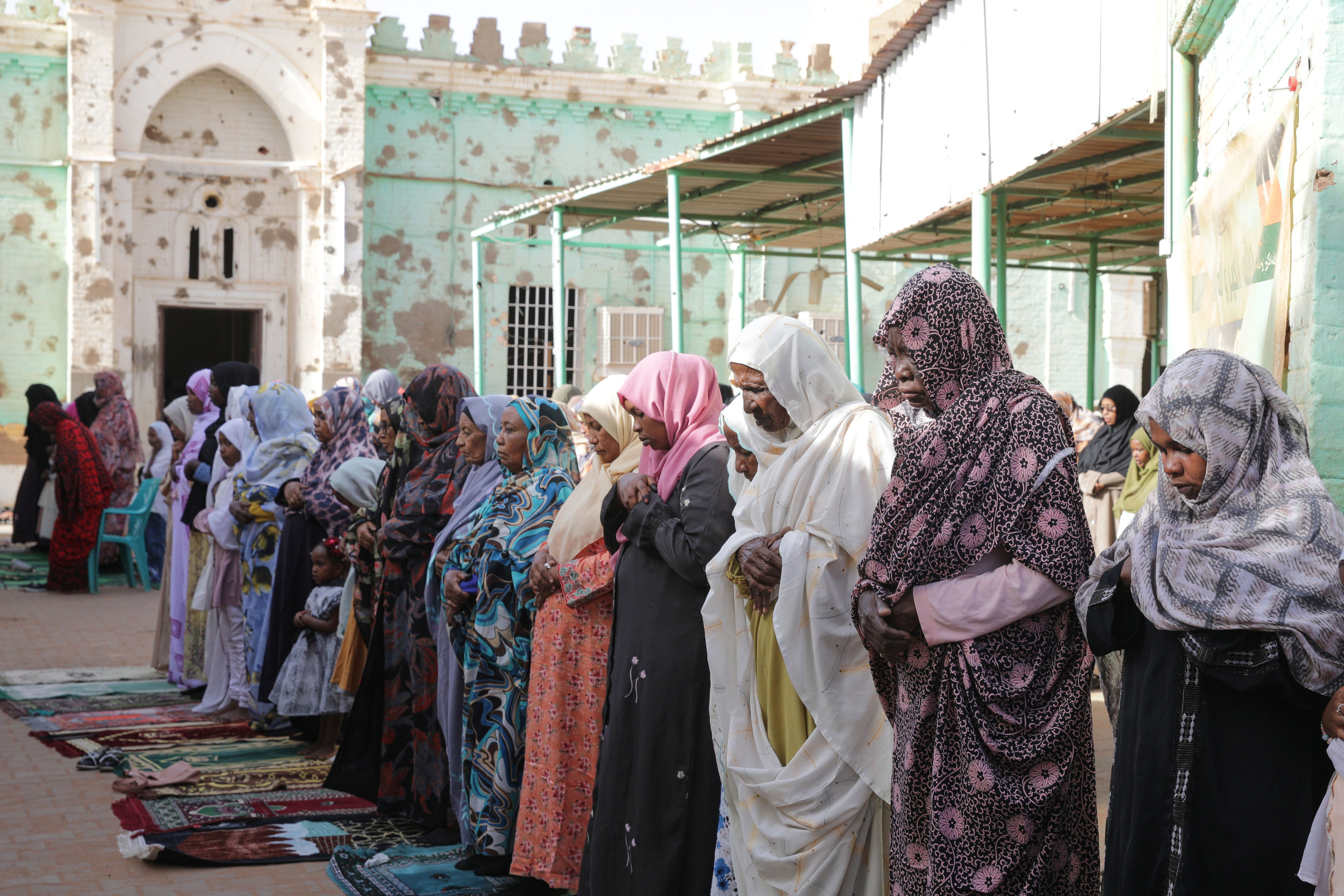
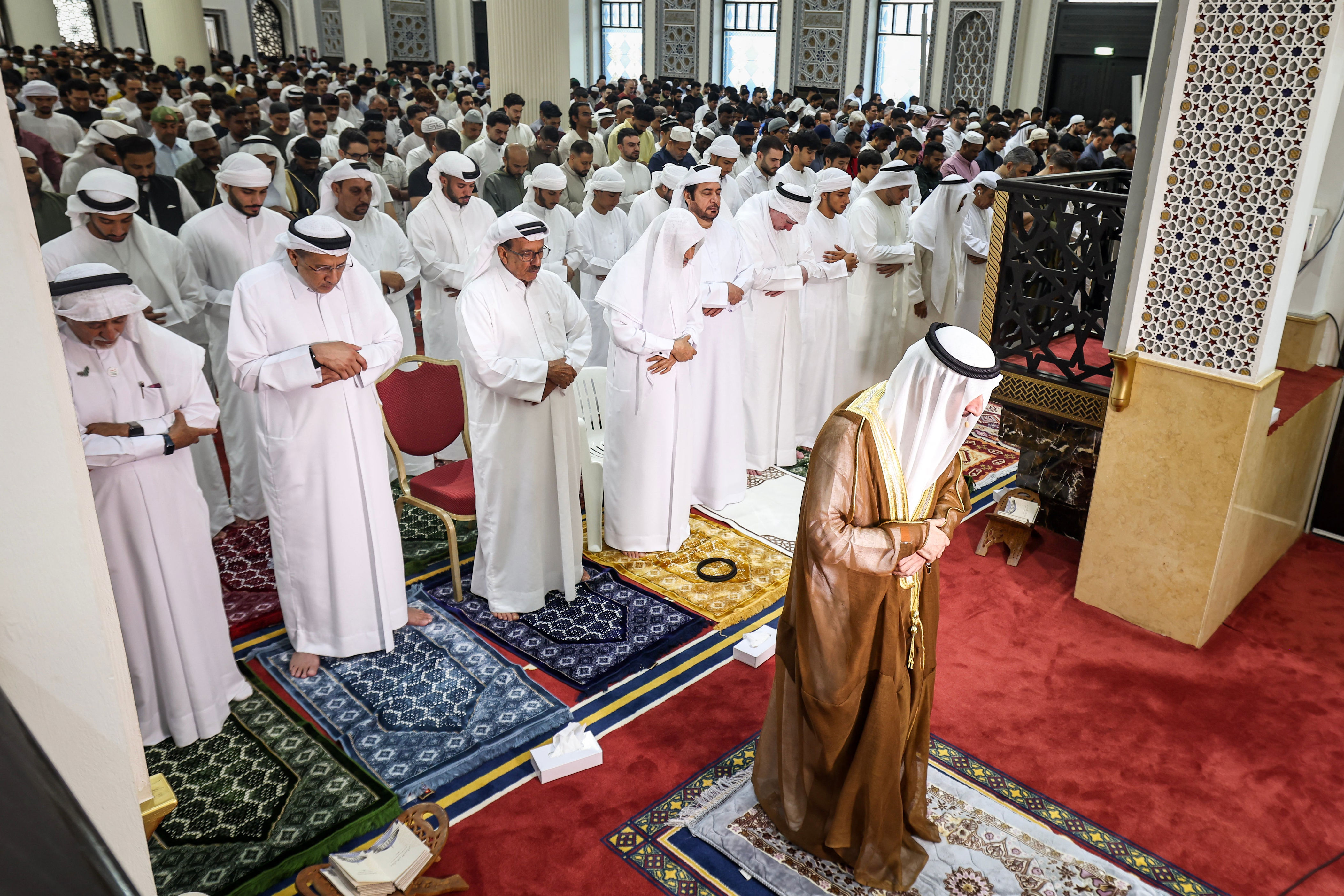
On the day of Eid al-Adha, both men and women gather to offer prayers at their local mosques or special Eidgahs, which are open spaces designated for this purpose. While women are typically encouraged to pray separately from men, Eidgahs and mosques have specific areas set aside for women to participate in the prayers. These prayers often include a special focus on people who are suffering in different parts of the world.
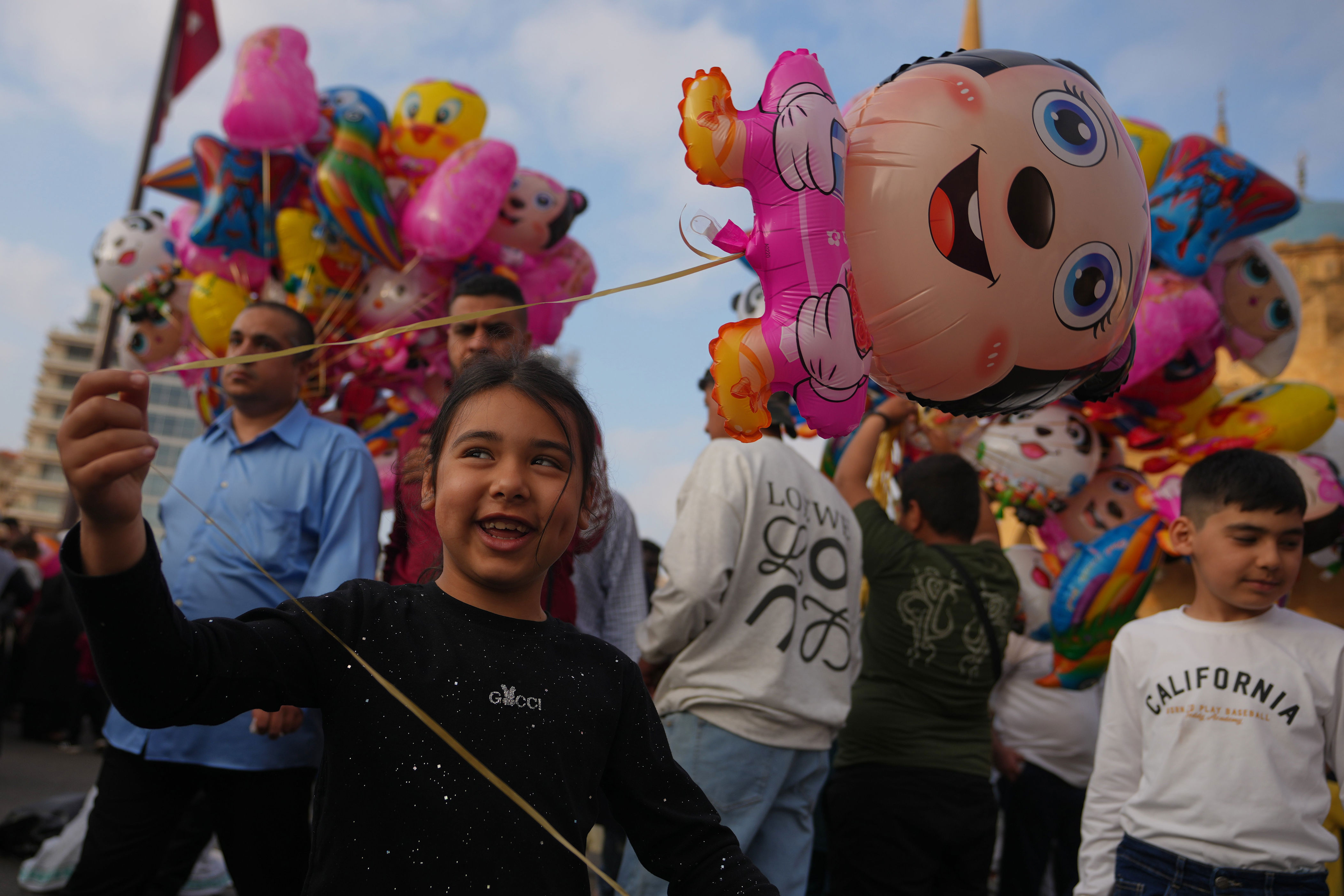
Celebrations and Traditions
After the Imam-led Eid prayers, families prepare special dishes at home and come together to celebrate the festival. One of the highlights of Eid is the Eid dastarkhawan, or Eid spread, which is decorated with various mutton dishes and enjoyed by all. The remainder of the first day is spent visiting relatives and friends, as well as distributing the meat from the sacrificial animal.
Modern Celebrations and Trends
With the rise of social media, “Eid selfies” have become a popular trend. Many Muslims take photos in their best attire and share them online. Wearing new clothes on Eid is considered a Sunnah, which refers to practices encouraged by the Prophet Muhammad. As a result, many Muslims purchase new clothing before the festival, and markets are bustling with shoppers.
Regional Variations in Dates
The dates of Eid al-Adha can vary depending on the sighting of the new moon. For example, parts of India and Bangladesh will celebrate on 28 May, while many regions in Southeast Asia observed it on 27 May.
Gifts for Children
Eid is also a time when children receive eidee, which is a small monetary gift from parents, uncles, and aunts. This tradition adds to the joy and excitement of the festival for younger members of the community.
Global Muslim Population
According to the Pew Research Centre, Muslims are the world’s second-largest religious group and the fastest-growing major religion. They make up the majority of the population in the Middle East-North Africa region. In other regions, including the Asia-Pacific area, Muslims are a religious minority. The Asia-Pacific region is home to 59 per cent of all Muslims globally.
Independent Readers and Their Values
Independent readers are characterized by their independent-mindedness and global perspective. They are not defined by traditional demographics but by their attitudes and values. In today’s fragmented world, communities place a high value on real facts and honest opinions delivered by a trusted news source. Empowered by information and inspiration, these readers are equipped to stand up for their beliefs and take action.