A New Era in Space Travel
For years, scientists have been searching for faster and more efficient ways to travel through space. Now, NASA believes a new type of electric engine could help solve part of that problem. This breakthrough could revolutionize the way we explore the cosmos.
Record-Breaking Power
Researchers recently tested an advanced electric propulsion system that reached a record-breaking power level of 120 kilowatts. According to recent reports, this makes the engine far more powerful than current systems already being used in space missions.
The new engine is around 25 times stronger than the propulsion system used on NASA’s Psyche spacecraft. Engineers believe this technology could play an important role in future crewed missions to Mars and possibly even deeper space exploration.
How Electric Propulsion Works
Unlike traditional chemical rockets, electric propulsion systems use much less fuel. Instead of creating one huge burst of power, these engines slowly and continuously accelerate spacecraft over long periods of time. That approach may sound less dramatic, but it can eventually push spacecraft to extremely high speeds.
The engine tested by NASA uses lithium vapor as fuel. Scientists say this method could be more efficient than older ion engines that rely on xenon gas.
Current Achievements and Future Goals
Current electric propulsion technology has already shown impressive results. NASA’s Psyche probe is expected to eventually reach speeds close to 200,000 kilometers per hour. Researchers now hope the newer and more powerful engine could shorten travel times to Mars in the future.
NASA estimates that a crewed mission to Mars would require propulsion systems producing between 2 and 4 megawatts of power. Multiple engines would need to operate continuously for more than 23,000 hours. That equals roughly two and a half years of nonstop operation.
Surviving Extreme Conditions
During recent testing, the new engines survived temperatures above 2,800 degrees Celsius. Scientists see that as an important step toward proving the technology can handle the harsh conditions of space travel.
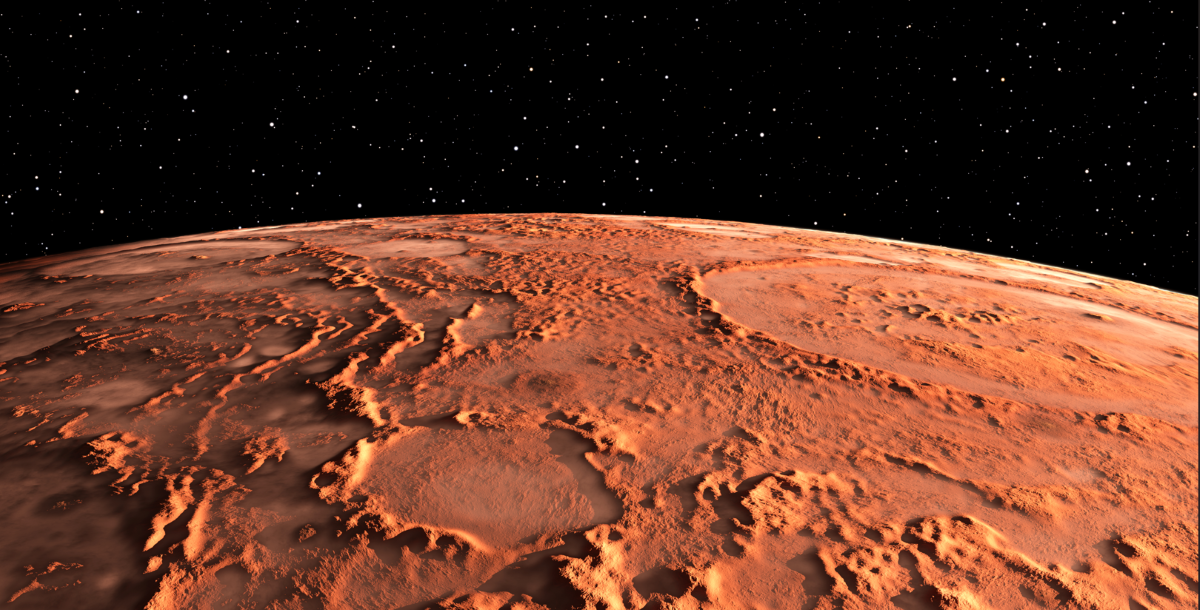
A mission to Mars is still a difficult and lengthy project. Launch opportunities only happen about every two years because of the positions of Earth and Mars. Current mission plans estimate astronauts would spend six to nine months traveling to Mars, around 18 months on the planet, and several more months returning home.
The Potential Impact
Researchers believe better electric propulsion could eventually make those journeys faster, cheaper, and more practical for future human exploration.
Challenges and Opportunities
While the technology is promising, there are still many challenges to overcome. The development of reliable and durable propulsion systems that can withstand the extreme conditions of space is crucial. Additionally, the logistics of planning and executing a crewed mission to Mars remain complex.
Despite these challenges, the progress made by NASA and other space agencies is a significant step forward. With continued research and innovation, the dream of human exploration beyond our planet may become a reality sooner than we think.