A Growing Movement in Hollywood: The Return of Practical Filmmaking
In an industry increasingly dominated by digital effects and AI-generated visuals, a small but passionate group of filmmakers is choosing to embrace the old-school methods of practical filmmaking. This shift has been gaining momentum, with some of the most respected names in cinema, like Guillermo del Toro, championing the use of physical sets, miniatures, and real-world textures over digital shortcuts.
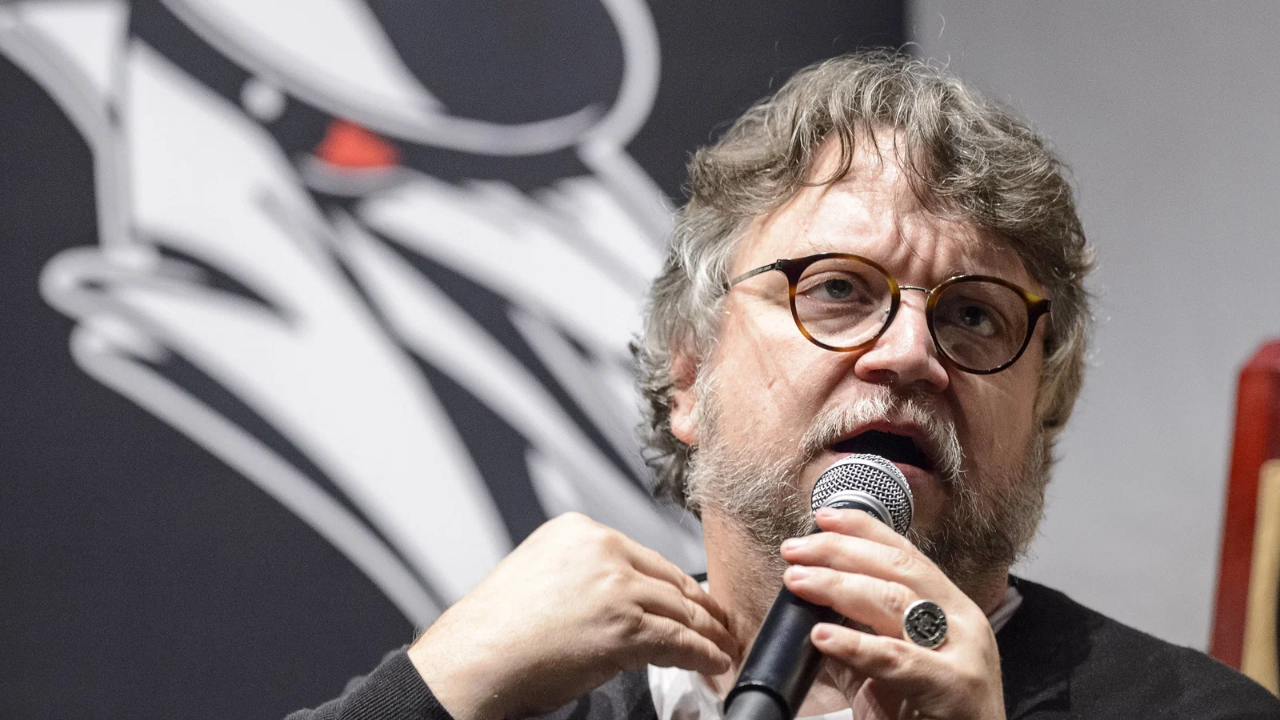
Guillermo del Toro, known for his love of tactile storytelling, recently showed his support for Boots Riley’s latest project, which has sparked a conversation about the value of hands-on filmmaking. His endorsement comes at a time when the film industry is facing significant challenges, including the pressures of overworked visual effects artists, tight production schedules, and the growing influence of artificial intelligence in content creation.
Despite these challenges, there remains a dedicated community of filmmakers who continue to prioritize practical effects. These artists believe that the unpredictability and messiness of real-world materials add a unique depth to storytelling that digital alternatives cannot replicate.
Boots Riley’s Commitment to Practical Effects
Boots Riley’s latest film, I Love Boosters, has become a focal point for this movement. After sharing behind-the-scenes footage from one of the film’s ambitious chase sequences, Riley received praise from del Toro, who highlighted the movie’s reliance on handmade practical effects rather than digital filmmaking.
Del Toro took to social media to express his admiration, writing, “Not enough is said about how much Boots uses hand-made things instead of digital things!” Riley later reshared the post, emphasizing the intentional nature of his creative choices. He noted that while the film does include some visual effects work, such as compositing and cleanup, it avoids the use of CGI entirely.
Riley also humorously credited del Toro as an inspiration, encouraging audiences to see the movie in theaters to experience the practical effects firsthand.
The Craft Behind I Love Boosters
The behind-the-scenes breakdown of I Love Boosters reveals just how much practical craftsmanship went into the film. Rather than relying on CGI, Riley used miniature Bay Area sets for chase scenes, practical illusions, and physical set manipulation to create the movie’s surreal world.
One of the most striking elements of the film was the creation of the “people in $100,000 suits” featured toward the end. This was achieved through the work of Oakland-based stop-motion team Mystery Meat Media. For scenes set inside fashion mogul Christie Smith’s office, played by Demi Moore, Riley even tilted the set by 17 degrees to give the location an intentionally surreal sharp angle.
Another impressive feat was the creation of a futuristic electromagnetic beam effect, which was reportedly made using little more than a water hose against black, later composited into the shot.
Guillermo del Toro’s Philosophy on Filmmaking
Del Toro’s admiration for this kind of filmmaking stems from his own experiences in the industry. While working on his Oscar-winning Pinocchio, he spent nearly 940 days bringing the stop-motion feature to life. The project involved working across more than 60 production units simultaneously and insisting on hand-crafted artistry rather than CGI shortcuts.
Speaking on Netflix’s Skip Intro podcast, del Toro emphasized that Pinocchio was “all done by artisans” and repeatedly rejected studio suggestions to make the movie digitally resemble stop-motion instead of physically crafting it. This philosophy seems to be carrying over into his upcoming stop-motion fantasy project.
A New Era of Tactile Storytelling
With I Love Boosters now in theaters, Riley appears to be doubling down on the tactile, surreal filmmaking style that first brought him into the mainstream spotlight with Sorry to Bother You. His commitment to practical effects aligns with a broader trend in the industry, where filmmakers are seeking to reconnect with the human touch in their storytelling.
From del Toro’s perspective, this kind of filmmaking represents more than just a technical choice—it’s a statement about the value of craftsmanship, creativity, and the enduring power of physical artistry.
The Future of Filmmaking: Balancing Technology and Tradition
As the film industry continues to evolve, the balance between technology and tradition remains a central debate. While digital tools offer efficiency and limitless possibilities, many filmmakers argue that the authenticity and emotional resonance of practical effects cannot be replicated by machines.
This tension is not new, but it has taken on renewed significance in recent years. With the rise of AI-generated content and the increasing pressure to meet tight deadlines, the demand for practical filmmaking has become more urgent than ever.
Filmmakers like Riley and del Toro are leading the charge, proving that there is still a place for the hands-on, labor-intensive approach in modern cinema. Their work serves as a reminder that storytelling is not just about what is seen on screen, but also about the effort, creativity, and dedication that go into making it.