A Glimpse into the World of ‘Spider-Noir’
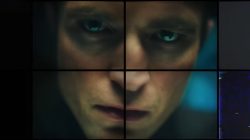
A low-angle Dutch shot tilts the camera into disequilibrium. A fedora casts deep shadows across a man’s face. In the corner, cigarette smoke curls through the frame like a living thing, thick and suffocating. A dead wife haunts the detective, her memory a ghost he can’t exorcise. The room is black and white, or maybe the world is—either way, hope died years ago.
A trench-coated gumshoe sits behind a desk littered with case files, hollow-eyed. He’s not chasing justice; he’s dodging regret. This is the world of 1930s and 40s film noir, where silhouettes merge with shadows and jazz plays in smoky dive bars. In it enters Nicolas Cage as Ben Reilly, perfectly while exuding pure Humphrey Bogart in Spider Noir.
The Ghost of Bogart in Every Frame
Cage has been honest about his influences, “70 percent Bogart, 30 percent Bugs Bunny,” he had said. When the animated role became a live-action Prime Video series, Cage didn’t abandon that vision; he doubled down. He’d already experimented with Bogart’s style in Paul Schrader’s Dog Eat Dog, playing with the same affectation and gravelly rhythm. For Spider-Noir, Cage wanted his voice to sound “almost like a 1930s noir film star,” blending Bogart with James Cagney and Edward G. Robinson, anyone from that era who talked fast and carried a certain rhythmic delivery.
The show’s cinematography mirrors this homage. Director of photography Darran Tiernan drew inspiration from classic noir films from the early 1940s through the late 1950s, leaning into “deep shadows, smoke-filled interiors and off-kilter framing”. They used older lighting technology closer to what was available during the noir era, grounding the look in period authenticity. The series was shot in black and white and later colorized digitally, giving viewers the choice between formats.
Cage personally pushed for this dual release because the black-and-white version fits the 1930s noir detective tone perfectly. Cage’s dialogue delivery drips with the same confession-like quality that defined Bogart’s performances. He doesn’t dramatize; he absorbs. The exhaustion isn’t incidental; it’s the point. Ben Reilly has already had his Chinatown disillusionment moment years before the series begins, and his grief over his dead wife is the engine driving every line he delivers.
A World Drenched in Shadows and Sorrow
Spider-Noir is all smoke, shady dames, and black and white cinematography. The series is richly infused with shadows, cigarette smoke, and a cast of sassy secretaries and dubious dames, as well as superheroes and villains. Set in Depression-era New York, where hope is fading, and shadows rule the streets, no friendly neighborhood hero is swinging between skyscrapers, only a weary gumshoe trying to survive the criminal underbelly.
The show leans into the sharp shadows, heightened drama, and pulpy energy of the Spider-Noir universe, making it a natural fit for Cage, who has always drawn from film, art, and larger-than-life performances. The bleakness is palpable. The noir detective doesn’t chase justice; he dodges regret. He’s a man cataloging his failures, a witness who refuses to look away even when the city’s corrupt heart breaks him.
In a fundamentally corrupt world, individual integrity matters less than the code you keep. Cage embodies this moral fatigue, pierced by flickers of grace, in a way that feels both authentic to the genre and uniquely his own. Ben Reilly is a detective who’s already lost everything, and every web he swings, every bullet he dodges, is penance for a love he couldn’t protect. The noir detective keeps his code even when the world doesn’t deserve it, and Cage’s Ben Reilly embodies that stubborn, broken integrity.
Key Elements That Define Spider-Noir
- Cinematography: The use of deep shadows, smoke-filled interiors, and off-kilter framing creates an immersive noir atmosphere.
- Color Options: The series was shot in black and white and later colorized digitally, offering viewers a choice between formats.
- Performances: Nicolas Cage’s portrayal of Ben Reilly is deeply influenced by classic noir actors like Humphrey Bogart, adding authenticity to the character.
- Setting: Set in Depression-era New York, the show captures the bleakness and corruption of the time.
- Themes: The series explores themes of loss, regret, and moral integrity in a world where justice is elusive.