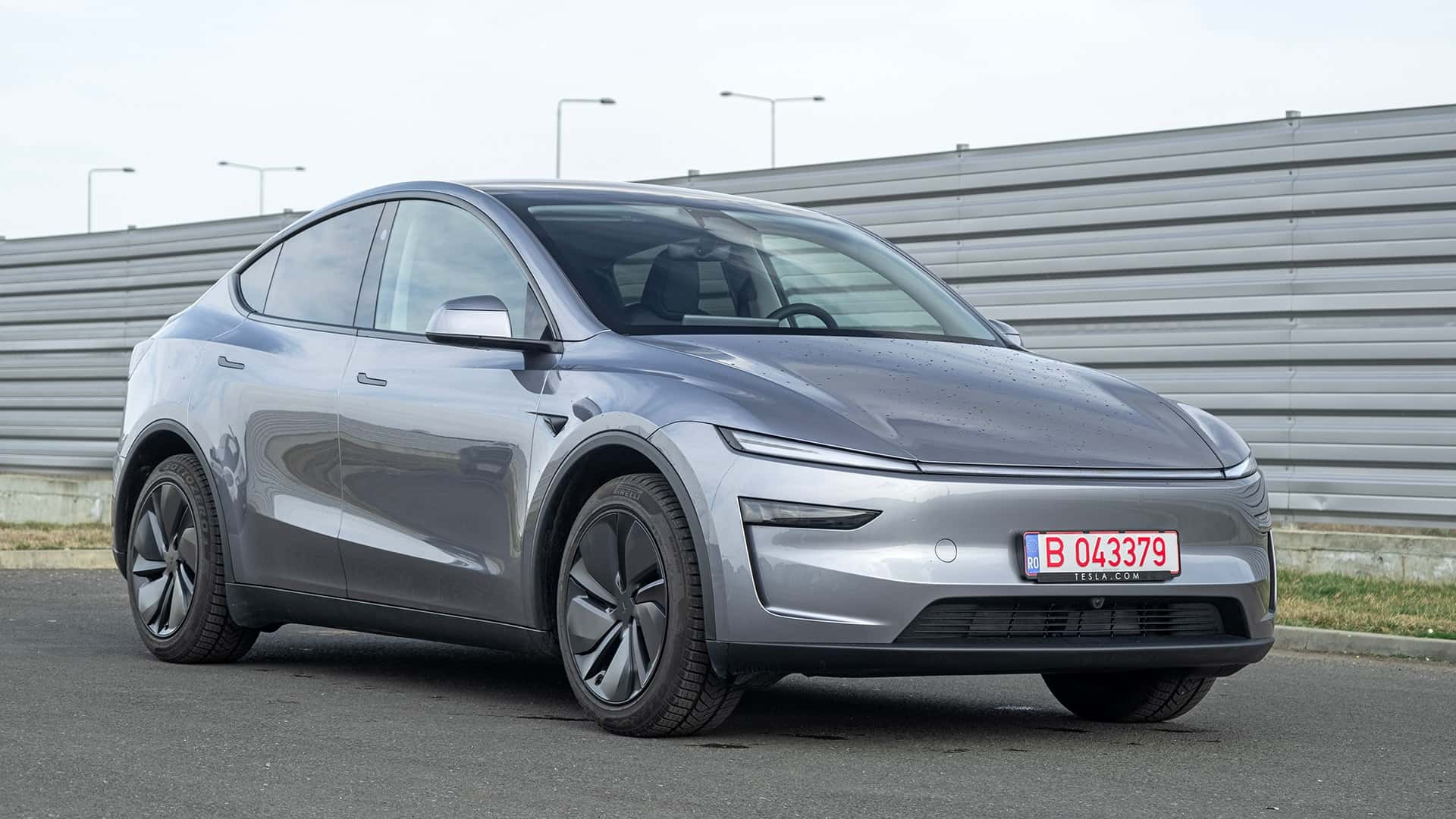
Tesla’s European Sales Show Signs of Recovery
Tesla’s European sales have started to show signs of recovery after a challenging 2025. While the company faced a period of decline, it is now experiencing growth again, though it faces stiff competition from other automakers. One of the most notable competitors in this space is BYD, which has seen even more significant growth in April, thanks to a wider range of models.
The EV market in Europe is becoming increasingly competitive, and Tesla’s position as a market leader is being tested. For much of 2025, the narrative around Tesla in Europe was one of decline. Sales were dropping, and consumers had more choices than ever before. Elon Musk’s public persona, especially his political involvement, became closely tied to the brand, which may have affected its appeal. Despite this, the Model Y remained a popular product, but overall sales were on a downward trend, marking the first time that Tesla seemed vulnerable.
However, things have started to stabilize. Tesla’s sales are no longer decreasing, and there are clear signs of improvement. In April, European registrations increased by 46.5% year-over-year, reaching 10,654 vehicles. This marked Tesla’s third consecutive month of growth after over a year of consistent declines. In the European Union alone, Tesla’s April registrations surged by more than 67% to 9,169 vehicles, following gains of over 84% in March and nearly 12% in February, according to data from the Wall Street Journal citing ACEA figures.
Context for Tesla’s Growth
It’s important to note that Tesla’s growth in April appears impressive because the previous year’s performance was weak. The company struggled throughout 2025 while the broader EV market was recovering. According to ACEA’s 2025 figures, EU EV registrations reached 1,880,370 vehicles, with a 17.4% market share, up from 13.6% in 2024. This means that even as Tesla was struggling, the overall EV market was expanding.
In April, the broader European car market grew by 7%, reaching 1,152,315 vehicles. Electrified cars—EVs, PHEVs, and hybrids—accounted for more than two-thirds of all registrations. This context highlights that Tesla’s gains were not isolated but part of a larger shift towards electrification. Reuters reported that renewed incentive schemes and subsidies, along with higher fuel prices, were pushing buyers toward low-emission vehicles.
ACEA data also shows that battery-electric cars accounted for 19.7% of the EU market through April 2026, up from 15.3% a year earlier. There were 746,899 new battery-electric car registrations in the first four months of the year, with strong growth observed in Italy, France, and Germany.
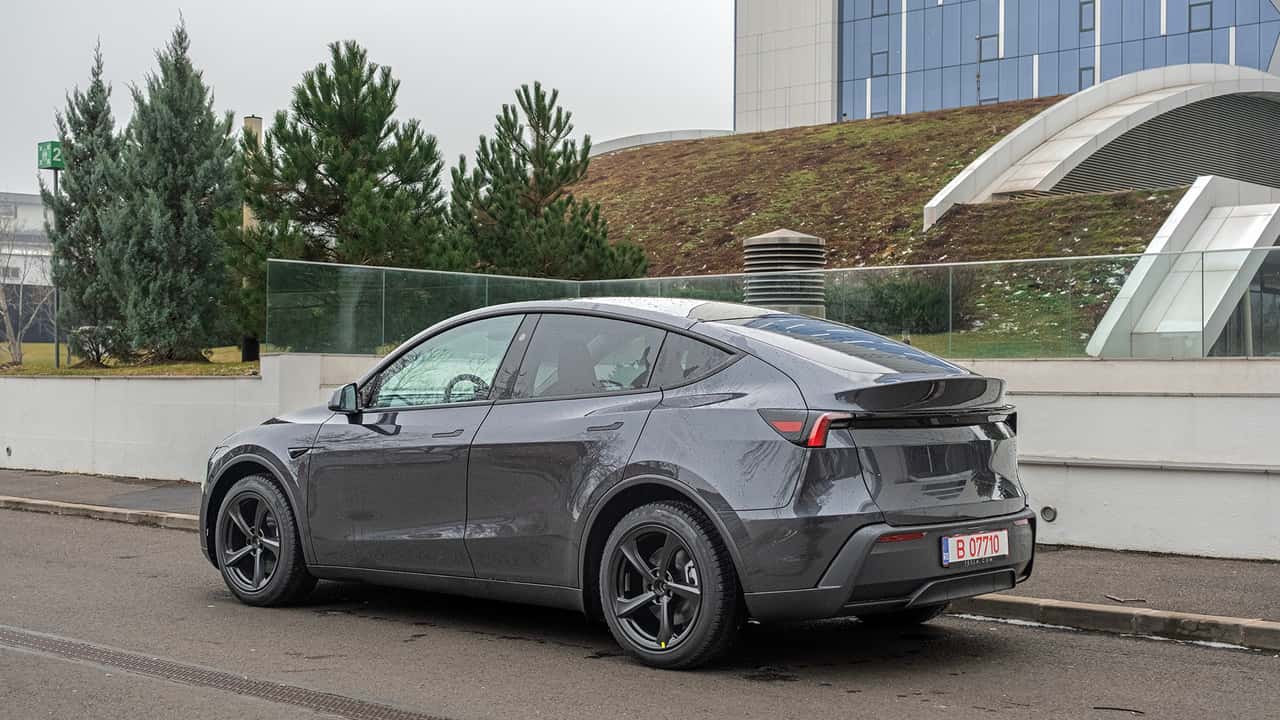
BYD’s Strong Performance in Europe
While Tesla has shown healthy growth in recent months, its competitor BYD has posted even stronger numbers. In April, BYD’s registrations jumped by 114.5% to 27,008 units, surpassing Tesla’s European total for the same month. However, not all of these vehicles were fully electric.
BYD is also targeting segments that Tesla has not yet covered. The new Dolphin G DM-i is a plug-in hybrid supermini designed for the European market, offering an entry point into a high-volume segment where Tesla has no presence. BYD already offers fully electric vehicles in this segment, and the addition of a PHEV could significantly broaden its appeal.
Despite this competition, Tesla is not backing down. Reports suggest that the company is working on a smaller, more affordable EV. This more affordable electric crossover is reportedly in the early stages of development and would be built in China. Tesla typically moves quickly once a project is confirmed, but its recent product development pace has been cautious.
The company has long talked about cheaper models, and the lower end of the European EV market is already filling up. However, a new, more affordable model could give Tesla a much-needed product below the Model Y. That said, the product has not been officially confirmed, and there is no official timeline for its release.
The Evolving European Market
Tesla is no longer in a state of collapse in Europe, but the market it once helped shape and lead has become far more crowded. Consumers now have access to better local EVs, a stronger Chinese presence, and more options beyond the Model 3 and Model Y. April’s numbers show that Tesla still has a strong following in Europe, but it is no longer the dominant force it once was.