The Early Struggles of a Future Icon
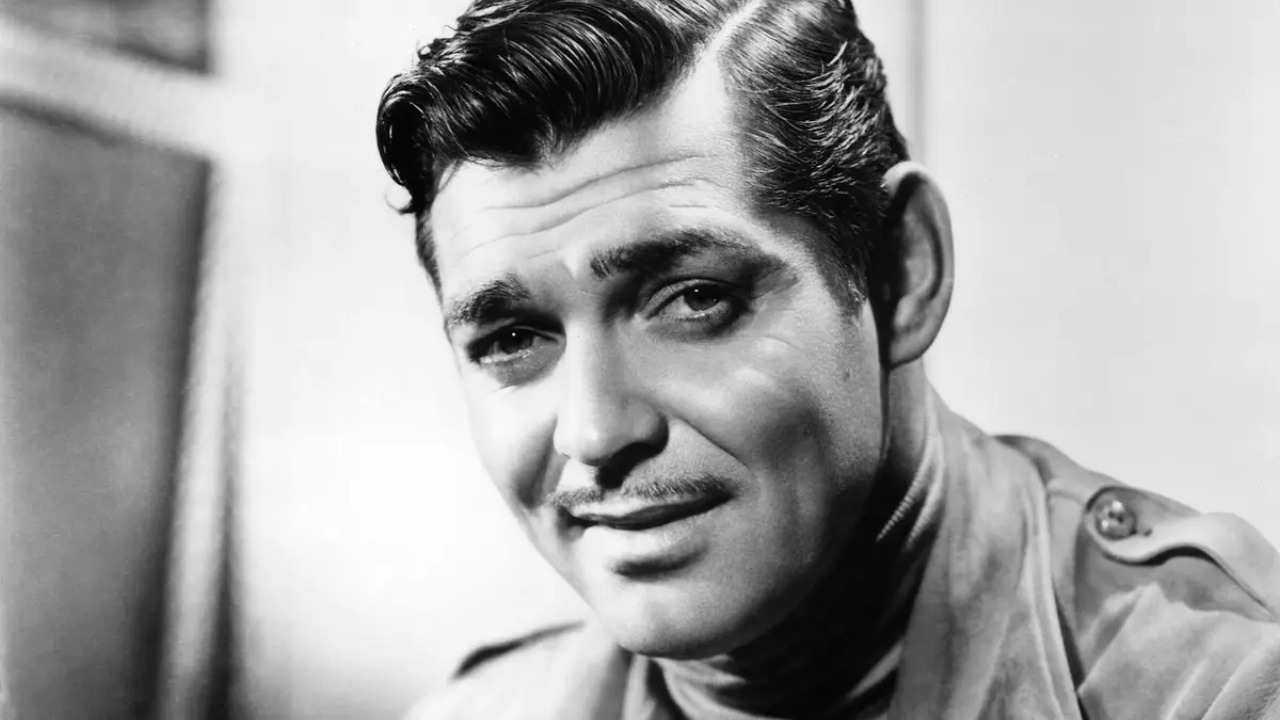
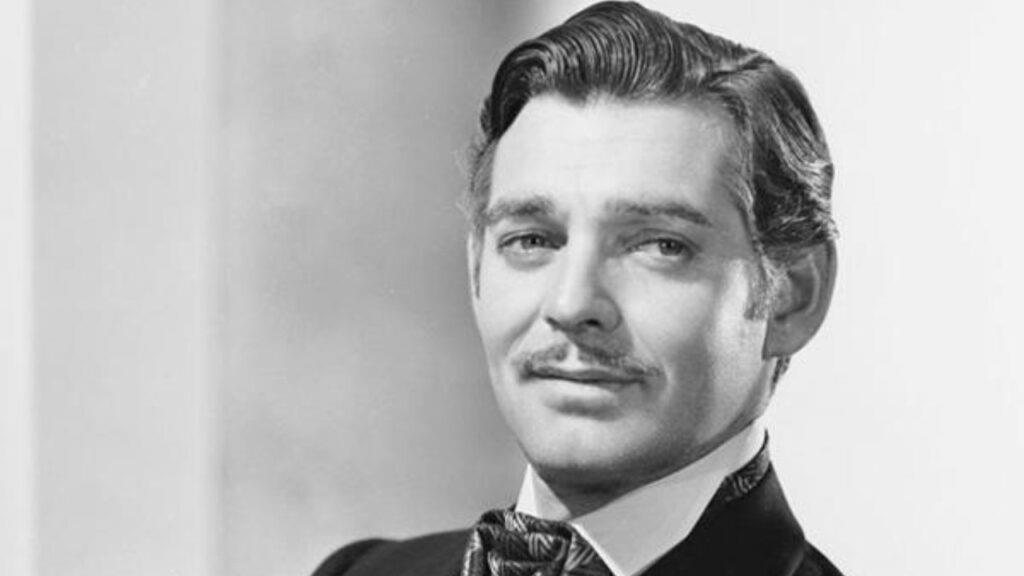
It is the golden hour in a forgotten studio commissary. A young actor with ears that seem too large for his head and a jaw that seems too square for the screen sits across from a titan of cinema. The verdict arrives not as a gentle rejection, but as a biological insult: “His ears are too big and he looks like an ape.” With those words in 1930, Darryl F. Zanuck, the head of Warner Bros., supposedly tore up a contract and sent William Clark Gable packing. If Zanuck’s harsh words had been the end of it, Rhett Butler would never have said his famous line, the “King of Hollywood” would never have been crowned, and the Golden Age of movies would look completely different.
From Struggling Actor to Hollywood’s “Ape”
Today, people remember Gable as the classic American man. He was the smart reporter Peter Warne in It Happened One Night, the tough Fletcher Christian in Mutiny on the Bounty, and the charming scoundrel in Gone with the Wind. But in the late 1920s, he was just a struggling stage actor with a high voice, crooked teeth, and a body that studio bosses called “brutish” instead of beautiful.
The rejection from Zanuck was not an isolated incident. At MGM, the famous producer Irving Thalberg got so distracted by Gable’s big ears that he could not even finish watching his screen test. One studio executive even called him a “jug-head,” while theater critics had laughed at his clumsy moves and squeaky voice during plays.
How Clark Gable Turned Insults Into Armor
So how did a man who looked like an “ape” become the face of American manhood for thirty years? It came down to stubbornness, luck with the talkies, and a weird stop at Hollywood’s cheap side.
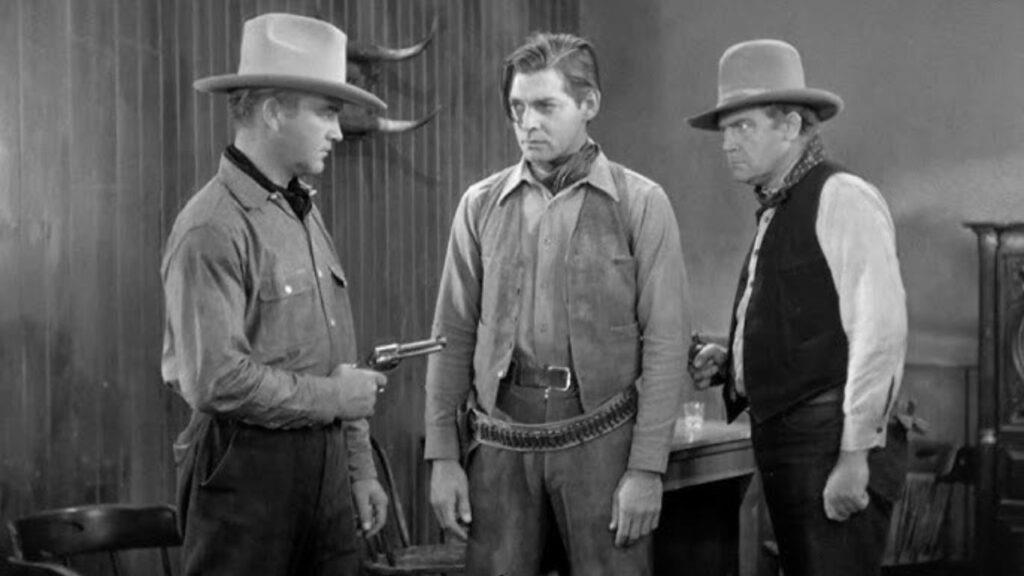
After that embarrassing rejection, Gable did not go home to Ohio. Instead, he got better at his craft. He married his acting coach, Josephine Dillon, a woman seventeen years older than him who used her own savings to fix his teeth and smooth out his rough edges. Then, a last-minute role in the 1931 Western The Painted Desert caught MGM’s attention. Soon, they decided to take a chance on the “ape” even with his ears.
The “Punishment” That Led to an Oscar
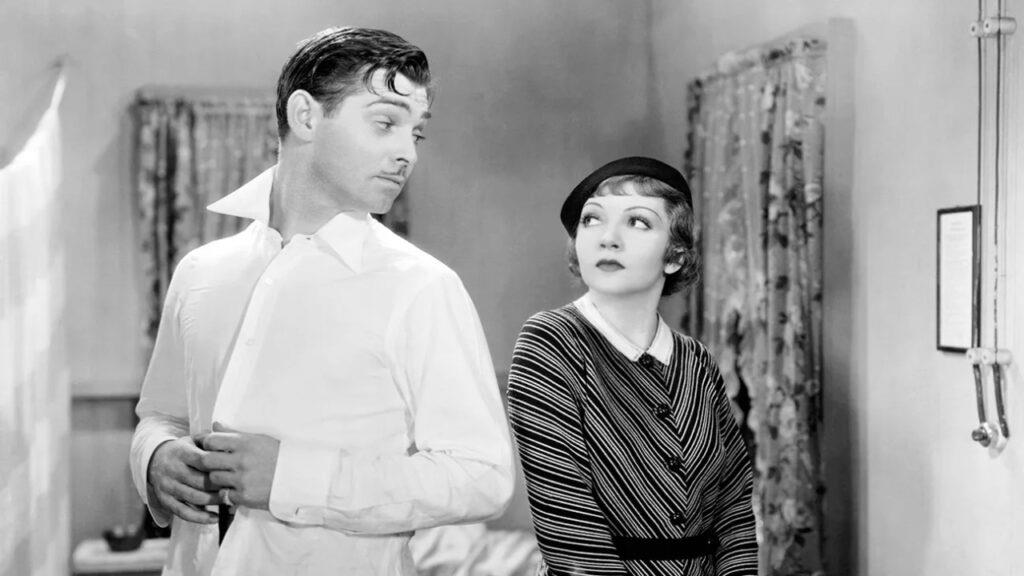
However, the studio heads still did not know what to do with him. When Gable complained about always being cast as the villain, MGM boss Louis B. Mayer “punished” him by lending him out to Columbia Pictures. People back then made fun of Columbia and called it “poverty row.” The movie was Frank Capra’s It Happened One Night.
Mayer got the last laugh taken away from him as Gable won the Oscar for Best Actor. The movie swept the top awards, and the scene where he takes off his shirt to show a bare chest with no undershirt supposedly caused men’s underwear sales to drop across the country. The “ape” had suddenly become the industry’s most valuable asset.
Why the Man Called an “Ape” Became the Lasting King
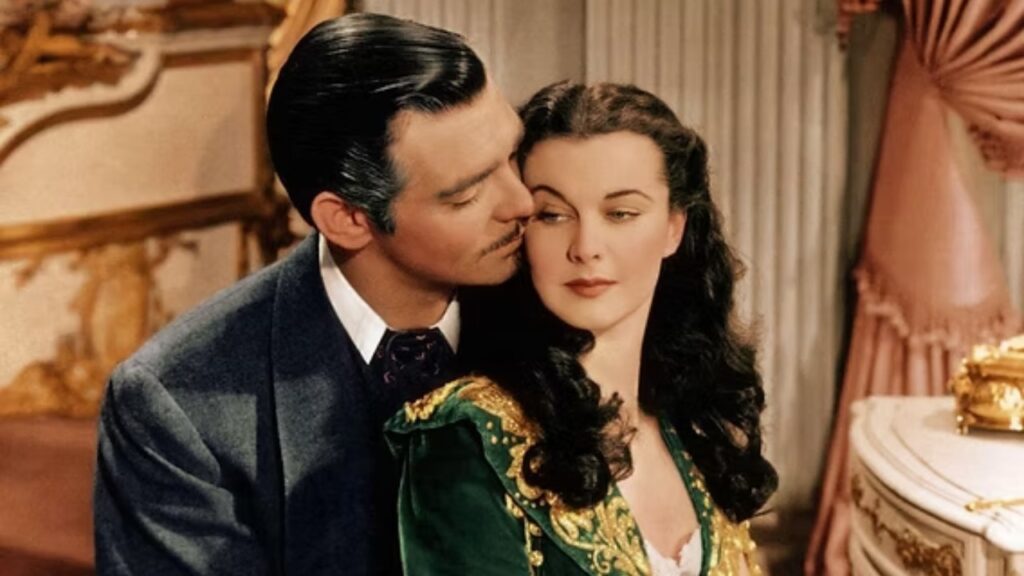
Gable never forgot the mean things people said, but he rarely let it show. On set, he was known for making fun of himself. During the hard shoot of Gone with the Wind in 1939, even when he was the biggest star in Hollywood, he reportedly made jokes about his own dramatic exits. He called them “hameroos” and asked his coworkers if they “smelled anything.”
He turned the insults into armor. Those big ears became something you noticed in a good way. That rough, hairy chest that people once called animalistic became the symbol of a new kind of leading man. Rugged. Working class. Unapologetically male.
When Gable died in 1960, just days after finishing The Misfits, he left behind a simple truth about Hollywood. The bosses who hold the power are often wrong. Darryl Zanuck, who had called Gable less than human, spent the rest of his career kicking himself over that mistake. In a town full of pretty faces, it was the man they called an “ape” who became the lasting King.