Bentley’s Frank-Steffan Walliser has joined a growing number of carmaker CEOs who are expressing concerns over the high costs associated with the global mismanagement of the shift towards electric vehicles (EVs).
“If you add it all up, all the profit corrections we have seen over the last year, the misassumptions made, and the misjudgement about the tipping point to full EV, it has cost the global automotive industry €100 billion (A$162b).”
“You could have made a lot of e-fuel to reduce CO2 with that,” said the former Porsche chief engineer.
Key developments in the electric vehicle sector
- Important upcoming electric cars cancelled: Eye-watering losses for Honda as global EV back-down intensifies
- Subaru joins EV push-back after massive losses, joining Honda and Ford in delaying important electric car plans
- ‘We will not survive’: Toyota rings massive China alarm bell as vehicles such as the 2026 BYD Shark 6, Denza B5, Chery Tiggo 4 and GWM Haval steal sales
Walliser and his former colleagues in Stuttgart lobbied institutions like the European Commission hard when it was drafting the original EU emission targets, advocating for the inclusion of synthetic fuels that led to the most aggressive electrification plans. They achieved some success, but despite this, the Bentley boss says the move to EVs remains inevitable.
“In the long term, everything will be electric, is what I expect and we stay committed to the CO2 reduction,” but the damage has already been done with billions now being written off as EV programs—even from the likes of Porsche—are now being cancelled, postponed, or reconfigured drastically to finally take into consideration what actual customers want.
“We have to look at the customer’s choice. It’s all about choice and not to limit the choice artificially.”
Walliser knows only too well from working on the front line in a small car-maker that had to write down an astonishing €3.9 billion (A$6.4b) as part of Porsche’s EV retreat. But, despite that, he is confident it’s time for Bentley to roll out its first electric car.
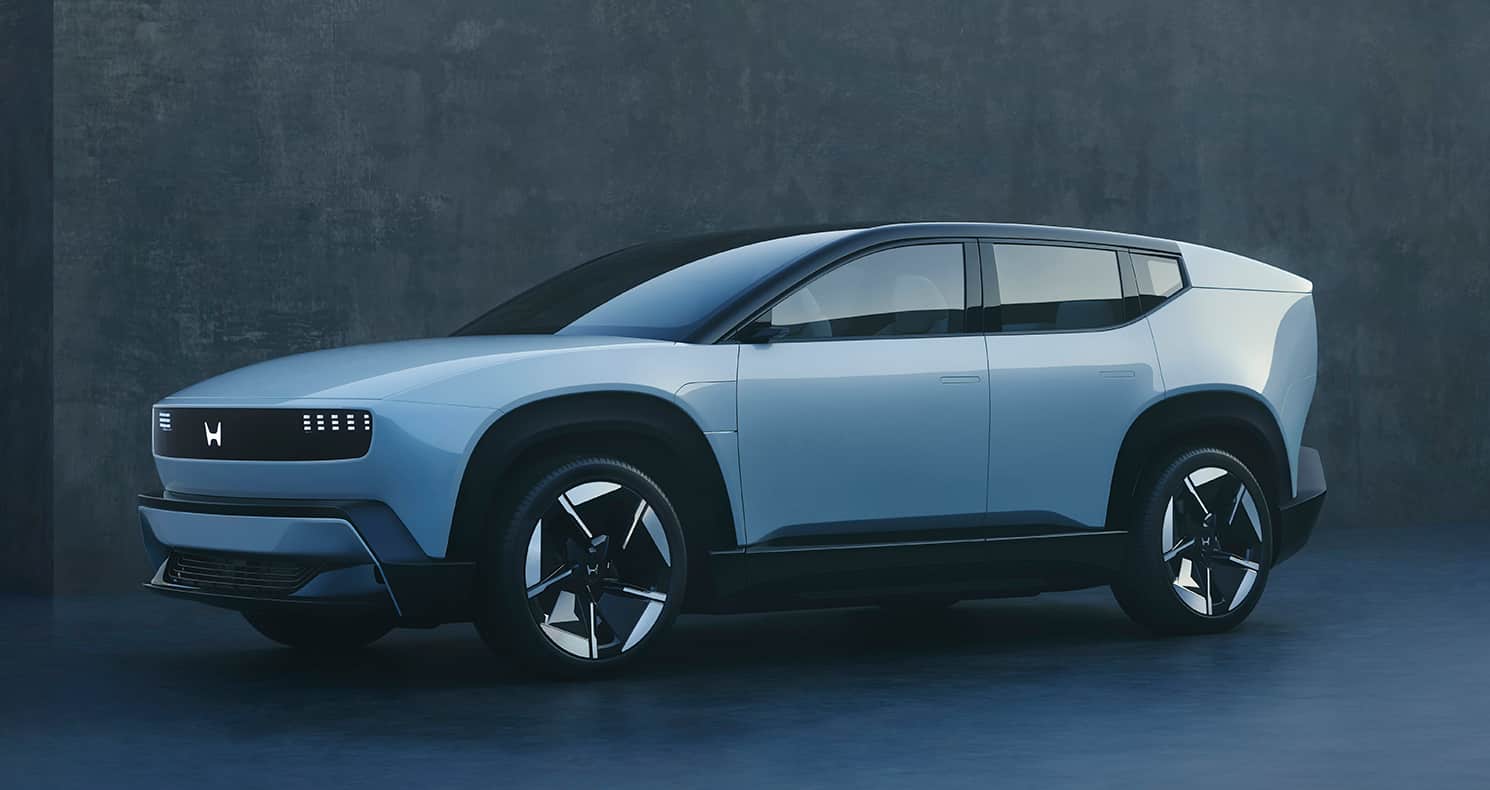
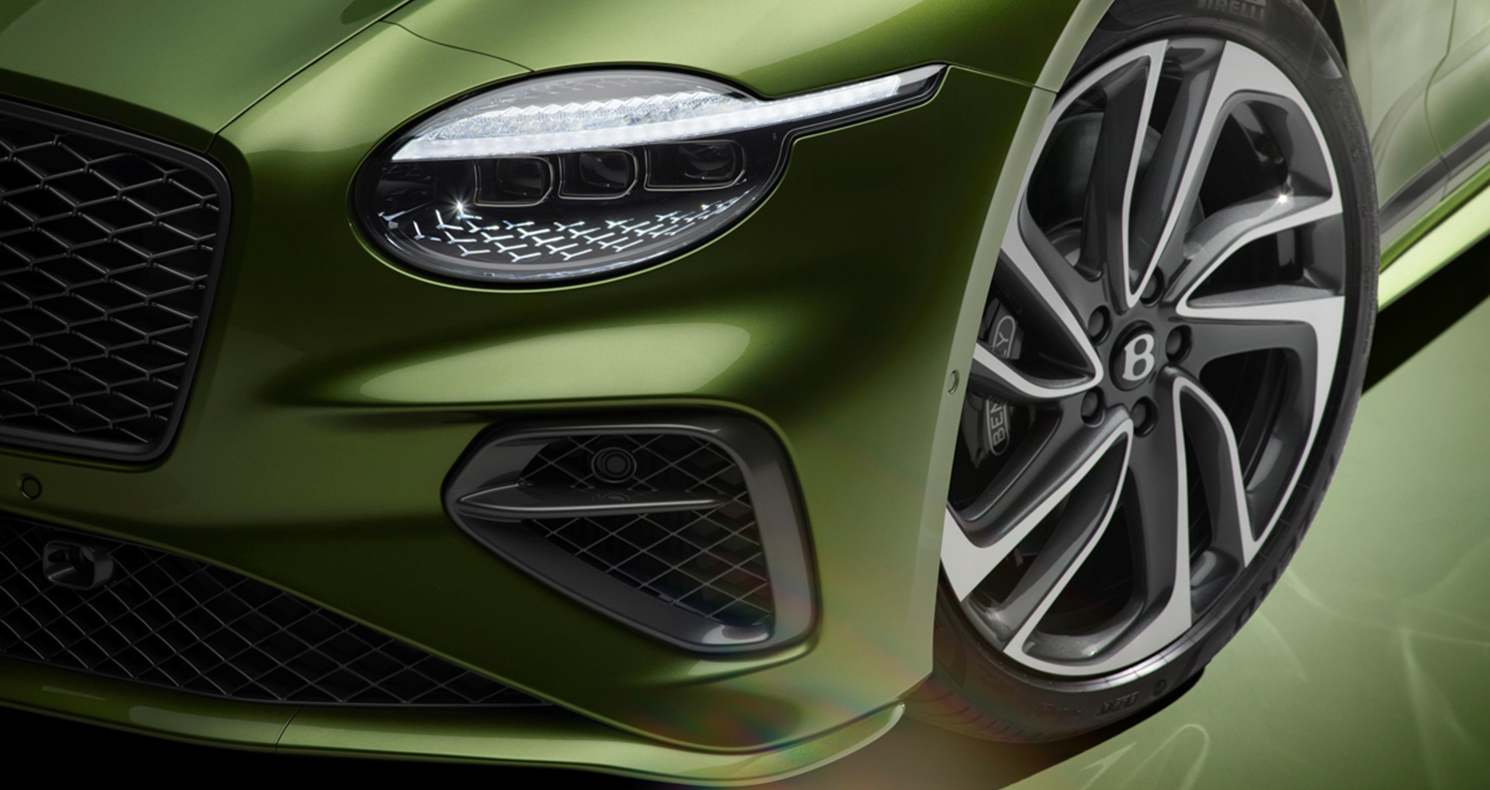
“On our short to midterm strategy, it’s clear hybrid is right, but we will balance [our] portfolio by offering a fully electric car. What I’m very happy about is 20-25 per cent of the market is already electric. And we see a movement, and all our luxury competitors will soon have an electric car on offer. It would be a mistake to not offer one,” said Walliser.
Another mistake would be to abandon those who still demand petrol power too, says the Bentley boss. Declaring that so long as there is demand and the small British car-maker can keep homologating them, V8s will remain part of the Bentley offering.
Balancing the future of mobility
The automotive industry is at a crossroads, with many manufacturers grappling with the challenges of transitioning to electric vehicles while still catering to traditional markets. Walliser’s comments highlight the need for a balanced approach, where innovation meets consumer preferences.
While the push towards electrification is undeniable, the reality is that not all consumers are ready to make the switch. This creates a dilemma for automakers, who must navigate between sustainability goals and market demands.
Bentley’s strategy reflects this balance. By embracing hybrid technology in the short to medium term, the company aims to meet current consumer needs while preparing for a future dominated by electric vehicles. However, the decision to also introduce a fully electric model underscores the company’s commitment to staying relevant in a rapidly evolving market.
Moreover, the continued availability of V8 engines highlights the importance of maintaining a diverse product portfolio. For some customers, the allure of petrol-powered vehicles remains strong, and companies like Bentley are keen to ensure that these preferences are not overlooked.
As the automotive landscape continues to shift, the lessons learned from past missteps will undoubtedly shape future strategies. The challenge lies in finding the right mix of innovation, sustainability, and customer satisfaction.
With the global automotive industry facing significant financial and strategic hurdles, the path forward requires careful planning, adaptability, and a deep understanding of consumer behavior. The decisions made today will have lasting implications for the industry’s future.